
Written by: Matt Beucler, CEO, Plura AI
Key Takeaways
- Lead qualification must balance speed, compliance, and cross-channel memory to convert high-volume inbound leads in regulated industries.
- Traditional frameworks like BANT, CHAMP, and MEDDIC still work but need updates for 2026 buying committees and real-time execution.
- AI real-time qualification and compliance-first layers outperform manual scoring by delivering sub-five-second decisions while supporting TCPA, DNC, and HIPAA-aligned workflows.1
- Product Qualified Leads (PQLs) and advanced lead scoring deliver higher conversion rates when tied to automated routing and time-decay weighting.
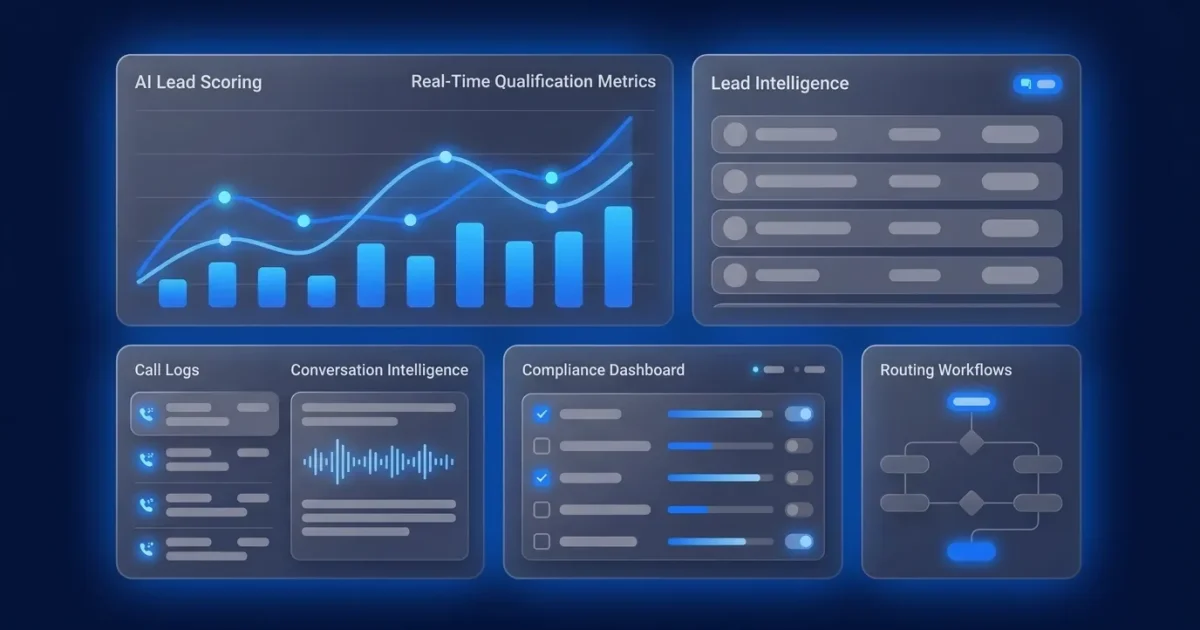
- Plura AI delivers a platform that qualifies leads in under five seconds across voice, SMS, and RCS on 100% U.S. infrastructure, see how it works live.
How These Lead Qualification Frameworks Compare
| Framework | Speed | Compliance Coverage | Cross-Channel Memory | Best Use Case |
|---|---|---|---|---|
| BANT | Manual (hours) | None built in | None | High-volume transactional SMB |
| CHAMP | Manual (hours) | None built in | None | Consultative inbound, mid-market |
| MEDDIC | Manual (days) | None built in | None | Complex enterprise, large buying committees |
| PQL | Triggered (minutes) | None built in | Product usage only | Product-led growth, freemium SaaS |
| Lead Scoring | Batch (minutes to hours) | None built in | Single-channel CRM | Marketing automation, MQL routing |
| AI Real-Time | Under 5 seconds | Partial (platform-dependent) | Cross-channel stateful | High-volume voice, SMS, RCS outreach |
| Compliance-First | Under 5 seconds | TCPA, DNC, HIPAA, 50+ state rules1 | Cross-channel stateful | Regulated verticals: healthcare, insurance, legal, finance |
Download the lead qualification checklist from Plura’s resource library.
BANT for Fast, Transactional Qualification
BANT (Budget, Authority, Need, Timeline) was created by IBM in the mid-20th century4 as a four-factor screen for whether a lead is worth pursuing. In 2026, teams get more value from BANT as a weighted scorecard than as a simple yes or no gate. Need usually carries the highest weight because a prospect with urgent pain often finds budget and compresses timelines.
Scenario: A Medicare insurance contact center receives 800 inbound form fills during the Annual Enrollment Period. The team applies a BANT scorecard:
- Need is scored first. Prospects without a coverage gap are recycled immediately.
- Authority is mapped to the policyholder or their authorized representative.
- Budget is assessed as plan affordability relative to the prospect’s stated income band.
- Timeline is tied to the AEP close date as the compelling event.
Leads scoring 9 or above on a 12-point scale route to licensed agents. Leads scoring 5 to 8 enter a nurture sequence. Leads below 5 are recycled. Gartner research from 2023–2024 states the average B2B purchase involves 6 to 10 decision-makers4, so classic single-buyer BANT no longer fits complex deals without adaptation.
CHAMP for Consultative Inbound Conversations
CHAMP (Challenges, Authority, Money, Prioritization) was coined by Zorian Rotenberg in 2007 as a consultative alternative to BANT. The framework starts with the prospect’s business challenges before budget, which matches how modern B2B buyers self-educate before they talk to sales.
Scenario: A legal marketing firm running mass-tort intake uses CHAMP on inbound web leads:
- Challenges: The AI agent asks about the claimant’s injury type and timeline to establish case viability before any budget discussion.
- Authority: The agent confirms whether the claimant is the injured party or an authorized representative.
- Money: Case value is estimated against the firm’s minimum threshold.
- Prioritization: The agent asks whether the claimant has retained other counsel, which establishes urgency.
CHAMP produces 20 to 30% higher first-call qualification rates than BANT for consultative sales motions.3 It fits SMB-to-mid-market deals with short-to-medium sales cycles where discovery happens in depth.
MEDDIC for Complex Enterprise Deals
MEDDIC (Metrics, Economic Buyer, Decision Criteria, Decision Process, Identify Pain, Champion) suits high-complexity enterprise sales. It forces teams to quantify outcomes, locate economic authority, and develop an internal champion before they advance an opportunity.
Scenario: A healthcare technology vendor selling an AI-powered patient engagement platform to a regional hospital system uses MEDDIC across a 90-day sales cycle:
- Metrics: The team quantifies the hospital’s current no-show rate and calculates the revenue impact of reducing it.
- Economic Buyer: The VP of Patient Experience is identified as the budget holder, not the IT director who initiated contact.
- Decision Criteria: The procurement team requires HIPAA alignment, SOC 2 certification, and EHR integration.1
- Decision Process: A three-stage committee review is mapped with dates and stakeholders.
- Identify Pain: Patient no-show rates are costing the system an estimated $2.4 million annually.
- Champion: A department director who has already piloted the tool advocates internally.
MEDDIC is the right fit when deal size, buying committee size, and sales cycle length make lighter frameworks insufficient.
PQLs for Product-Led Growth Motions
A Product Qualified Lead (PQL) is a prospect who has already experienced value through actual product usage, typically in a free trial or freemium model. PQLs convert at 5 to 6 times the rate of marketing qualified leads3 because the product has already demonstrated value before any sales conversation.
Scenario: A SaaS platform offering AI webchat for home services operators uses PQL signals to route trial users:
- A prospect activates a free trial and connects their first phone number within 48 hours.
- The system detects that the user has configured three conversation workflows, a PQL threshold the team defined as indicating genuine intent.
- The lead is automatically routed to an account executive with a full usage transcript attached.
- The AE opens the call with specific reference to the workflows the prospect built, which shortens discovery by two steps.
PQLs convert to paying customers at 20-30% (or up to 39%), while MQLs convert to SQLs at approximately 13%. This framework primarily supports product-led growth motions rather than outbound-heavy sales teams.
Lead Scoring for Scaled Routing and SLAs
Lead scoring assigns numeric values to prospect attributes and behaviors, then combines them into a score that drives routing, SLAs, and follow-up sequences. Companies that excel in lead scoring see a 77% boost in lead generation ROI compared to competitors.3
Scenario: A franchise network with 40 locations running paid search for home services uses a scoring model to triage inbound form fills:
- Fit signals are scored: service area match (+20), homeowner status (+15), property value above threshold (+10).
- Intent signals are scored: pricing page visit (+25), repeat session within 24 hours (+15), form fill mentioning specific service (+10).
- Leads scoring 80 or above trigger an instant call task with a sub-5-minute SLA.
- Leads scoring 60 to 79 enter a personalized SMS sequence within four hours.
- Leads below 40 are suppressed or archived.
Best practice is to connect scoring to routing, SLAs, and automated follow-up inside the CRM so score changes trigger immediate action. Scores should carry time-decay weights, such as pricing page visits decaying after 14 days and email replies after 7 days, to keep stale leads out of hot lists.
AI Real-Time Qualification for Live Conversations
Traditional lead scoring operates in batch cycles, so minutes or hours can pass between a prospect action and your response. AI real-time qualification replaces that lag with enrichment and scoring that happens during the conversation itself, before a human agent picks up the phone. Organizations deploying AI for speed to lead see response times drop from hours to seconds and connection rates increase by 3 to 5 times.3
Scenario: A solar installation company receives 300 inbound web leads per week and uses AI SMS to qualify each one in real time:
- A lead submits a form. The AI agent sends a text within five seconds, referencing the prospect’s property address and estimated roof size pulled from real-time data enrichment across 30-plus sources.
- The AI asks three qualification questions: homeownership status, average monthly utility bill, and whether the prospect has received a solar quote in the past 90 days.
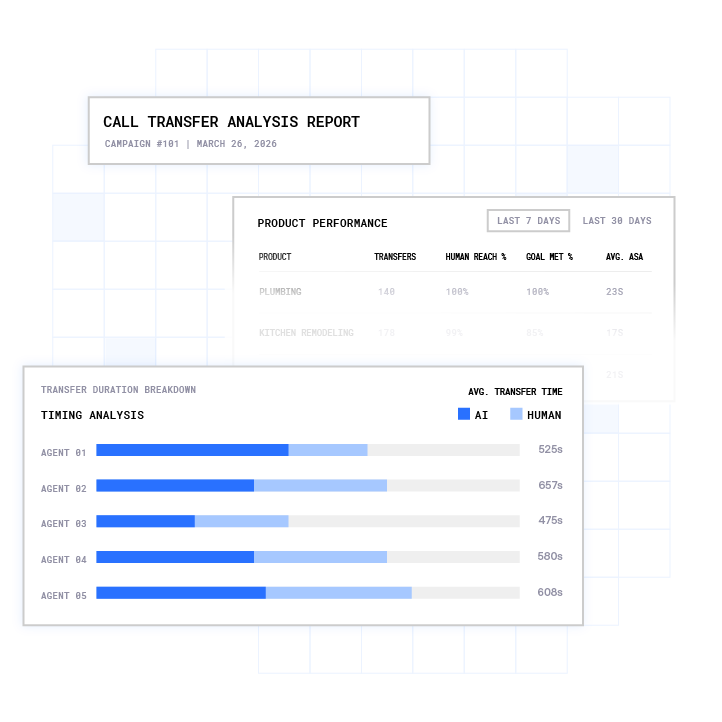
- Qualified leads are scored and a warm voice transfer is initiated to a licensed sales rep, with full conversation context attached.
- Unqualified leads are tagged and routed to a long-term nurture sequence.
The same stateful conversation database that handled the SMS thread is available when the voice call connects, so the rep does not ask the prospect to repeat themselves. A solar company using this approach increased conversion rates from 6% to 18% with the same leads and offer.3 Every mention of speed to lead in this context maps directly to the platform’s sub-five-second response architecture.2
Compliance-First Qualification for Regulated Verticals
Compliance-first qualification treats regulatory guardrails as a pre-condition of the qualification workflow, not an afterthought. In regulated verticals, a lead that cannot be contacted under applicable rules does not function as a lead.
Scenario: A financial services contact center running outbound SMS and voice campaigns for loan follow-up applies a compliance-first qualification layer:
- Every number is checked against the National Do Not Call Registry and applicable state DNC lists before the first contact attempt.
- The Reassigned Numbers Database is queried to confirm the number has not been reassigned to a new subscriber who never consented.
- Quiet-hours rules enforce automatically based on the contact’s time zone, restricting outreach to the windows described under TCPA (47 U.S.C. § 227) and applicable state statutes.
- Consent records are timestamped and stored in an immutable ledger before any outbound contact is initiated.
- Leads that pass all compliance gates are scored and routed. Leads that fail any gate are blocked and flagged for review.
The regulatory environment around this workflow continues to tighten. The FCC’s Notice of Proposed Rulemaking (CG Docket No. 26-52) describes proposed limits on offshore customer-service calls and offshore handling of sensitive consumer data. Companion legislation including the Keep Call Centers in America Act (S.2495) and the Foreign Robocall Elimination Act (S.2666) would extend the federal regulatory perimeter. State laws in New York, New Jersey, Connecticut, Missouri, and Florida already describe restrictions on offshore handling of medical, financial, and consumer data. Operators running qualification workflows on offshore infrastructure or through vendors without U.S.-only data handling should consult qualified counsel on their exposure under these frameworks.
People Also Ask
What is the best lead qualification framework for high-volume contact centers?
No single framework fits every environment. BANT works for high-volume transactional flows where budget, authority, need, and timeline can be assessed quickly. CHAMP fits consultative inbound where the prospect’s challenge should be established before budget. MEDDIC supports complex enterprise deals with large buying committees and long cycles. For contact centers running thousands of interactions per day, AI real-time qualification combined with a compliance-first layer is often the most practical approach because it removes manual bottlenecks and applies regulatory guardrails before any human agent is involved.
How does AI lead qualification differ from traditional lead scoring?
Traditional lead scoring assigns points to historical attributes and behaviors in batch cycles, so a lag of minutes to hours often exists between a lead’s action and a score update. AI real-time qualification enriches and scores the lead during the live conversation, pulling from 30-plus data sources while the AI agent actively engages the prospect. The result is a qualification decision that reflects the current moment of contact rather than data that may be hours old. AI qualification also operates across voice, SMS, and RCS simultaneously with shared memory across channels, which batch scoring models do not support.
What compliance considerations apply to automated lead qualification via SMS and voice?
Automated lead qualification via SMS and voice in the United States operates within frameworks such as the Telephone Consumer Protection Act (TCPA, 47 U.S.C. § 227), which addresses topics including prior express written consent, calling-hour restrictions, and DNC list scrubbing practices.2 Public FCC materials in 2025 describe an expanded view of autodialer that includes some AI-generated voice systems and certain texting platforms. TCPA-related litigation often involves statutory damages of $500 to $1,500 per call or text, as described in the statute. State laws including Florida’s Mini-TCPA describe additional restrictions. Operators in healthcare verticals should also consider HIPAA-aligned data handling expectations for any protected health information collected during qualification. Consult qualified legal counsel to assess specific obligations under these frameworks.
How fast should a lead be contacted after form submission?
Harvard Business Review research found that companies responding within five minutes are 100 times more likely to connect with a prospect than those waiting 30 minutes.4 A 2026 Blazeo benchmark survey of 573 companies found that 81.2% of companies responding in over one hour report losing leads to faster competitors. The practical standard in 2026 is under five minutes, with sub-60-second response producing the highest conversion lift. As noted earlier, AI agents that respond in under five seconds sit at the current ceiling of what is operationally achievable.
What is a product qualified lead (PQL) and when should it replace an MQL?
A PQL is a prospect who has demonstrated buying intent through actual product usage, typically during a free trial or freemium experience, rather than through marketing engagement signals alone. PQLs are most relevant for product-led growth companies where the product itself functions as the primary acquisition channel. They do not fully replace MQLs in outbound-heavy or high-volume voice and SMS programs, where leads arrive before any product interaction. In those environments, AI real-time qualification and compliance-first frameworks usually fit better than PQL models.
Turn Lead Qualification into an Automated, Audit-Ready System
The seven frameworks above each solve part of the qualification problem, but they share a gap in execution speed and compliance coverage at scale. The industry standard for first contact on an inbound lead is 47-plus hours, while the data consistently shows that qualification odds are 21 times higher when a lead is called within 5 minutes versus 30 minutes.
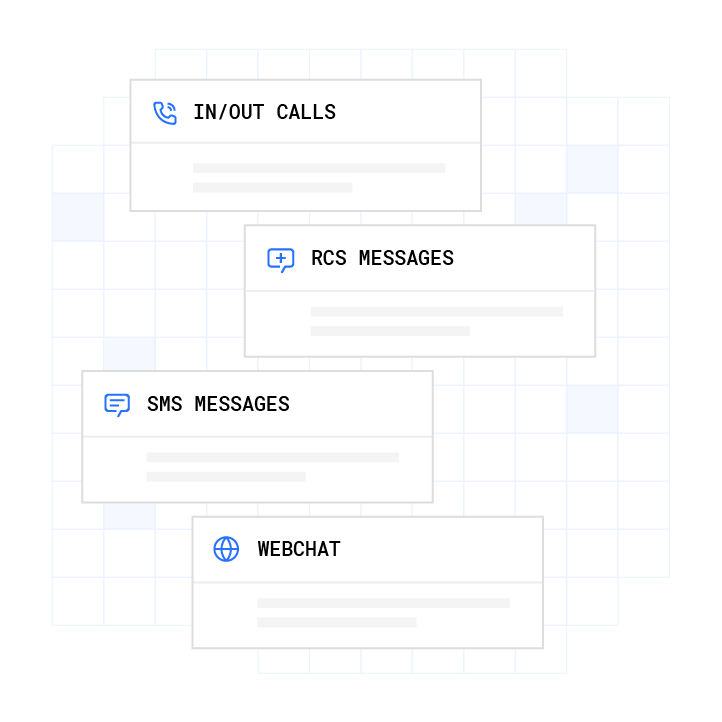
Plura AI is built to close that gap. The platform contacts leads in under five seconds across voice, SMS, and RCS, with a Stateful Conversation Database that holds full context across every channel. An AI agent that texted a lead at 9 a.m. picks up the voice call at noon already knowing what was said, what was offered, and what objections were raised. No other category of platform preserves that context across channels by default.
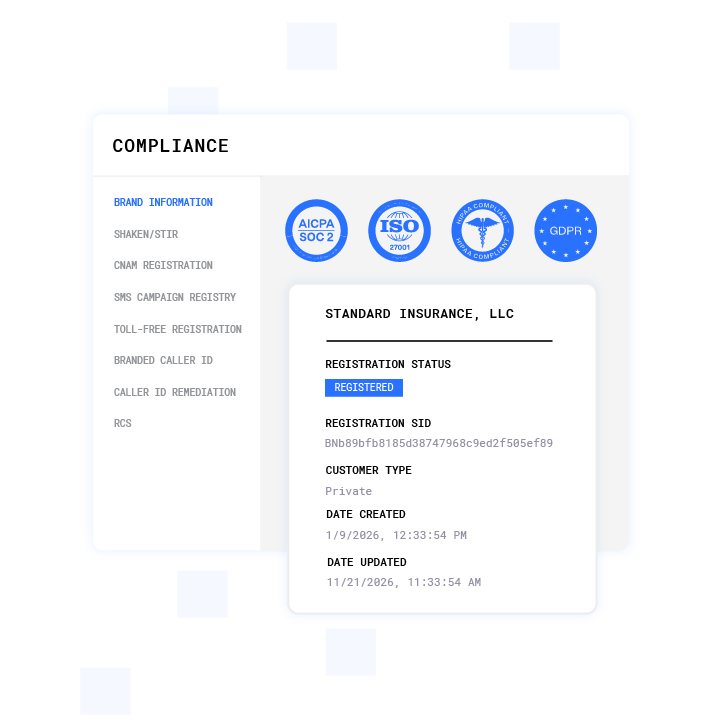
The compliance layer sits inside the core workflow. Every outbound contact is checked against federal and state DNC registries in real time before dial. Consent records are timestamped and immutable. Quiet-hours rules enforce automatically through time-zone detection. HIPAA-aligned encryption, SOC 2 certification, and SHAKEN/STIR caller ID verification are implemented in the carrier stack, not added later.1 Plura runs on 100% U.S. infrastructure by architecture, so it supports compliance with onshoring expectations described in the FCC NPRM (CG Docket No. 26-52) and applicable state laws.
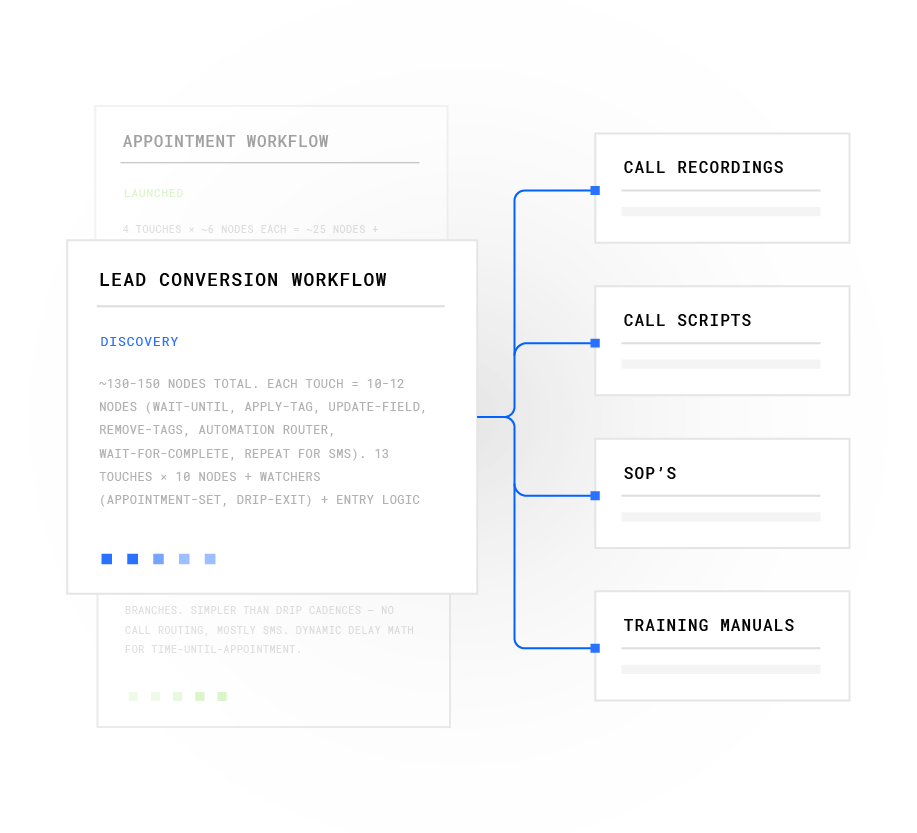
The operational results reported across Plura deployments include 47% average pipeline growth, 90% faster lead qualification response time, and 3x average ROI in 90 days.3 A legal marketing firm using Plura’s AI Conversation Intelligence found 23% of engaged leads lacked sufficient case value, adjusted qualification criteria, and reduced wasted attorney time by 31%. Plura’s Business Intelligence surfaces those patterns automatically, so qualification criteria improve with every campaign cycle instead of staying static.
For operators in regulated verticals running high-volume voice and AI SMS programs, the core decision is not which framework to use in isolation. The decision is whether the system executing that framework can deliver instant qualification, remember every prior touchpoint, and stay audit-ready on every contact. That is what Plura is built to do.
Run your numbers through Plura’s ROI calculator to check your cost savings in real time.
Compare plans and rates at Plura pricing.
Book a live demo with Plura to see real-time, cross-channel lead qualification in action.
1 Plura AI maintains SOC 2, HIPAA, ISO, and GDPR posture as part of its platform infrastructure. References to compliance frameworks in this article describe Plura’s platform capabilities and do not constitute a guarantee that any customer using Plura will themselves be compliant with applicable laws or standards. Customers remain solely responsible for their own regulatory obligations, certifications, consent management, recordkeeping, and the claims they make to their own end users. Consult qualified legal counsel for guidance specific to your use case.
2 This article describes regulatory frameworks at a general level and does not constitute legal advice. Laws and regulations vary by jurisdiction, change over time, and apply differently depending on facts and circumstances. Readers should consult qualified legal counsel before making compliance decisions.
3 Performance figures, customer outcomes, and industry statistics referenced in this article are drawn from cited third-party sources or Plura customer case studies. Individual results vary based on implementation, use case, industry, audience, and execution. Past or aggregate performance is not a guarantee of future results.
4 References to third-party products, services, companies, or research are made for informational and comparative purposes only. Plura AI is not affiliated with, endorsed by, or sponsored by any third party named in this article unless explicitly stated. Trademarks and product names referenced remain the property of their respective owners.
This article is provided for informational purposes only and reflects Plura AI’s understanding at the time of publication. Product capabilities, integrations, and specifications are subject to change. For the most current information, visit plura.ai.
This article was produced with the assistance of AI tools and reviewed by Plura AI prior to publication.