
Written by: Matt Beucler, CEO, Plura AI
Key Takeaways for 2026 Lead Qualification
- Traditional frameworks like BANT, CHAMP, and MEDDIC now need real-time data and AI support instead of manual scoring alone.
- AI-driven qualification can analyze more than 20 data sources in under a minute, which reduces cost per qualified lead while supporting compliance with SOC 2, HIPAA, ISO, GDPR, SHAKEN/STIR, TCPA, and DNC frameworks.1,2
- A two-stage hybrid model that uses BANT or CHAMP for fast top-of-funnel triage, then MEDDIC for deeper pipeline qualification, works well for high-volume teams.
- Plura AI’s stateful conversation database keeps context across AI SMS, voice, RCS, and webchat, so prospects avoid repeat questions and response times stay low.
- Teams that want to automate qualification at scale can book a live demo with Plura AI to see the hybrid model on their own lead types.
Why 2026 Sales Teams Need Updated Qualification Frameworks
Static checklists built for human SDRs alone cannot keep up with AI-powered sales volume and speed. Aberdeen Group research shows a mature qualification process can deliver higher conversion rates and lower cost per lead.3,4 Yet Salesforce data indicates that 79% of marketing leads never convert to a sale.3,4 At the same time, the median B2B lead response time is 42 hours, and only 7% of companies respond within five minutes,3 even though an MIT/InsideSales benchmark found qualification odds are 21 times higher at five minutes than at 30 minutes.3
The gap between legacy frameworks and AI motions is structural. Manual BANT scoring demands significant time per lead across multiple data sources. AI-driven qualification can analyze more than 20 data sources in under 60 seconds, which allows scoring at capture instead of after a rep opens the record.
Plura AI’s business intelligence layer treats every interaction as a data point. It scores leads before calls through AI Lead Intelligence and learns from conversations through AI Conversation Intelligence. The execution layer is a stateful conversation database shared across AI SMS, AI voice agent, RCS, and AI webchat channels.
Run your numbers through Plura’s calculator to check your ROI in real time.
10-Point Lead Qualification Checklist Before Every Contact
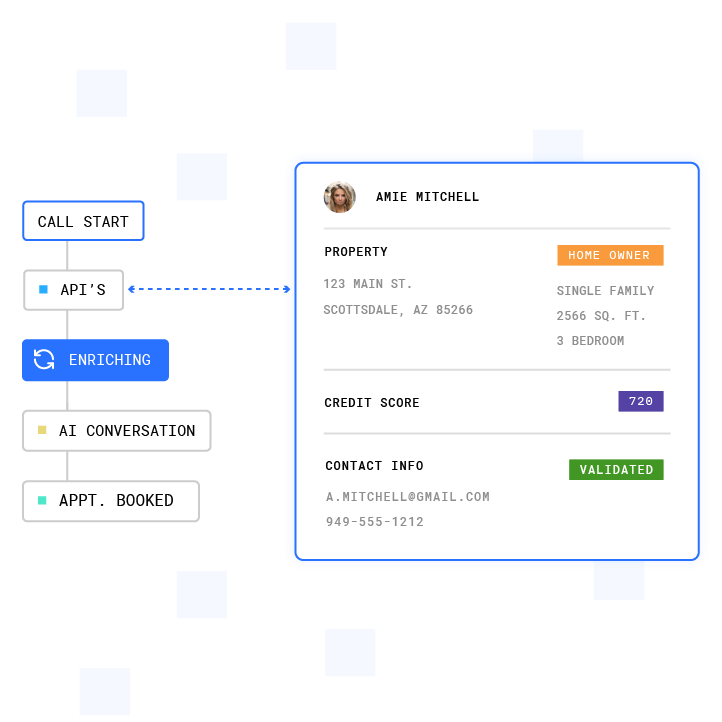
A pre-contact checklist keeps triage consistent before any AI agent or human rep spends time on a lead. Plura’s AI Lead Intelligence enriches leads with more than 50 data sources in real time during the conversation and can cover each point automatically.
- ICP fit: Confirm the firmographic profile matches your ideal customer profile on industry, company size, and geography.
- Intent signals: Check whether the lead visited pricing pages, requested a demo, or engaged with high-intent content.
- Authority: Identify whether the contact is a decision-maker, influencer, or gatekeeper.
- Pain: Document a business problem that your solution addresses.
- Budget range: Assess whether the account’s size and spend profile suggest budget alignment.
- Timeline: Confirm whether an active project or critical event is driving urgency.
- Decision process: Map how many stakeholders are involved and what the approval path looks like.
- Compliance flags: Verify DNC status, TCPA consent, and quiet-hours rules before first contact.
- Enrichment completeness: Ensure primary fields such as company size, industry, title, and verified contact meet the 85% fill threshold needed for accurate scoring.
- Disqualification criteria: Check whether the lead falls outside company size range, geography, or other hard-stop ICP criteria.
Solar Lead Workflow: A Practical Qualification Example
A solar operator receives a form submission. Plura’s AI Lead Intelligence immediately enriches the record across more than 50 sources, pulling property data, homeownership status, estimated utility spend, and contact verification. Within seconds, an AI SMS agent opens a qualification conversation and works through budget range, timeline, and decision authority without a human rep.
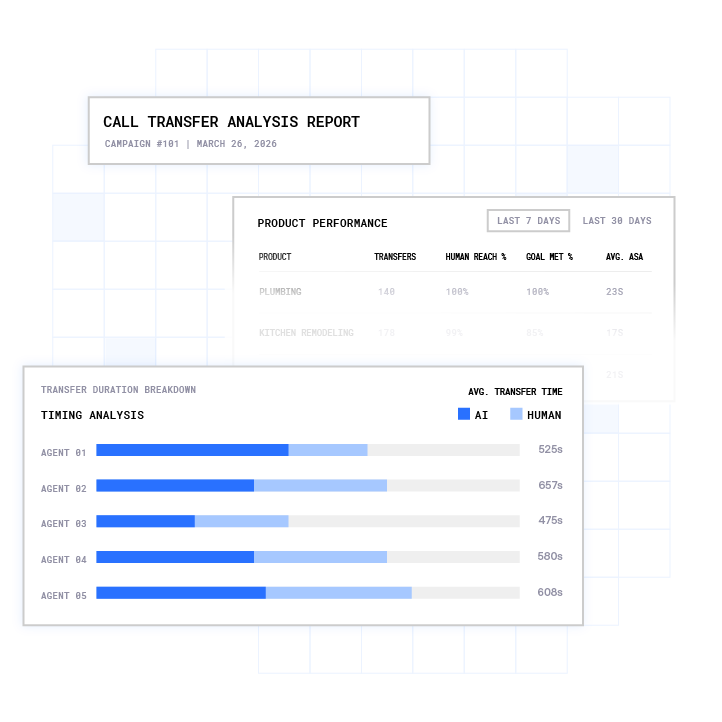
Leads that pass qualification criteria move to a live transfer with a licensed sales rep. Leads that fail route into a nurture sequence. Plura’s Business Intelligence dashboard surfaces a 59.3% average disqualification rate across solar financing requests, with Wednesday at 71% and Friday at 33%. That data guides when to shift lender partners and when to scale ad spend. To choose the right framework for patterns like this, it helps to compare the major models side by side.
Decision Matrix: Six Lead Qualification Frameworks Compared
| Framework | Best-fit sales cycle | Deal complexity | 2026 AI adaptation |
|---|---|---|---|
| BANT | Under 30 days, under $25K ACV | Low: 1-3 stakeholders | AI populates Budget, Need, and Timeline from enrichment before first contact |
| CHAMP | 30-90 days, $25K-$100K ACV | Medium: consultative, fluid budget | AI opens with Challenges before budget |
| MEDDIC | 90+ days, $50K+ ACV | High: 5+ stakeholders, formal procurement | AI maps Economic Buyer and Champion via conversation intelligence |
| ANUM | Under 30 days, SMB transactional | Low: authority-first triage | AI verifies Authority and Need from firmographic enrichment in real time |
| GPCTBA/C&I | 30-60 days, inbound-led | Medium: goal-anchored discovery | AI captures Goals and Plans from behavioral signals before the discovery call |
| SPICED | SaaS/subscription, renewal-focused | Medium-high: outcome and expansion | AI tracks Critical Event and Impact signals across the customer lifecycle |
How Each Lead Qualification Framework Works in Practice
BANT (Budget, Authority, Need, Timeline): Developed by IBM, BANT is a fast framework for transactional deals under $25K with short cycles. It works well when teams need quick yes-or-no decisions on first conversations. Its limitation in AI motions is the assumption that a fixed budget already exists, which can exclude early-stage buyers who could be developed. Plura pre-populates Budget, Need, and Timeline from enrichment data before the first AI SMS touch, so reps receive pre-scored leads instead of blank records.
CHAMP (Challenges, Authority, Money, Prioritization): CHAMP leads with the buyer’s Challenges before budget, which makes it less interrogative and better for consultative outbound motions. Prioritization is harder to assess without a live conversation. Plura’s conversational AI captures competing initiatives during the qualification SMS thread and surfaces Prioritization signals before the rep call.
MEDDIC (Metrics, Economic Buyer, Decision Criteria, Decision Process, Identify Pain, Champion): MEDDIC is the standard for enterprise deals above $50K. It is powerful but resource-intensive and slow at top-of-funnel scale. Plura applies MEDDIC-depth qualification after AI Conversation Intelligence confirms a Champion and quantified Metrics, so teams reserve the framework for pipeline-stage deals.
ANUM (Authority, Need, Urgency, Money): ANUM reorders BANT to check Authority first. This structure fits SMB and transactional motions where reaching the right person is the main triage challenge. AI enrichment verifies job title and org-chart position before the first contact attempt, which reduces wasted outreach to non-decision-makers.
GPCTBA/C&I (Goals, Plans, Challenges, Timeline, Budget, Authority, Consequences, Implications): HubSpot introduced GPCTBA/C&I for inbound teams. It anchors discovery on buyer outcomes before treating budget as a gate. Teams often use it as a conversation guide instead of a rigid form. Plura’s AI captures Goals and Plans from behavioral signals such as pricing-page visits and demo requests before the discovery call.
SPICED (Situation, Pain, Impact, Critical Event, Decision): Winning by Design created SPICED for SaaS and subscription revenue models. It connects qualification to long-term customer outcomes. The Critical Event component ties action to a specific date or business milestone, which creates urgency. Plura tracks Critical Event signals across the customer lifecycle through its stateful conversation database. While each framework has clear strengths, most high-volume teams see a mix of deal sizes and complexity levels at once, so a hybrid approach works better.
Two-Stage Hybrid Model for AI-Driven Qualification
The hybrid BANT-plus-MEDDIC configuration is the model many enterprise teams use today and can lift win rates on deals above $50K. Plura automates both stages so reps focus on conversations instead of manual scoring.
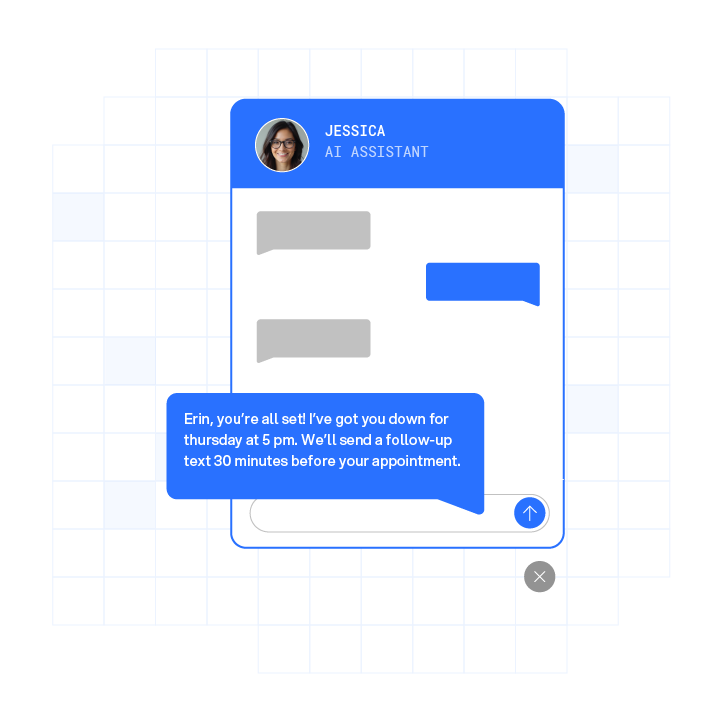
Stage 1 – Top-of-funnel triage: Plura’s AI SMS and AI voice agents apply BANT or CHAMP criteria at the moment of lead capture. Enrichment from more than 50 sources pre-populates Budget, Need, and Timeline before any conversation starts. Leads that fail hard-stop ICP criteria are disqualified automatically. Leads that pass receive a score and route to Stage 2.
Stage 2 – Pipeline qualification (MEDDIC-depth): After AI Conversation Intelligence confirms a Champion and quantified Metrics, the deal moves into MEDDIC-style depth. The stateful conversation database carries full context from Stage 1 into Stage 2, so reps avoid repeating questions the AI already covered.
Book a live demo with Plura to see the two-stage hybrid model running on your lead type.
Implementation Checklists for Revenue and Contact Center Teams
7-Day Rollout:
- Define ICP criteria with measurable signals such as company size bands, industry classification, role, and geography.
- Once ICP criteria are clear, set hard disqualification rules that reject leads outside those parameters, including company size outside target range, competitor employees, and geography exclusions.
- Before any outbound contact begins, configure real-time DNC scrubbing and TCPA consent logging inside Plura’s compliance engine.
- Connect your CRM through Plura’s integrations layer, including HubSpot, Salesforce, or Zoho.
- Build the Stage 1 qualification workflow on Plura’s no-code workflow builder canvas.
- Set an MQL threshold score, such as 60 to 80 points on a weighted model.
- Pilot the workflow on one lead source segment before full deployment.
30-Day Optimization:
- Review disqualification rate by day and source. A high disqualification rate can indicate tight ICP targeting.
- Inspect MQL-to-SQL conversion by channel. Low conversion rates may indicate unfit leads passed by marketing.
- Add rejection reason codes to every disqualified lead for closed-loop feedback.
- Adjust Stage 1 scoring weights based on closed-won versus closed-lost patterns from Plura’s business intelligence dashboard.
- Verify enrichment fill rate stays above 85% on primary fields.
Quarterly Governance:
- Audit ICP criteria against actual closed-won CRM data and update criteria that no longer predict closes.
- Review TCPA consent records and DNC scrubbing logs to support audit readiness.
- Validate 99.9% uptime SLA performance and automatic failover logs.
- Align marketing and sales SQL definitions. Gartner found 49% of CSOs report their sales and marketing teams define a qualified lead differently.4
- Update SHAKEN/STIR caller ID verification settings and quiet-hours rules for any new state campaigns.
AI Platforms That Power Lead Qualification Frameworks
The modern qualification stack layers enrichment and intent signals into predictive scoring, then feeds conversational qualification, routing, and closed-loop reporting.
Plura’s stateful conversation database acts as the execution layer for this stack. Every lead is enriched across more than 50 sources in real time during the conversation, not in a downstream batch job. Plura can reduce cost per qualified lead compared to manual scoring operations. That reduction comes from three compounding factors:
- Faster lead-response time, with first AI contact under 60 seconds versus an industry median of 42 hours.
- Automated disqualification of leads that fail ICP criteria before any human rep time is spent.
- Stateful memory across AI SMS, AI voice agent, RCS, and AI webchat channels, which removes the need to re-qualify on every touchpoint.
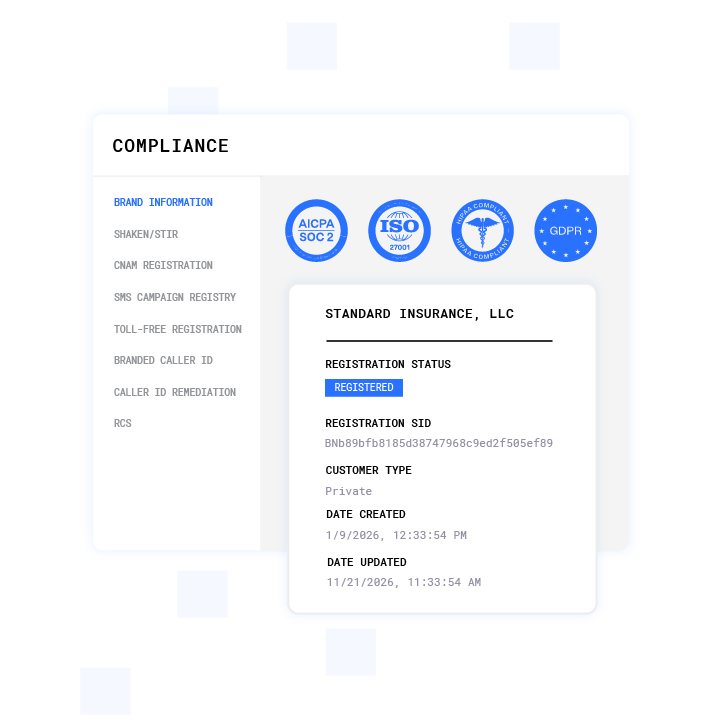
Plura delivers 3x average ROI in 90 days and 47% average pipeline growth for high-volume operators.3 The platform supports compliance with SOC 2, HIPAA, ISO certification, GDPR, SHAKEN/STIR caller ID verification, TCPA frameworks, and DNC frameworks.1,2 Customers remain responsible for their own regulatory obligations and the claims they make to end users. Plura provides infrastructure that supports those obligations.
Compare Plura plans and rates side by side at plura.ai/pricing.
Conclusion: Matching Frameworks to Your Sales Motion
The right lead qualification framework depends on deal size, sales cycle length, and stakeholder count. BANT and CHAMP handle high-volume triage at speed. MEDDIC supports pipeline-stage enterprise deals with five or more stakeholders. The two-stage hybrid model automates both tiers. The data confirms what Aberdeen Group found: qualification maturity directly correlates with conversion performance and cost efficiency. Plura’s real-time AI lead intelligence executes that process at scale, which reduces cost per qualified lead and improves lead-response time compared with manual scoring.
Run your numbers through Plura’s calculator to check your ROI in real time.
Compare plans at plura.ai/pricing.
Frequently Asked Questions
What is the difference between BANT and MEDDIC for lead qualification?
BANT (Budget, Authority, Need, Timeline) is a fast, four-point framework suited to transactional deals under $25K with short sales cycles and one to three decision-makers. It answers whether a lead is worth a first conversation. MEDDIC (Metrics, Economic Buyer, Decision Criteria, Decision Process, Identify Pain, Champion) is a six-point framework built for enterprise deals above $50K with formal procurement, multi-stakeholder buying committees, and sales cycles measured in months. It answers whether a deal is likely to close and maps the full decision process. Many high-volume sales operations use BANT at the top of the funnel for speed-to-lead triage and switch to MEDDIC once an account executive owns the deal and a Champion has been identified inside the prospect organization.
How does Plura replace manual lead qualification scoring?
Plura’s AI Lead Intelligence enriches every lead across more than 50 data sources in real time during the first contact. It covers ICP fit, intent signals, authority, pain, budget range, and timeline before any human rep becomes involved. The enrichment runs during the AI SMS or AI voice conversation, not in a batch job afterward. Leads that pass qualification criteria are scored and routed to a live transfer or rep queue. Leads that fail hard-stop criteria are disqualified automatically, with reason codes logged for closed-loop feedback. The stateful conversation database carries full qualification context across every subsequent touchpoint, so reps avoid repeating questions the AI already answered. This approach replaces the manual research per lead that traditional SDR teams perform before a first call.
What compliance considerations apply to AI-powered lead qualification?
AI-powered lead qualification at scale often involves outbound voice and SMS contact, which intersects with TCPA frameworks, DNC frameworks, SHAKEN/STIR caller ID verification, and state-level quiet-hours rules. Plura’s platform includes real-time DNC scrubbing before every outbound contact, immutable TCPA consent logging, automated quiet-hours enforcement through time-zone detection, and SHAKEN/STIR authentication on every outbound voice call. The platform also supports SOC 2, HIPAA, ISO certification, and GDPR for operators that handle protected health information or operate in regulated verticals.1,2 Customers are responsible for their own regulatory obligations and should consult qualified counsel on how applicable laws apply to their specific operations. Plura provides infrastructure that supports those compliance workflows.
How do you select the right lead qualification framework for a high-volume AI sales motion?
Framework selection follows three variables: average deal size, sales cycle length, and number of stakeholders. For deals under $25K with cycles under 30 days and fewer than three stakeholders, BANT or ANUM provides enough structure without over-engineering the process. For mid-market consultative deals between $25K and $100K with fluid budgets, CHAMP leads with buyer challenges before addressing money. For enterprise deals above $50K with buying committees of five or more stakeholders and cycles longer than 90 days, MEDDIC or its expanded form MEDDPICC maps the full decision process. For SaaS and subscription motions focused on renewals and expansion, SPICED centers qualification on measurable business impact and critical events. High-volume AI motions typically run a two-stage hybrid that uses BANT or CHAMP at top-of-funnel triage and MEDDIC-depth qualification once AI Conversation Intelligence confirms a Champion and quantified Metrics in the pipeline.
What metrics should revenue-ops teams track to measure lead qualification effectiveness?
The core metrics for qualification effectiveness are MQL-to-SQL conversion rate, lead response time, disqualification rate with reason codes, lead-to-opportunity rate, win rate by score band, and cost per qualified lead. A healthy MQL-to-SQL conversion rate for B2B SaaS teams often exceeds the 13-15% median, with benchmarks for strong performers in the 18-22% range. A high disqualification rate can indicate tight ICP targeting. Lead response time under five minutes correlates with significantly higher close rates than responses taking 24 hours or longer. Cost per qualified lead is the summary metric that reflects the efficiency of the entire qualification stack. Plura’s business intelligence dashboard surfaces all of these metrics in real time, including day-of-week disqualification patterns that inform when to shift lender partners, adjust ad spend, or tighten pre-qualification criteria for specific lead sources.
1 Plura AI maintains SOC 2, HIPAA, ISO, and GDPR posture as part of its platform infrastructure. References to compliance frameworks in this article describe Plura’s platform capabilities and do not constitute a guarantee that any customer using Plura will themselves be compliant with applicable laws or standards. Customers remain solely responsible for their own regulatory obligations, certifications, consent management, recordkeeping, and the claims they make to their own end users. Consult qualified legal counsel for guidance specific to your use case.
2 This article describes regulatory frameworks at a general level and does not constitute legal advice. Laws and regulations vary by jurisdiction, change over time, and apply differently depending on facts and circumstances. Readers should consult qualified legal counsel before making compliance decisions.
3 Performance figures, customer outcomes, and industry statistics referenced in this article are drawn from cited third-party sources or Plura customer case studies. Individual results vary based on implementation, use case, industry, audience, and execution. Past or aggregate performance is not a guarantee of future results.
4 References to third-party products, services, companies, or research are made for informational and comparative purposes only. Plura AI is not affiliated with, endorsed by, or sponsored by any third party named in this article unless explicitly stated. Trademarks and product names referenced remain the property of their respective owners.
This article is provided for informational purposes only and reflects Plura AI’s understanding at the time of publication. Product capabilities, integrations, and specifications are subject to change. For the most current information, visit plura.ai.
This article was produced with the assistance of AI tools and reviewed by Plura AI prior to publication.