
Written by: Matt Beucler, CEO, Plura AI
Key Takeaways
- Branded caller ID replaces generic spam labels with a verified company name, logo, and call reason using STIR/SHAKEN at the carrier level.
- Answer rates can rise sharply when branding displays correctly, yet carrier and device fragmentation means roughly 30% of calls may not show branding.
- Pricing typically ranges from $0.06–$0.12 per call, and the effective cost per displayed call is higher because of inconsistent carrier support and device limits.
- Providers that own their FCC carrier infrastructure usually deliver more consistent results than resellers, with Plura AI issuing branded caller ID directly at the carrier level.
- Evaluate providers on carrier coverage, A-level attestation, pricing transparency, and compliance features, then see a live Plura AI demo to view native branded caller ID inside the AI Predictive Dialer.
Branded Caller ID in Plain Terms
Branded caller ID sends verified business identity directly to a recipient’s handset before they answer. The display can include your company name, logo, and a brief call reason, depending on the recipient’s carrier and device. A Pew Research Center survey of 10,211 U.S. adults found that 80% say they do not generally answer their cellphone when an unknown number calls. Branded caller ID addresses that problem at the carrier level.
The FCC has started to formalize this layer. The FCC proposes to require terminating providers to transmit verified caller name or other caller identity information for presentation on a consumer’s handset whenever they transmit an indication that a call has received an A-level attestation.2 That proposal, if finalized, would position carrier-level branded display as a compliance expectation rather than a purely competitive add-on.
How Branded Caller ID Actually Works
Branded caller ID runs at the carrier level. When you place a call, your originating service provider signs it with a STIR/SHAKEN digital certificate. This certificate carries an attestation level: A (Full), B (Partial), or C (Gateway). Only A-level attestation qualifies for branded display on most carrier programs. The receiving carrier then decides whether to render the branded information based on the recipient’s device, operating system, and network path.
Telnyx’s display matrix shows that Samsung, Motorola, and TCL Android devices support name, logo, and call reason on Android 14 or newer, while Apple iPhone XS and newer support name and logo on iOS 18.5 or newer but do not support call reason display. Unlocked and BYOD devices typically receive name-only display.
CNAM vs. branded caller ID: CNAM (Caller ID Name) is the legacy system that performs a best-effort database lookup when a call arrives. It is limited to 15 characters, frequently outdated, and inconsistently displayed across carriers. As First Orion explains, CNAM has no single source of truth, so a business name can display incorrectly depending on the carrier. Branded caller ID, by contrast, pushes verified rich call data directly to the handset. It supports up to 35 characters for the name per TransNexus and Twilio. Some providers, such as First Orion and CloudTalk, cite a 32-character limit.
Top Branded Caller ID Solutions Compared
The branded caller ID market has consolidated around a few major players. The comparison below focuses on what matters for high-volume outbound operations: carrier coverage, pricing transparency, and whether the provider owns its carrier infrastructure. The following is based on publicly verifiable information as of September 2026.
1. Hiya Connect
Hiya is among the most widely reviewed branded caller ID platforms.4 Hiya Connect Branded Call carries a 4.7/5 rating on G2, with 136 reviews as of June 2026 (though some G2 comparison pages show 71 reviews). Hiya supports branded calling in the US, Canada, the UK, and Australia.
Pricing: Hiya publishes tiered monthly plans: $29 for 250 branded calls, $99 for 1,000, $275 for 3,000, and up to $3,175 for 50,000. There is also a one-time $25 setup fee. Per-call effective costs range from approximately $0.116 at small volumes to $0.064 at enterprise scale.
Key caveat: Hiya’s own plan calculator estimates that only about 66% of outbound calls will actually display branding, because display depends on the recipient’s network and device support. That pattern means the effective cost per displayed call is roughly a third higher than the plan’s per-call rate implies.
2. First Orion
First Orion’s INFORM Branded Calling targets enterprise clients. First Orion states it works with more than 16,000 businesses and claims coverage across every major U.S. carrier including T-Mobile, Verizon, Boost Mobile, and AT&T, reaching nearly 400 million phones.
Pricing: First Orion publicly lists $31 for 250 branded calls per month, $52 for 500, $104 for 1,000, and $240 for 2,500. Enterprise tiers above 20,000 calls require a $1,200 monthly minimum and an annual agreement, with per-call overage rates stepping down from $0.060 to $0.035 at the highest volumes.
3. TNS (Transaction Network Services)
TNS operates primarily as a carrier-grade middleware provider and delivers branded display through partnerships with major carriers. The TNS 2026 Robocall Investigation Report found that tier-1 carriers signed and verified 85% of all U.S. voice traffic in 2025, with 93% of that signed traffic at A-level attestation. TNS does not publish consumer-facing pricing.
4. Plura AI
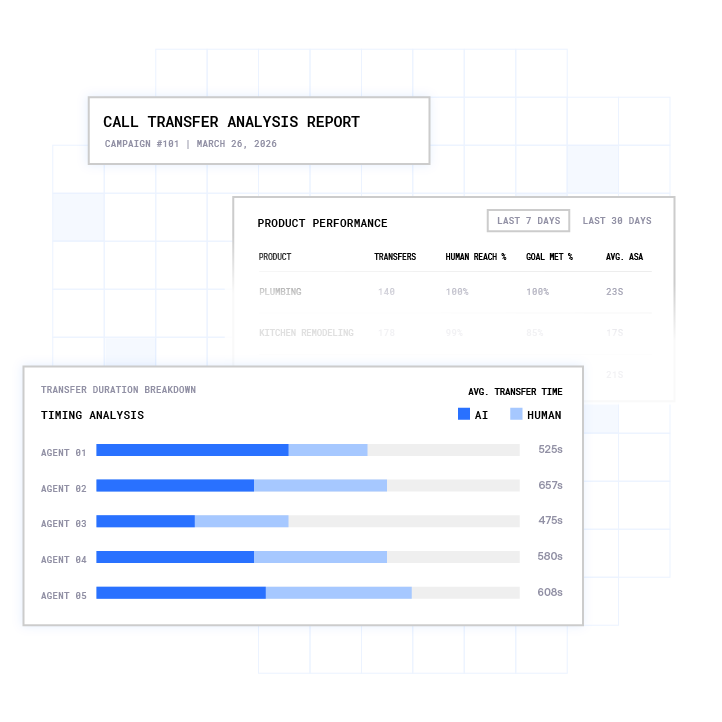
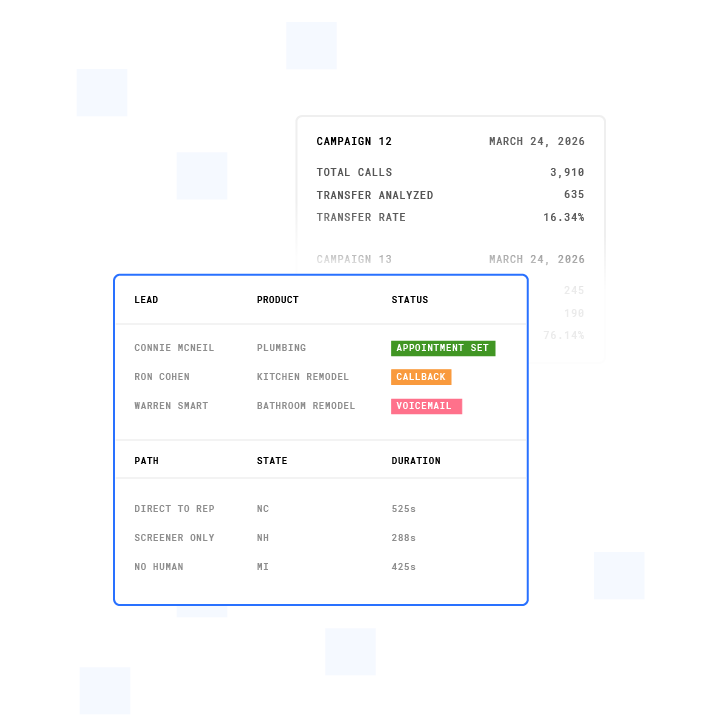
Plura AI differentiates by owning its telecom infrastructure. As an FCC-licensed carrier, Plura issues branded caller ID directly at the carrier level rather than reselling another provider’s service. Every outbound call runs STIR/SHAKEN authentication, and branded caller ID is provisioned through Plura’s own carrier identity. The AI Predictive Dialer integrates branded caller ID natively, so operators avoid stitching together multiple vendors.
Transparent pricing is available at plura.ai/pricing, with an ROI calculator to model your specific call volume.
What Real Users Say About Branded Caller ID
Aggregating feedback from G2, Reddit, and industry forums reveals consistent themes on both sides of the ledger. The most common positive theme is that answer rates improve when branding displays.
Answer rate improvements are real when branding displays. Users in r/VOIP note that branded caller ID works well on Verizon and T-Mobile, but it is not currently supported on AT&T, making it effectively unavailable there rather than merely inconsistent, which echoes a common frustration across platforms. G2 reviewers of Hiya Connect report answer rate lifts after deployment, with some noting pickup rate increases within the first two weeks.
Carrier inconsistency is the top complaint. Users across platforms report that the same number can display branding on one carrier and show as “Spam Likely” on another. As Telnyx’s documentation states, “it is normal for two recipients to see different results from the same approved calling number” due to differences in receiving carrier, device, OS, line type, or call path. This inconsistency directly undercuts the answer-rate benefit.
Cost concerns dominate for high-volume callers. G2 reviewers of First Orion note that per-call pricing becomes significant at scale, with some reporting that branding costs exceed the cost of the underlying call termination. This cost pressure compounds the inconsistency problem for large outbound teams.
Key takeaways from user feedback:
- Branded caller ID can lift answer rates meaningfully when it displays correctly.
- Display is inconsistent across carriers and devices, and no vendor can guarantee 100% coverage.
- Per-call pricing adds up quickly for high-volume operations.
- Branded display and spam labeling are separate systems running in parallel.
Carrier Support and Inconsistency: The Fragmentation Problem
Carrier support drives branded caller ID performance, and current support is fragmented. Branded calling is currently live on T-Mobile and Verizon in the U.S., with AT&T support still rolling out. CloudTalk’s documentation puts U.S. branded calling coverage at approximately 70% overall.
Device fragmentation compounds the problem. Unlocked and BYOD devices typically receive name-only display even when richer branded display is supported on carrier-provisioned devices. Apple devices on iOS 18.5 or newer support name and logo but not call reason display.
Branded display and spam labeling are two separate carrier systems running in parallel. A branded number with a poor reputation still gets flagged as spam. Registering branded caller ID does not remove an existing spam label.
A vendor’s ability to issue branded caller ID through its own carrier infrastructure can reduce some of these inconsistencies. Plura’s FCC-licensed carrier status is an example: branded caller ID is issued at the carrier level, with STIR/SHAKEN authentication on every outbound call, instead of bolting it on through a reseller arrangement. The value of that consistency shows up in answer rates. TransUnion states that customers are up to 105% more likely to answer a branded call, but that lift depends entirely on the call actually displaying branding.3 which requires A-level attestation and carrier support at the receiving end.
Branded Caller ID Pricing: What High-Volume Callers Actually Pay
Branded caller ID pricing falls into two models: per-call fees and monthly subscriptions with overage charges. The table below compares entry plans and per-call effective costs across providers, so you can see how quickly per-call rates drop at enterprise volume.
| Provider | Entry Plan | Per-Call Effective Cost | Enterprise Tier |
|---|---|---|---|
| Hiya | $29/250 calls | $0.116 | $3,175/50,000 calls ($0.064/call) |
| First Orion | $31/250 calls | $0.124 | $1,200 min/20,000 calls ($0.060/call) |
| Plura AI | See pricing | Transparent per-call rates | Volume-based |
| TNS | Not published | Not published | Carrier and partner negotiated |
The math high-volume callers must run is straightforward. If a vendor charges $0.064 per call and you make 100,000 calls per month, that is $6,400 per month just for branding. That figure comes before accounting for the roughly 34% of calls that may not display branding at all due to carrier and device limitations. Use the Plura ROI calculator to model whether branded caller ID makes financial sense for your specific call volume and conversion rates.
Critical caveat: The spam-labeling caveat noted earlier still applies. A branded number with a poor reputation still gets flagged. Branded caller ID does not function as a spam eraser.
How to Choose the Right Branded Caller ID Provider
Use this checklist when evaluating vendors:
- Carrier coverage: Confirm that the provider supports all three major U.S. carriers. Ask for their current coverage matrix instead of relying on marketing claims.
- Carrier infrastructure ownership: Determine whether the provider owns its carrier infrastructure or resells a third party’s service. Providers that hold an FCC carrier license can issue branded caller ID at the carrier level and enforce compliance workflows before dial.
- STIR/SHAKEN attestation: Verify that the provider delivers A-level attestation on every outbound call. Lower attestation levels are typically blocked from branded display on most carrier programs.
- Compliance features: Check whether the platform supports real-time DNC (Do Not Call) scrubbing and TCPA (Telephone Consumer Protection Act) compliance workflows before dialing, instead of handling compliance after the fact.2
- Pricing transparency: Look for published per-call rates. Hidden setup fees and monthly minimums can significantly increase your effective cost.
- Spam label remediation: Ask whether the provider actively monitors and remediates spam labels or focuses only on branded display.
For high-volume outbound operations, the provider that owns its carrier infrastructure usually delivers the most consistent results. Because Plura is an FCC-licensed carrier, it issues branded caller ID directly rather than through a reseller. That carrier-level issuance lets Plura run STIR/SHAKEN authentication on every call and support real-time DNC scrubbing and TCPA compliance workflows before dialing. The AI Predictive Dialer builds on this by integrating branded caller ID natively, so you do not need a separate vendor for caller identity.
If you still have questions about how branded caller ID works in practice, the following answers cover the most common ones.
Frequently Asked Questions
How much does branded calling cost?
Branded calling typically costs between $0.06 and $0.12 per call depending on volume, plus potential setup fees. Entry-level plans from major providers start around $29 to $31 per month for 250 branded calls. Enterprise tiers with volume discounts are available from most providers, with per-call rates dropping to approximately $0.06 at high volumes. Keep in mind the per-call range mentioned above when you calculate your effective cost per displayed call. Plura’s transparent pricing is available at plura.ai/pricing.
How does branded caller ID work?
Branded caller ID uses STIR/SHAKEN authentication to cryptographically sign your outbound calls at the originating carrier level. When the receiving carrier verifies the signature at A-level attestation, it can display your registered business name, logo, and call reason on the recipient’s screen. The display depends on the recipient’s carrier, device model, and operating system. Providers that own their FCC carrier license issue branded caller ID directly. Providers that do not own a carrier license resell the service through a third party, which can affect consistency and compliance enforcement.
Who offers branded caller ID?
Major providers include Hiya Connect, First Orion, TNS, and Plura AI.4 Carriers like AT&T, Verizon, and T-Mobile support branded display through middleware vendors or direct carrier programs. The key distinction is whether a provider owns its carrier infrastructure or resells another provider’s service. Plura holds an FCC carrier license and issues branded caller ID at the carrier level, which uses a different architecture than reseller-based solutions.
What is the difference between CNAM and branded caller ID?
CNAM (Caller ID Name) is a legacy, best-effort database lookup system limited to 15 characters. It is inconsistently displayed across carriers, frequently outdated, and does not support logos or call reasons. Branded caller ID is carrier-verified, supports up to 35 characters for the display name plus logo and call reason on supported devices, and uses STIR/SHAKEN authentication for verification. CNAM is generally free but unreliable on mobile networks. Branded caller ID carries a per-call cost but delivers a verified, richer display on supported carriers and devices.
Does branded caller ID work on all carriers?
As of September 2026, branded calling is live on T-Mobile and Verizon in the U.S., with AT&T support still rolling out. Display also varies by device. iPhones on iOS 18.5 or newer support name and logo but not call reason. Unlocked and BYOD devices typically receive name-only display. Overall U.S. branded calling coverage is approximately 70%, which aligns with the 30% non-display rate noted earlier. No vendor can guarantee 100% display coverage.
Conclusion: Making a Branded Caller ID Decision
A Twilio study spanning approximately 720,000 calls found that branded calls were answered 62% of the time versus 20% for unbranded calls.3 The lift is substantial. Carrier inconsistency and per-call costs are equally material considerations that vendor marketing often downplays.
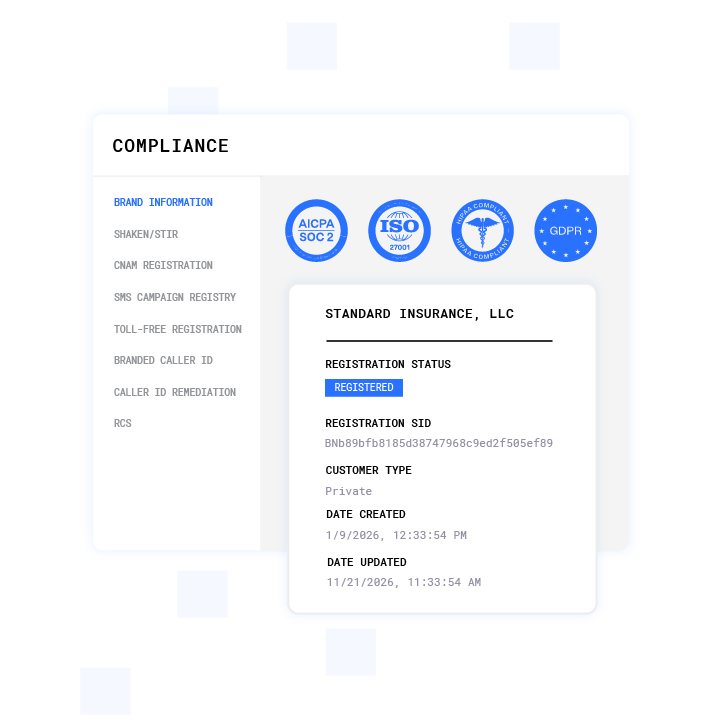
For high-volume outbound operations, the provider that owns its carrier infrastructure usually delivers the most consistent results. Plura’s FCC-licensed carrier status means branded caller ID is issued at the carrier level, STIR/SHAKEN authentication runs on every call, and compliance workflows are enforced before dial. The AI Predictive Dialer integrates branded caller ID natively, and the platform supports compliance with SOC 2, HIPAA, TCPA, and DNC frameworks.1 Plura supports compliance but does not replace your own regulatory obligations.
Compare plans and rates side by side at plura.ai/pricing, or run your numbers through the ROI calculator to see if branded caller ID makes financial sense for your operation.
Watch the AI Predictive Dialer handle branded calls live and see native branded caller ID in action.
1 Plura AI maintains SOC 2, HIPAA, ISO, and GDPR posture as part of its platform infrastructure. References to compliance frameworks in this article describe Plura’s platform capabilities and do not constitute a guarantee that any customer using Plura will themselves be compliant with applicable laws or standards. Customers remain solely responsible for their own regulatory obligations, certifications, consent management, recordkeeping, and the claims they make to their own end users. Consult qualified legal counsel for guidance specific to your use case.
2 This article describes regulatory frameworks at a general level and does not constitute legal advice. Laws and regulations vary by jurisdiction, change over time, and apply differently depending on facts and circumstances. Readers should consult qualified legal counsel before making compliance decisions.
3 Performance figures, customer outcomes, and industry statistics referenced in this article are drawn from cited third-party sources or Plura customer case studies. Individual results vary based on implementation, use case, industry, audience, and execution. Past or aggregate performance is not a guarantee of future results.
4 References to third-party products, services, companies, or research are made for informational and comparative purposes only. Plura AI is not affiliated with, endorsed by, or sponsored by any third party named in this article unless explicitly stated. Trademarks and product names referenced remain the property of their respective owners.
This article is provided for informational purposes only and reflects Plura AI’s understanding at the time of publication. Product capabilities, integrations, and specifications are subject to change. For the most current information, visit plura.ai.
This article was produced with the assistance of AI tools and reviewed by Plura AI prior to publication.