
Written by: Matt Beucler, CEO, Plura AI
Updated 2026-09-07
Key Takeaways
- After-hours calls are high-intent leads that rarely call back. Up to 100% go unanswered, and 71% of callers immediately contact a competitor.3
- AI-powered answering services like Plura AI provide 24/7 coverage on flat monthly pricing, replacing $800–$1,500 monthly premiums and per-minute overages from traditional human services.
- Modern AI agents qualify callers, book appointments, log interactions to your CRM, and escalate true emergencies before the caller hangs up.
- Businesses using after-hours answering services recover 15–20% of appointments that would otherwise be lost, often covering the service cost with a single captured job.3
The Problem: The True Cost of Missed After-Hours Calls
Every call that hits voicemail after 5 PM is a lead that almost never comes back. According to voksha.com, BIA/Kelsey found that 62% of small business calls go unanswered during business hours, and after hours the rate climbs to 95–100%, though other sources attribute the 62% figure to after-hours calls.4 Invoca data shows that 86% of callers who reach voicemail for a service business hang up without leaving a message, and 71% immediately call another business.4
The revenue impact is direct. A home services company missing five calls per week at an average job value of $300 loses $1,500 weekly, over $78,000 annually.3 For HVAC and plumbing businesses where average jobs run $850 to $2,400, a single on-call weekend of missed calls can cost $8,000 to $15,000, because emergency jobs go to whoever answers first.
Speed amplifies the loss. Industry research cited by Plura indicates that contacting a lead within 5 minutes makes them up to 100x more likely to connect. Lead conversion rates drop 10x after the first five minutes, and the average B2B response time remains over 40 hours. After-hours callers are often the highest-intent leads in your pipeline. They are actively seeking service, frequently in an emergency, and ready to hire the first business that picks up.
Run your own numbers through the Plura ROI calculator to see exactly how much missed after-hours calls are costing your business.
The Solution: What an After-Hours Call Answering Service Delivers
An after-hours call answering service answers your business calls when your office is closed, covering evenings, weekends, and holidays. The category has evolved significantly. Traditional human-based services rely on per-minute billing and message-taking. Modern AI-powered services use flat-rate pricing with appointment booking, CRM integration, and 24/7 availability built in.
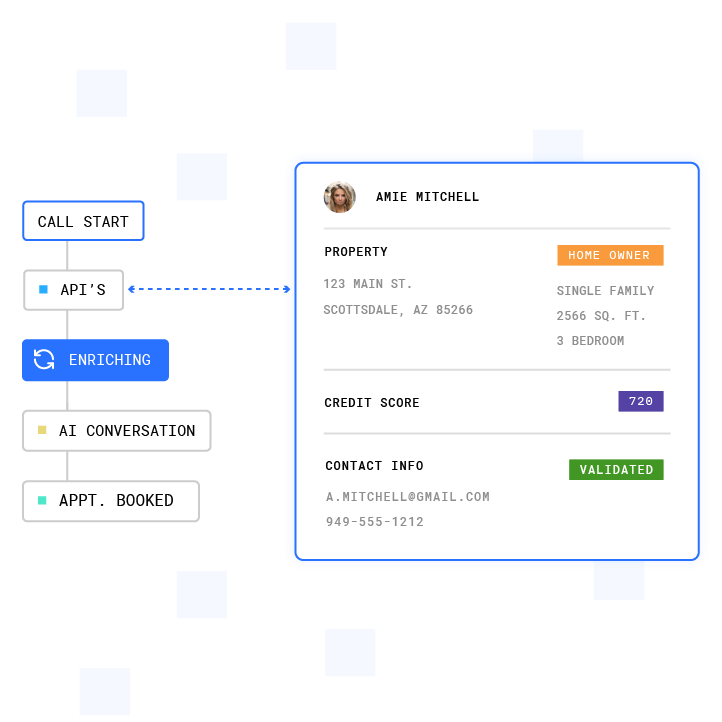
The practical difference is outcome. A traditional service takes a message that someone re-keys into your system the next morning, if it gets captured at all. An AI voice agent qualifies the caller, books the appointment, logs the interaction to your CRM, and sends a confirmation before the caller hangs up.
Benefit 1: Capture Every Lead with 24/7 Call Answering
After-hours calls are high-intent leads that rarely call back. BrightLocal consumer data shows that 71% of callers immediately call another business after reaching voicemail.4 In insurance, the first responder closes 78% of deals.
Plura’s AI voice agents answer 100% of inbound calls within two rings. This coverage extends across all locations, around the clock. Every call is qualified, every appointment is booked, and every interaction is logged, with no queue and no hold time. Research shows that 78% of prospects choose to buy from the first responder who contacts them. The business that answers at 9 PM on a Saturday often wins the job before competitors open Monday morning.
Benefit 2: Reduce Costs Compared to After-Hours Staff
Hiring a human receptionist costs $35,000 to $45,000 per year in salary alone, covering business hours only, before benefits, training, and turnover. Domestic contact center agents cost $15 to $25 per hour before benefits and overhead. If you instead outsource to a traditional human answering service, you typically pay $100 to $300 per month for basic plans with per-minute overages of $0.75 to $1.50, and nights and weekends carry a 25% to 50% premium. True 24/7 live coverage often runs $800 to $1,500 or more per month.
AI-powered services use flat monthly pricing with 24/7 coverage included and no after-hours premium. For a 50-seat equivalent contact center, traditional offshore operations cost $35,000 to $50,000 monthly, while AI contact centers cost $8,000 to $15,000 monthly. The savings scale down as well. At the illustrative 15-agent scenario modeled in Plura’s ROI calculator, human agent costs run $60,000 per month versus $14,400 per month for Plura. That gap represents a 30-day saving of $45,600 and a 12-month saving of $547,200.
Contact centers allocate 60 to 70% of operating costs to agent labor. AI removes overtime, idle time during quiet stretches, and the constant rehiring cycle that makes human after-hours coverage difficult for many small and mid-size businesses.
See a live cost comparison with Plura tailored to your call volume and staffing model.
Benefit 3: Triage Emergencies and Protect Your Team’s Rest
Without a screening layer, every after-hours call either goes to voicemail, which loses the lead, or rings an on-call employee’s personal phone at 3 AM, which burns out your team. Neither outcome scales.
An after-hours answering service screens calls, handles routine inquiries, and escalates true emergencies to on-call staff. Plura’s AI voice agents take this a step further by following custom workflows that route calls based on urgency. They book routine appointments, answer FAQs, and warm-transfer genuine emergencies with full context already passed to the receiving agent. The caller does not repeat themselves. The on-call employee receives only the calls that genuinely require human judgment. For industries like HVAC, plumbing, property management, and healthcare, this triage layer supports a sustainable on-call model.
Benefit 4: Book Appointments and Sync Automatically with Your CRM
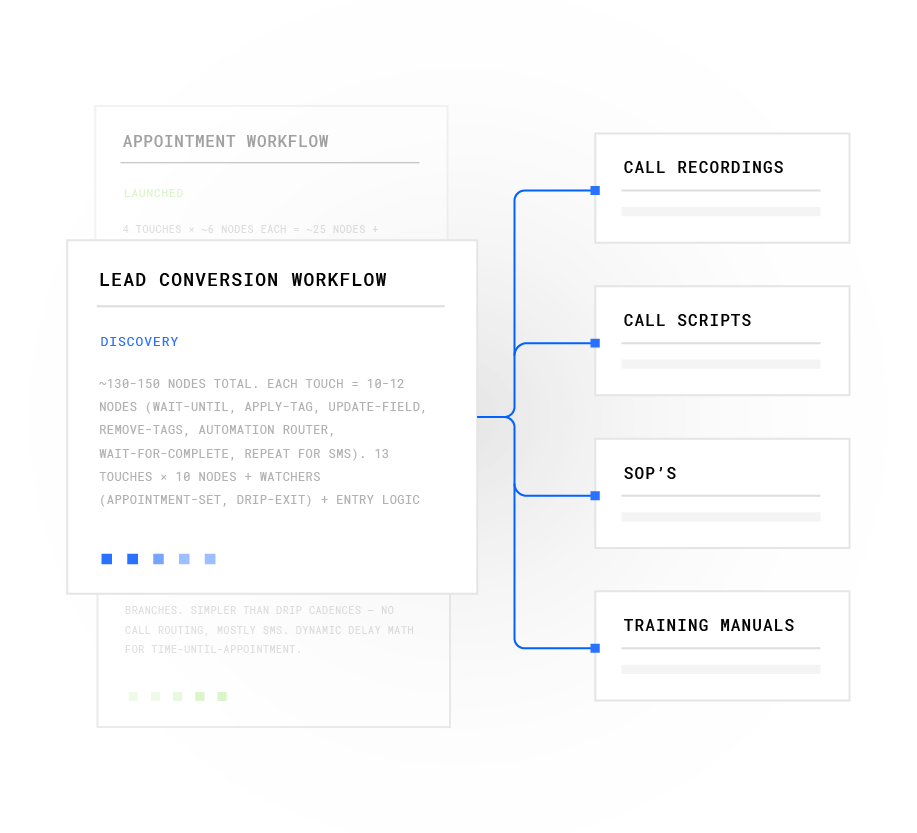
Traditional answering services take messages that require manual re-keying into your CRM the next morning. A forwarded call from a third-party answering service returns as a message that someone must re-key into the CRM, whereas a call answered on your own line returns as a CRM record with a transcript, disposition, and follow-up sequence already attached.
Plura integrates with 50+ tools including HubSpot, Salesforce, Zoho, Google Calendar, and Calendly. For home services businesses, after-hours booking and missed-call recovery mean waking up to a full schedule instead of a stack of voicemails. Every interaction is logged automatically with a full transcript, caller intent, and disposition. Your team starts the day with complete context before the first follow-up call.
After-Hours Answering Service Pricing: Human vs AI
Pricing varies significantly by model and provider. Human-based services typically run $100 to $300 per month for basic plans with per-minute overages of $0.75 to $1.50 and after-hours premiums of 25% to 50%. True 24/7 live coverage often runs $800 to $1,500 or more per month. At tested volumes, live human answering services cost roughly $0.75 to $3.39 per minute, or $245 to $1,695 or more per month.
AI-powered services typically use flat monthly fees ranging from about $29 to $300 per month, with 24/7 coverage included and no after-hours premium, though some providers charge more. AI answering services are 50 to 80% cheaper than live answering services for the same call volume and hours, because AI does not incur overtime, training, minute-based billing, or holiday surcharges.
Plura provides transparent pricing across its tiers, with 24/7 coverage, CRM integration, and compliance support included at every level.
Is an After-Hours Answering Service Worth It? An ROI Framework
The break-even calculation is straightforward. Estimate missed calls per week, multiply by your average job value, and apply your close rate.
To see it in action, consider a business missing 10 calls per week at an average job value of $300 with a 30% close rate. That business loses $900 per week, or $46,800 per year in revenue at risk. An AI answering service at $150 to $300 per month often breaks even by capturing a single additional job. Businesses using after-hours answering services capture an extra 15 to 20% of appointments that would otherwise be lost. For a company with $500,000 in annual revenue, recovering 15 to 20% of lost appointments equates to $75,000 to $100,000 in recovered business.
Use Plura’s ROI calculator to run your specific numbers, including call volume, average job value, and current close rate, and see your break-even point in real time.
AI Answering Service vs Human Receptionist: A Direct Comparison
Comparing human receptionists, traditional answering services, and AI services side by side highlights clear differences in cost, coverage, and scalability. The table below summarizes the main trade-offs so you can align your choice with your call volume and service expectations.
| Factor | Human Receptionist | Traditional Answering Service | AI Answering Service (Plura AI) |
|---|---|---|---|
| Cost | According to ZenOp’s 2026 report, a full-time receptionist costs $35,000–$45,000 per year, though other sources cite $35,000 per year in salary alone. | $100 to $300/month + $0.75 to $1.50/min overages, 25 to 50% after-hours premium | Flat monthly fee with 24/7 coverage included; see Plura plans |
| Availability | Business hours only | 24/7 with after-hours premiums | 24/7/365 at no premium |
| Response Time | Immediate when staffed | 8 to 90 second queue | First ring, within two rings |
| Scalability | Requires new hires | Linear cost scaling | Handles 3x to 5x call volume during peak seasons without temporary staff |
| CRM Integration | Manual entry | Traditional answering services often have limited or no CRM integration, requiring manual re-keying of messages, though some providers offer CRM integrations. | Native 50+ integrations |
| Compliance Support | Varies by employee | Varies by provider | TCPA and DNC compliance support, HIPAA-aligned controls, SOC 2 and ISO certifications, and SHAKEN/STIR through an FCC-licensed carrier1,2 |
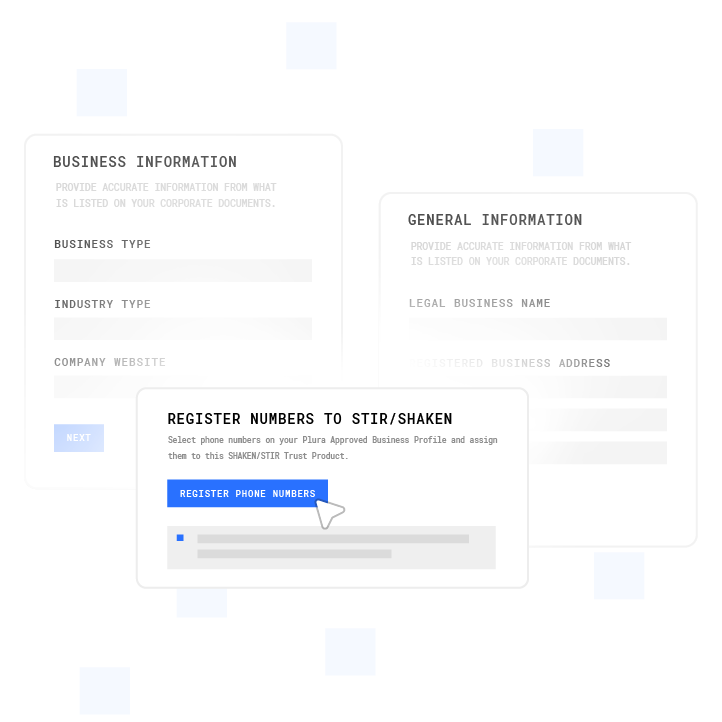
Plura is an FCC-licensed carrier, not a Twilio-based API reseller. Voice originates on Plura’s own domestic infrastructure. Branded caller ID is issued at the carrier level, SHAKEN/STIR authentication runs on every outbound call, and compliance controls apply before the call leaves the network. The platform supports TCPA compliance, DNC compliance, HIPAA-aligned encryption, SOC 2, and ISO certification, with 100% U.S. infrastructure by architecture.1,2 See a full side-by-side at plura.ai/compare.
Why Plura AI Sets the Standard for After-Hours Answering
Most after-hours answering tools solve only part of the problem. A tool might answer the call but fail to book the job, or take a message without logging it to your CRM. Many handle only English, and many providers charge a premium for after-hours coverage.
Plura’s AI voice agents manage the full call lifecycle. They answer on the first ring, qualify the caller, book the appointment, log the interaction, and send a confirmation in English or Spanish, 24/7, without an after-hours premium. The platform’s stateful conversation database recognizes a caller who texted at 9 AM when they call at noon. That continuity turns more after-hours calls into booked jobs instead of voicemails.
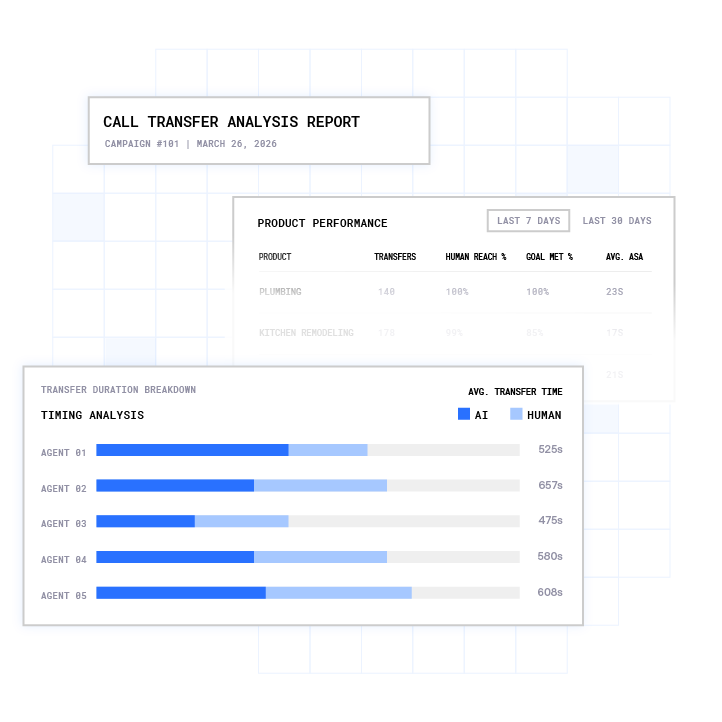
Key differentiators:
- FCC-licensed carrier stack instead of a third-party CPaaS wrapper
- Stateful conversation memory across voice, SMS, RCS, and webchat
- TCPA and DNC compliance support, HIPAA-aligned controls, SOC 2 and ISO certifications, and 100% U.S. infrastructure1,2
- 50+ CRM and calendar integrations including HubSpot and Salesforce
- English and Spanish handled on every call at no language premium
- No-code workflow builder via managed workflows for custom call routing and escalation
- Conversation intelligence that surfaces which scripts close and which objections recur
Watch Plura handle a real after-hours call flow for your business in a live demo.
Frequently Asked Questions
What Is an After-Hours Call Answering Service?
An after-hours call answering service answers your business calls when your office is closed, covering evenings, weekends, and holidays. Modern services do more than take messages. They qualify leads, book appointments, filter emergencies, and integrate with your CRM so every interaction is captured and actionable before your team arrives the next morning. The category includes human-staffed services that bill per minute and AI-powered services that use flat monthly pricing with 24/7 coverage built in.
How Much Does an After-Hours Answering Service Cost?
As detailed in the pricing section above, human-based services often run $100 to $300 per month plus overages, while true 24/7 live coverage can reach $800 to $1,500 or more. AI-powered services like Plura use flat monthly pricing with no after-hours premium, typically $29 to $300 per month depending on call volume. See current Plura plans.
Is an After-Hours Answering Service Worth It?
For most phone-dependent businesses, the math is straightforward. Using the five-calls-per-week example from earlier, a $300 average job value puts $78,000 in annual revenue at risk. One captured job per month typically covers the service cost. As noted earlier, businesses using after-hours answering services recover 15 to 20% of otherwise lost appointments. For industries with higher average job values, such as HVAC, legal, or dental, the ROI impact grows further. Use Plura’s ROI calculator at plura.ai/calculator to run your specific numbers.
Can AI Handle After-Hours Calls?
Modern AI voice agents answer on the first ring, hold natural conversations in English or Spanish, qualify leads, book appointments, and escalate emergencies to on-call staff with full context already passed. Plura’s agents handle calls with stateful memory across voice, SMS, RCS, and webchat, so a caller who texted earlier in the day is recognized when they call after hours. AI handles unlimited concurrent calls without a queue, so a surge during a storm or a busy weekend does not result in missed calls or busy signals.
How Does Plura AI Support Compliance for After-Hours Calls?
Plura is an FCC-licensed carrier with built-in compliance infrastructure. The platform supports TCPA compliance and DNC compliance, with real-time DNC scrubbing on every outbound contact before dial. Consent records are timestamped and immutable. HIPAA-aligned encryption, access controls, and audit logging apply to protected health information across all channels. The platform is SOC 2 certified, ISO certified, and runs on 100% U.S. infrastructure.1,2 Plura provides the infrastructure; customers remain responsible for their own regulatory obligations and should consult qualified counsel for their specific compliance posture.
How Quickly Can I Set Up an After-Hours Answering Service with Plura?
Most Plura deployments go live within days to weeks depending on conversation complexity. A standard inbound qualification and booking flow is typically built in days. More complex workflows, such as multi-step intake or emergency triage with custom escalation rules, take longer to design and validate. Plura’s onboarding includes a discovery audit, workflow design using the no-code workflow builder, a pilot test on real calls, and full go-live. Every annual contract includes a 90-day opt-out window if the deployment is not delivering.
1 Plura AI maintains SOC 2, HIPAA, ISO, and GDPR posture as part of its platform infrastructure. References to compliance frameworks in this article describe Plura’s platform capabilities and do not constitute a guarantee that any customer using Plura will themselves be compliant with applicable laws or standards. Customers remain solely responsible for their own regulatory obligations, certifications, consent management, recordkeeping, and the claims they make to their own end users. Consult qualified legal counsel for guidance specific to your use case.
2 This article describes regulatory frameworks at a general level and does not constitute legal advice. Laws and regulations vary by jurisdiction, change over time, and apply differently depending on facts and circumstances. Readers should consult qualified legal counsel before making compliance decisions.
3 Performance figures, customer outcomes, and industry statistics referenced in this article are drawn from cited third-party sources or Plura customer case studies. Individual results vary based on implementation, use case, industry, audience, and execution. Past or aggregate performance is not a guarantee of future results.
4 References to third-party products, services, companies, or research are made for informational and comparative purposes only. Plura AI is not affiliated with, endorsed by, or sponsored by any third party named in this article unless explicitly stated. Trademarks and product names referenced remain the property of their respective owners.
This article is provided for informational purposes only and reflects Plura AI’s understanding at the time of publication. Product capabilities, integrations, and specifications are subject to change. For the most current information, visit plura.ai.
This article was produced with the assistance of AI tools and reviewed by Plura AI prior to publication.