
Written by: Matt Beucler, CEO, Plura AI
Updated September 2026
Key Takeaways
- After-hours call answering software uses AI voice agents, virtual receptionists, or routing tools to capture leads and protect revenue 24/7.
- 62% of U.S. small business calls go unanswered, which costs businesses an estimated $126,000 annually in missed opportunities.
- AI-powered receptionists deliver instant, scalable coverage at $0.35–$0.85 per conversation, compared to $1.50–$3+ per minute for live services.
- Key evaluation criteria include 24/7 availability, CRM integration, compliance support (TCPA, HIPAA, SOC 2), and smooth escalation to humans when needed.1
- Plura AI offers a webchat-enabled AI voice agent that qualifies leads, books appointments, and integrates with your CRM.
Why After-Hours Calls Matter
Every unanswered after-hours call is a lead that often calls your competitor next. As noted above, 62% of calls to U.S. small businesses go unanswered, with field-based service businesses seeing rates above 70% during peak hours. Research shows that 85% of callers who hit voicemail hang up without leaving a message and move on to the next listing.
Contacting a lead within 5 minutes makes them up to 100x more likely to connect, and a 60-second response can lift conversions by 391%. Small businesses lose an estimated $126,000 annually to missed calls, which compounds across franchises and multi-location brands.
Run your numbers through Plura’s ROI calculator to see your monthly revenue exposure.
The Three Main Types of After-Hours Call Answering
AI-Powered Receptionists
AI receptionists use conversational AI to answer calls instantly, qualify leads, book appointments, and escalate complex calls to humans. They operate 24/7 without overtime, shift premiums, or staffing gaps.
Pros:
- 24/7/365 availability with no after-hours surcharges.
- Instant response with no hold times and support for unlimited simultaneous calls.
- Cost-efficient: typically $0.35-$0.85 per completed conversation, compared to $5-$15 for offshore call centers.
- Scales quickly to handle 10x volume without additional hiring.
- Native CRM integration that logs calls, updates records, and triggers workflows automatically.
- Consistent quality on every call with no script drift.
Cons:
- Escalation may be needed for highly complex, emotional, or unusual calls.
- Initial setup and configuration require some upfront effort.
- Some callers prefer speaking to a human.
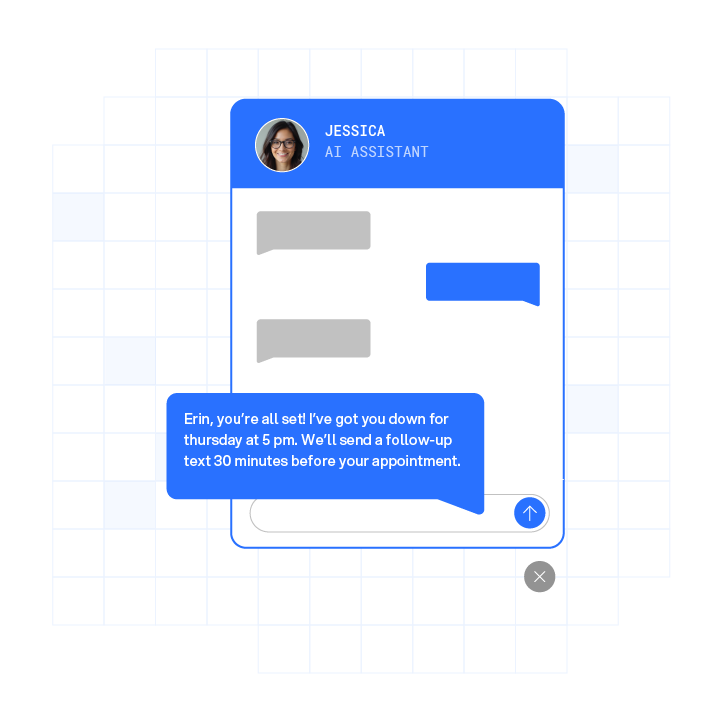
Plura’s AI voice agent answers every call on the first ring, qualifies leads from 50+ data sources, books your calendar live, and transfers hot buyers mid-call with full context. Plura supports compliance with TCPA, DNC, HIPAA, and SOC 2 requirements through features built into the platform.1
Live Virtual Receptionists
Live services employ human operators who answer calls, take messages, and perform warm transfers based on your scripts and routing rules.
Pros:
- Human empathy and judgment on complex or sensitive calls.
- Ability to handle unusual requests and emotionally charged conversations.
- Warm, personal caller experience.
Cons:
- Higher cost: typically $235-$1,640/month for included receptionist minutes, with overages often 20-30% higher than base expectations.
- Limited scalability because one operator handles one call at a time.
- After-hours and holiday surcharges often run 1.5x-2x base rates.
- Quality can vary by operator and shift.
On-Call Routing Tools
On-call routing tools use basic call forwarding and paging to route after-hours calls to on-call staff, with escalation to backups if the primary contact does not answer.
Pros:
- Low cost and often included in existing phone systems.
- Simple configuration for small teams.
- Directs calls to a specific on-call person.
Cons:
- Reliability depends entirely on the person receiving the call.
- No structured lead capture, qualification, or booking.
- No CRM integration or analytics.
- Callers may hang up when forwarded to voicemail.
AI vs. Live: Head-to-Head Comparison
To match your call volume and complexity to the right model, compare AI answering software and live services side by side.
| Factor | AI Answering Software | Live Answering Service |
|---|---|---|
| Cost per conversation | $0.35-$0.85 per completed conversation | $1.50-$3+ per minute |
| Response time | Instant, answers on first ring | 8-second average answer time (PATLive benchmark) |
| Availability | 24/7/365 with no surcharges | 24/7 available with after-hours premiums |
| Scalability | Handles unlimited simultaneous calls and scales 10x overnight without new hires | One call per operator, staffing limits apply |
| Empathy and complexity | Handles routine calls well and escalates complex calls to humans | Strong on complex, emotional, and high-stakes calls |
| Integration | Native CRM, calendar, and workflow integrations | Varies by provider, often requires manual data entry |
| Compliance support | TCPA, DNC, HIPAA, SOC 2 support features1 | Depends on provider |
AI handles over 80% of routine after-hours calls faster and at lower cost than live agents. For most businesses with high call volume, AI answering software delivers 24/7 coverage. It does so at a fraction of live-service cost. Live services fit scenarios where calls are consistently complex or emotionally sensitive.
See detailed plan comparisons on Plura’s pricing page.
How Much Does an AI Call Answering Service Cost?
AI answering services typically charge per minute, per call, per unique caller, or through a flat monthly subscription. Live services usually charge per minute or per call with monthly packages.
- AI per-minute platforms: approximately $0.07-$0.31 per minute all-in, depending on LLM and telephony choices.
- AI flat subscriptions: $29-$300/month for included minutes or calls.
- Live services: $235-$1,640/month for 50-500 receptionist minutes.
- Hybrid (AI + human): $200-$800/month.
Plura offers transparent pricing with no hidden overages. Many live services require annual contracts and charge overage fees that can push real bills 20-30% higher than the advertised rate.
Best After Hours Call Answering Software by Category
Best AI Answering Software
- Plura AI – Best overall for high-volume businesses. FCC-licensed carrier, stateful conversation memory across voice, SMS, RCS, and webchat, compliance support features (TCPA, DNC, HIPAA, SOC 2), 24/7 availability, and a no-code workflow builder. Hear the AI voice demo.
- Bland AI – Per-minute pricing from $0.14/min, strong for high-volume teams building custom escalation logic.4
- Retell AI – Developer-focused platform with component flexibility and real-world costs of $0.13-$0.31/min.4
Best Live Answering Services
- Ruby – Premium live receptionist service since 2003 with plans from $235/month for 50 minutes.4
- AnswerConnect – 24/7 live US, UK, and Canada coverage with bilingual support.4
- Smith.ai – Hybrid AI + human option with live plans from $300/month for 30 calls.4
Best On-Call Routing Tools
- Helpline Software – Routes emergency calls to on-call staff with automatic escalation.4
- Basic call forwarding – Included in most business phone systems and forwards after-hours calls to a mobile number.
How to Choose Based on Industry and Call Volume
Match your industry and call patterns to the right model using this framework.
- Home services, healthcare, legal, e-commerce with high volumes of routine after-hours calls for booking, qualification, and FAQs often fit AI well. AI keeps cost predictable while maintaining fast response. For home services, see Plura’s home services demo.
- High-touch industries such as luxury, crisis counseling, or complex legal and medical intake often rely on live agents for empathy and nuanced judgment.
- Under 500 calls/month typically aligns with basic routing or AI pay-per-minute models to keep spend low.
- Over 1,000 calls/month usually benefits from AI, which scales more efficiently and reduces cost per call. Plura’s AI agents answer 100% of calls within two rings in franchise deployments and provide under-60-second response on every lead.
Use this decision guide as a quick reference. If your calls are routine and you need 24/7 coverage at low cost, AI answering software is the right fit. For complex, emotional, or high-stakes calls, a live answering service provides the human judgment needed. Small on-call teams with low volume often rely on on-call routing. Hybrid models combine AI efficiency with human backup for edge cases.
Features to Prioritize in After-Hours Software
Focus on features that protect revenue, reduce manual work, and give you visibility into performance.
- 24/7 availability with no after-hours surcharges so every call receives a response.
- Custom greetings and business-specific knowledge so callers feel they reached your team, not a generic service.
- Call recording and transcription to support quality review and coaching.
- CRM integration with automatic logging and record updates so staff avoid manual data entry.
- Escalation to a human for complex or urgent calls to protect high-value opportunities.
- Appointment scheduling directly on the call to lock in revenue while the caller is engaged.
- Multilingual support, with English and Spanish as a common baseline for many U.S. operations.
- Compliance support features such as TCPA and DNC scrubbing and consent management tools.1
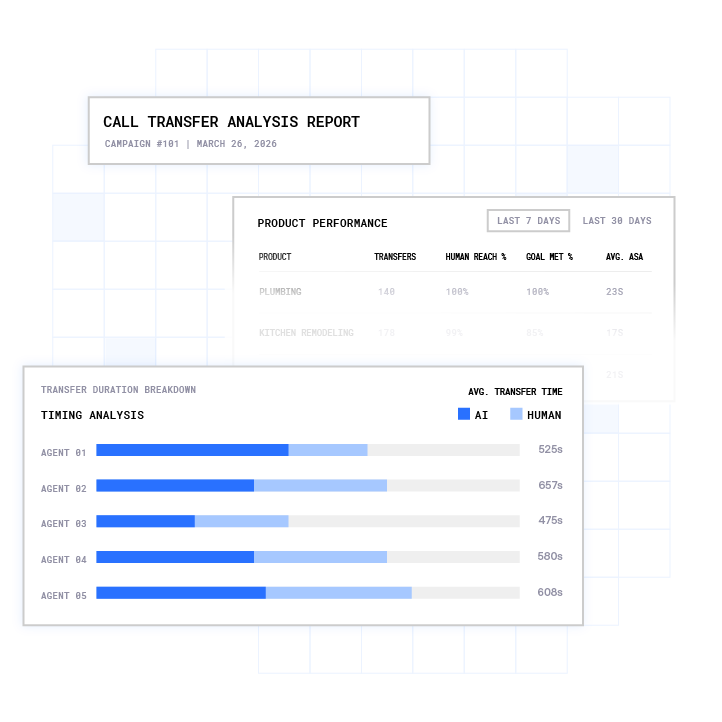
- Analytics and reporting on call volumes, outcomes, and conversion data to guide staffing and marketing decisions.
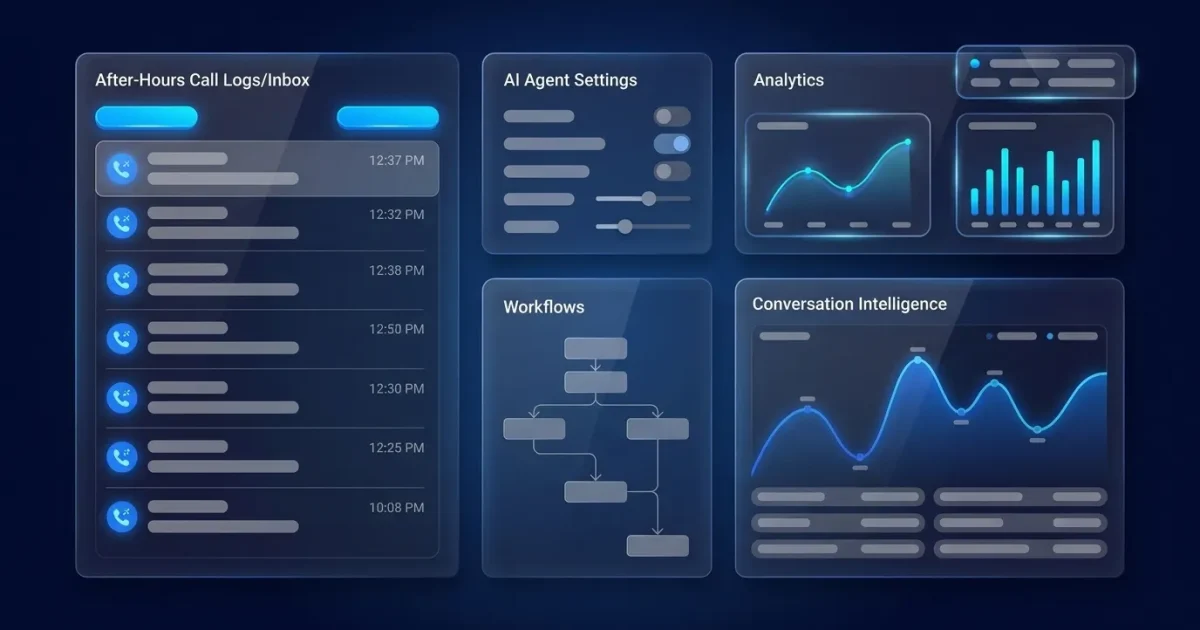
Plura includes a no-code workflow builder and conversation intelligence for continuous improvement across every channel.
Compliance and Legal Considerations
Businesses using AI for after-hours call answering operate within a regulatory framework that includes the Telephone Consumer Protection Act (TCPA), Do-Not-Call (DNC) registry rules, and state-specific regulations.2 The FCC’s February 2024 declaratory ruling classified AI-generated voices as “artificial” under the TCPA, which means AI voice calls fall into the same category as prerecorded calls for consent analysis.2
For inbound calls where the customer initiates contact, an AI agent answering is described as distinct from robocalling and carries different consent considerations than outbound AI calls.2 Outbound AI calls relate to TCPA consent requirements that businesses should review with qualified counsel.
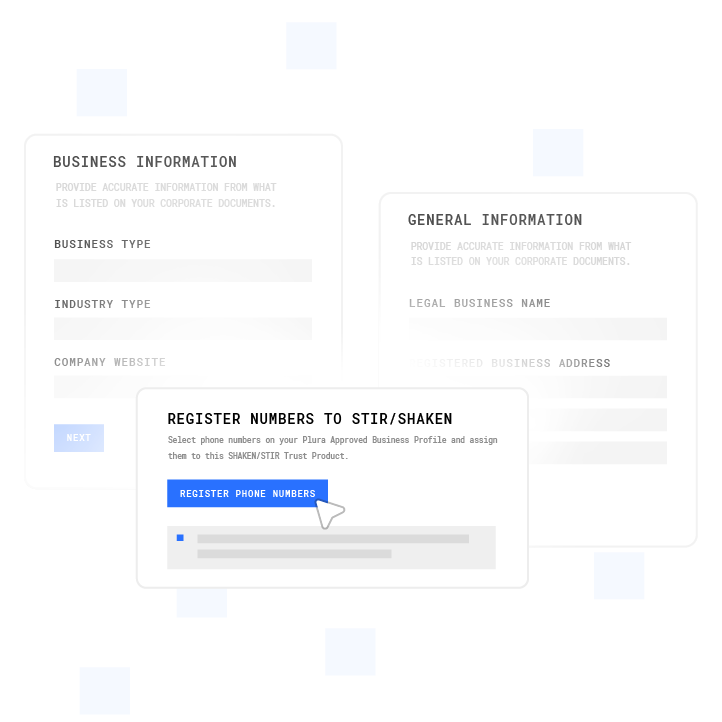
Plura supports compliance through real-time DNC scrubbing, consent management, and quiet-hours enforcement features. Businesses remain responsible for their own regulatory obligations. Review Plura’s compliance features.
FAQ
Is there a free virtual answering service?
Some basic options exist. Smith.ai offers a free plan covering 25 calls per month, then $3 per call. Most AI services provide free trials ranging from 7 to 14 days, but free tiers usually lack advanced features such as CRM integration and live appointment booking. Many businesses that lose revenue to missed after-hours calls recover the cost of a paid plan within the first week of captured bookings.
How much does an AI call answering service cost?
Costs vary by model and usage. AI answering services often range from $29 to $300 per month for flat subscriptions, or $0.07 to $0.31 per minute on usage-based platforms. Live virtual receptionist services commonly run $235 to $1,640 per month for included minutes, with overages that can push real bills 20-30% above the advertised rate. Hybrid AI plus human services frequently fall in the $200 to $800 per month range. Plura provides transparent pricing with no hidden overages, and you can compare plans on Plura’s pricing page.
Can I use AI to answer phone calls?
AI voice agents use conversational AI to answer calls, understand caller intent, qualify leads, book appointments, and escalate complex calls to humans. Modern AI agents can manage the full call flow from greeting to handoff. Plura’s AI voice agent answers on the first ring, qualifies leads from 50+ data sources, and transfers hot buyers mid-call with full conversation context already available for the receiving agent.
Is AI calling illegal?
AI calling operates within the framework established by the TCPA and FCC rules.2 The FCC classifies AI-generated voices as “artificial” under the TCPA, which affects consent analysis for outbound calls. For inbound calls where the customer initiates contact, an AI agent answering carries different consent considerations than outbound campaigns. Businesses should consult qualified counsel to understand their specific obligations under federal and applicable state rules before deploying any outbound AI calling program.
What is the best after-hours call answering software for small business?
Many small businesses with routine after-hours calls find that AI answering software delivers a strong balance of cost, coverage, and capability. Plura AI is built for high-volume operators that need 24/7 coverage, instant response, CRM integration, and compliance support on a single platform. Live services such as Ruby fit high-touch industries where calls are consistently complex or emotionally sensitive. Use the industry and volume framework in this guide to identify the right fit for your operation.
Conclusion: Turn Missed Calls into Revenue
Missed after-hours calls reduce revenue every night. After-hours call answering software closes that gap and keeps your team focused on in-person work. For many high-volume businesses, Plura AI delivers 24/7 after-hours call answering, instant response, CRM integration, and compliance support features at a fraction of live-service cost.
Run your numbers through Plura’s ROI calculator to check your return in real time.
See plan and rate details on Plura’s pricing page.
Ready to see it in action? Book a live demo with Plura.
62% of U.S. small business calls go unanswered, which costs businesses an estimated $126,000 annually in missed opportunities.3
Research shows that 85% of callers who hit voicemail hang up without leaving a message and move on to the next listing.3
Contacting a lead within 5 minutes makes them up to 100x more likely to connect, and a 60-second response can lift conversions by 391%.3
Small businesses lose an estimated $126,000 annually to missed calls, which compounds across franchises and multi-location brands.3
AI-powered receptionists deliver instant, scalable coverage at $0.35–$0.85 per conversation, compared to $1.50–$3+ per minute for live services.3
Helpline Software – Routes emergency calls to on-call staff with automatic escalation.4
1 Plura AI maintains SOC 2, HIPAA, ISO, and GDPR posture as part of its platform infrastructure. References to compliance frameworks in this article describe Plura’s platform capabilities and do not constitute a guarantee that any customer using Plura will themselves be compliant with applicable laws or standards. Customers remain solely responsible for their own regulatory obligations, certifications, consent management, recordkeeping, and the claims they make to their own end users. Consult qualified legal counsel for guidance specific to your use case.
2 This article describes regulatory frameworks at a general level and does not constitute legal advice. Laws and regulations vary by jurisdiction, change over time, and apply differently depending on facts and circumstances. Readers should consult qualified legal counsel before making compliance decisions.
3 Performance figures, customer outcomes, and industry statistics referenced in this article are drawn from cited third-party sources or Plura customer case studies. Individual results vary based on implementation, use case, industry, audience, and execution. Past or aggregate performance is not a guarantee of future results.
4 References to third-party products, services, companies, or research are made for informational and comparative purposes only. Plura AI is not affiliated with, endorsed by, or sponsored by any third party named in this article unless explicitly stated. Trademarks and product names referenced remain the property of their respective owners.
This article is provided for informational purposes only and reflects Plura AI’s understanding at the time of publication. Product capabilities, integrations, and specifications are subject to change. For the most current information, visit plura.ai.
This article was produced with the assistance of AI tools and reviewed by Plura AI prior to publication.