
Written by: Matt Beucler, CEO, Plura AI
Key Takeaways
- Sales automation reviews should evaluate performance at high volume, with attention to carrier-level deliverability and compliance.
- High-volume teams need platforms that own their carrier stack to reduce spam labeling, deliverability failures, and cross-channel memory gaps.
- Plura AI stands out for high-volume teams with its FCC-licensed infrastructure, sub-5-second lead contact, and 3x average ROI in 90 days.3
- Key evaluation criteria include monthly contact volume, compliance exposure, and whether the team requires one channel or four with shared conversation memory.
Best-Fit Sales Automation Software for High-Volume Teams
Plura AI: Built for High-Volume Communicators
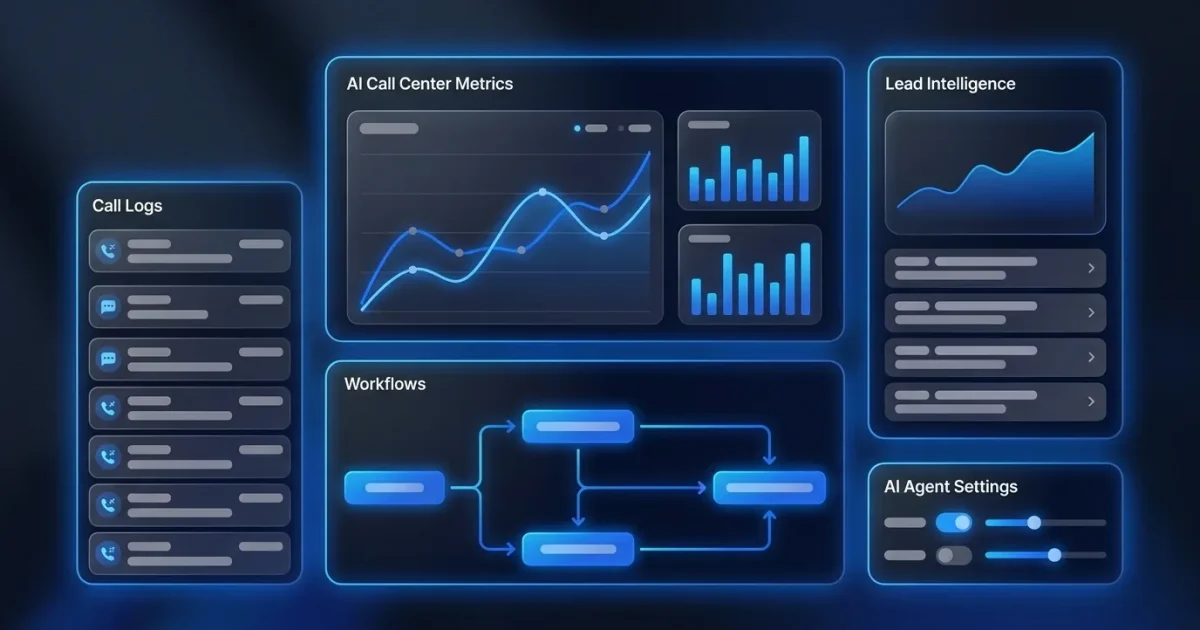
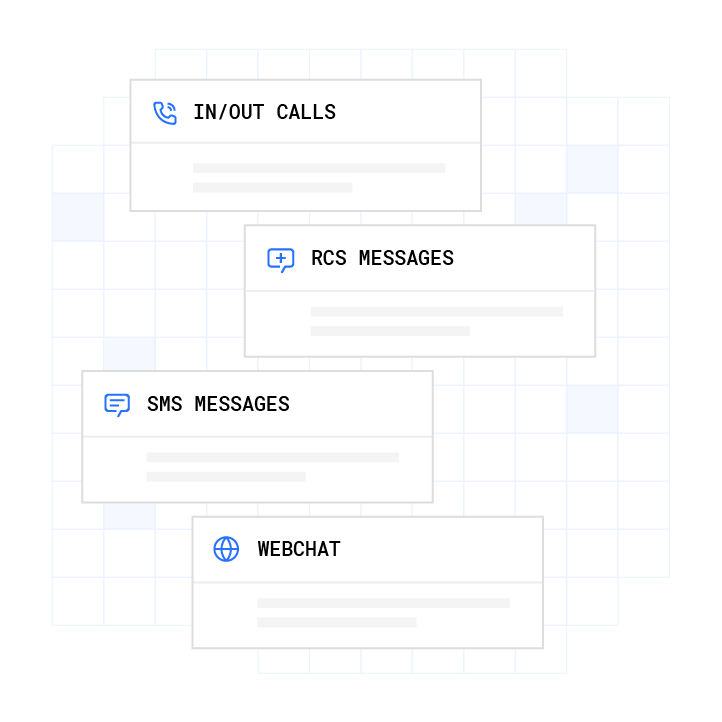
Plura AI is an FCC-licensed platform of AI agents running voice, SMS, RCS, and webchat on 100% U.S. infrastructure. Because its Stateful Conversation Database carries context across every channel, a lead contacted via AI SMS at 9 a.m. is recognized when the call comes at noon. That same stateful signal feeds the AI predictive dialer, which maximizes talk time per dial, while the AI voice agent contacts leads in under 5 seconds. The platform supports the compliance frameworks described in the section below. Pricing is structured across three tiers on annual contracts billed monthly, each with a 90-day opt-out window.
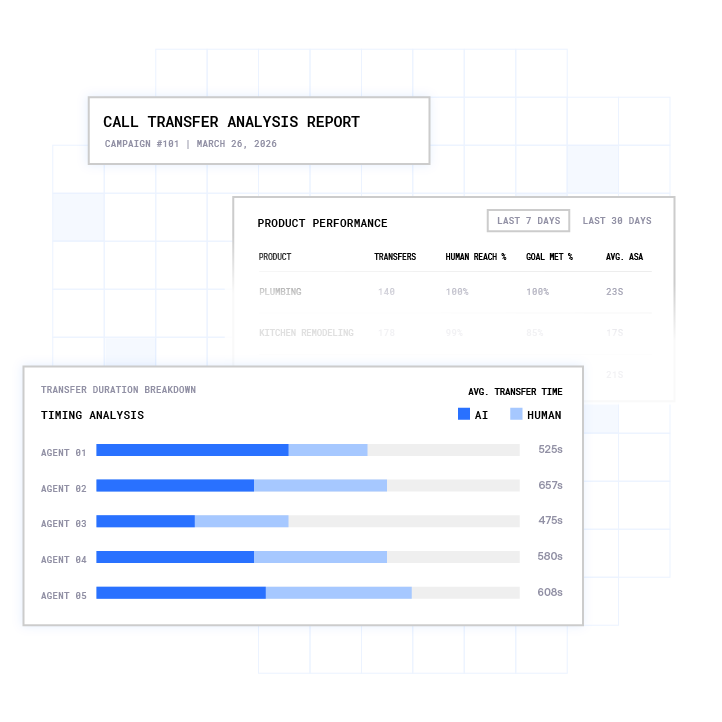
Harvard Business Review research found that companies responding within five minutes are 100 times more likely to connect with a prospect than those waiting 30 minutes.3 Plura closes that gap by design: leads contacted within 1 minute are 391% more likely to convert than those contacted after 24 hours,3 and 78% of buyers purchase from the company that responds first.
Other Named Tools and Where They Fit
Apollo: A prospecting and contact data platform combining a B2B contact database with automated sequencing and tracking. G2 rates Apollo at 4.7/5 from 9,000+ reviews as of July 2026,4 making it the highest-rated tool in its category by review volume. Best for SMB and mid-market teams wanting prospecting, data, and sequences in one tool. Commonly cited drawbacks include data accuracy that varies by region and engagement depth that trails enterprise suites for large call-heavy teams.
HubSpot Sales Hub: CRM-native sequences and email automation. G2 rates HubSpot Sales Hub at 4.4/5 from 12,000+ reviews as of May 2026.4 Best for teams already on HubSpot running inbound-led or moderate outbound motions. Its dialer is click-to-call only with no power or parallel dialing at any tier, which limits suitability for high-volume calling teams.
Salesforce Sales Cloud: Enterprise CRM with automation and reporting. G2 rates Salesforce Sales Engagement at 4.4/5 across roughly 25,800 reviews, per Topickz’s 2026 guide.4 Best for large organizations with complex pipelines requiring deep customization. Reviewers consistently cite complexity that often requires a dedicated admin or paid consultant.
Salesloft: Sales engagement and cadence execution. G2 rates Salesloft at 4.5/5 from 11,129 reviews as of May 2026.4 Best for enterprise outbound teams running multichannel cadences at scale. Clari and Salesloft completed their merger in December 2025, which introduces integration timeline and pricing risk for buyers evaluating long-term contracts.
Outreach: Sales engagement and revenue workflow. G2 rates Outreach at 4.3/5 from 3,500+ reviews as of June 2026.4 Best for enterprise outbound organizations with dedicated sales ops support. Pricing opacity is the most frequently cited drawback in Outreach reviews.
lemlist: Cold email outreach and personalization. G2 rates lemlist at 4.6/5 from 1,400+ reviews as of July 2026.4 Best for email-focused outbound teams needing multichannel sequences. Strongest at email and LinkedIn instead of a full multichannel suite.
These six tools cover most of what review roundups recommend. What they do not surface is the structural difference that decides whether a platform holds up at call-center volume.
What Reviews Miss at Call-Center Volume
The structural distinction that many sales automation reviews skip is the difference between prospecting tools and full communications platforms. Prospecting tools like Apollo and lemlist are built for email and LinkedIn outreach. They automate the send layer and track replies. They operate at the send layer, without carrier-level caller ID, real-time DNC scrubbing, or cross-channel conversation memory. That gap is invisible in a demo and visible the moment volume scales.
Enterprise engagement platforms like Salesloft and Outreach are built for cadence execution at scale: they run multichannel sequences and sync activity to the CRM. What they do not do is own the carrier layer. Voice traffic routes through third-party CPaaS (Communications Platform as a Service) providers, which means caller ID is not issued at the carrier level and compliance enforcement sits outside the platform.
At call-center volume, three failure modes appear that typical review roundups do not cover:
- Spam labeling. Carriers and third-party analytics providers assign Spam Likely labels based on call patterns, answer rates, complaint reports, and registration status. A platform that cannot issue branded caller ID at the carrier level cannot directly address this problem.
- Carrier deliverability. Twilio error code 30007, meaning the carrier blocked the message, fires when the sender is not registered for A2P 10DLC or the content triggers a spam filter. Platforms that rent their carrier layer inherit that carrier’s reputation instead of their own.
- Cross-channel memory gaps. A lead who texts and then calls later has to re-explain themselves if the voice agent and the SMS agent run on separate systems with separate memories. That is the default architecture for most tools in this category.
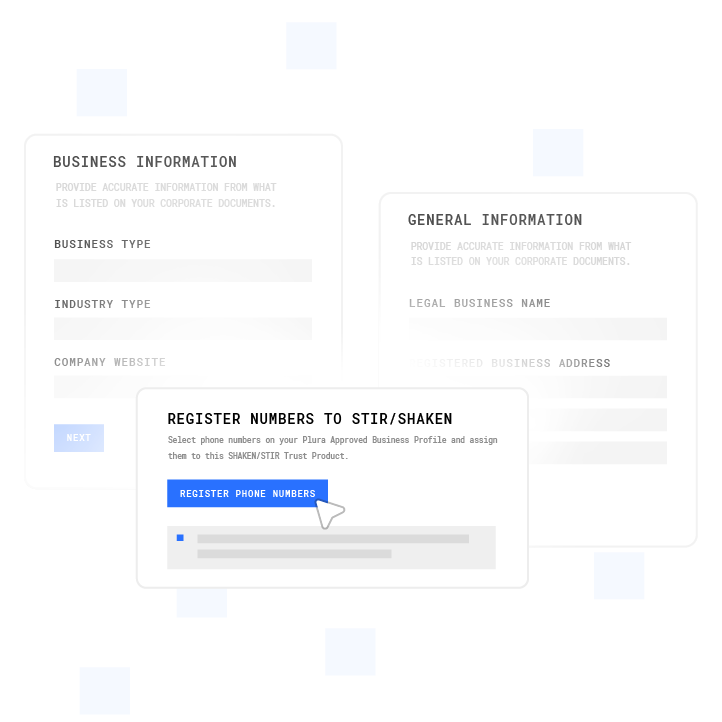
Plura issues branded caller ID directly through its FCC-licensed carrier and runs STIR/SHAKEN (Secure Telephone Identity Revisited/Signature-based Handling of Asserted information using toKENs) authentication on every outbound call. Its Stateful Conversation Database holds context across voice, SMS, RCS, and webchat by default. These capabilities sit at the core of the platform rather than as add-ons.
Sales Automation Compliance: What to Check Before You Buy
High-volume outbound teams operate inside a layered regulatory environment. The TCPA (Telephone Consumer Protection Act, 47 U.S.C. § 227) describes consent and autodialer use for calls and texts to U.S. numbers.2 The FTC’s (Federal Trade Commission) National DNC (Do Not Call) Registry, which contained more than 258 million telephone numbers as of January 2026, must be scrubbed at least every 31 days.2 A2P 10DLC (Application-to-Person 10-digit long code) registration governs SMS traffic on major U.S. carriers.2 HIPAA (Health Insurance Portability and Accountability Act) applies to platforms handling protected health information.2 Readers should consult the relevant regulations and qualified counsel for their specific obligations.
TCPA litigation reached an all-time high of 2,788 cases filed in 2024, up 67% from 2023, with an average settlement of $6.6 million. The FCC’s February 2024 declaratory ruling classified AI-generated voices as “artificial or prerecorded voice” under the TCPA, applying the same consent standards to AI voice calls as to prerecorded telemarketing.
Plura supports compliance with SOC 2, HIPAA, ISO certification, GDPR, SHAKEN/STIR caller ID verification, TCPA compliance, and DNC compliance.1 Customers remain responsible for their own regulatory obligations and the claims they make to their end users.
How to Choose Sales Automation Software for High-Volume Teams
Three questions separate the right tool from the wrong one for high-volume environments:
- What is your monthly contact volume? Teams sending 500 cold emails a month have different needs than teams making 10,000 outbound calls a month. The second group needs carrier-level deliverability and reliable dialing, not only sequence automation. Sales engagement platforms are recommended for teams with predictable prospect volume of 500+ new prospects monthly, but that threshold describes email-sequence tools instead of carrier-grade voice platforms.
- What is your compliance exposure? Teams operating in regulated verticals or across multiple states need platform-level compliance support, including real-time DNC scrubbing, TCPA-litigator screening, automated quiet hours, and immutable consent logging. Qualified counsel can help interpret how these requirements apply to a specific operation.
- Do you need one channel or four? Email-only outreach tools solve a different problem than platforms that run voice, SMS, RCS, and webchat with shared conversation memory. If a lead switches from text to voice mid-conversation, a stateful platform is the architecture that delivers a continuous experience.
Plura’s positioning fits high-volume, regulated teams running voice and SMS in parallel. A team at call-center scale, operating across regulated verticals, benefits from a platform that owns the carrier stack instead of renting it. To see how Plura performs against specific volume and compliance requirements, teams can walk through a tailored demo with the Plura team.
Below are the questions buyers ask most often once they start comparing platforms.
Frequently Asked Questions
Which Sales Automation Platform Fits a High-Volume Team?
The right platform depends on monthly contact volume, compliance exposure, and channel requirements. High-volume teams with voice-heavy workflows should focus on carrier-grade platforms that own their carrier stack and support cross-channel conversation memory, such as Plura. Teams with lighter outbound needs can often use prospecting or CRM-native tools effectively.
What Are Common Drawbacks of Sales Automation Tools?
Many tools focus on email and LinkedIn outreach, which limits carrier-level control, caller ID branding, and real-time DNC scrubbing. Others excel at cadence execution but route voice through third-party CPaaS providers, which can introduce spam labeling and deliverability issues at scale. Buyers also report drawbacks such as data accuracy gaps, pricing opacity, and dialers that are not designed for call-center-scale outbound.
How Should Call Centers Evaluate Sales Automation Platforms?
Start by asking whether the platform owns its carrier stack or routes through a third-party CPaaS, because that answer shapes caller ID control and where compliance enforcement occurs. Then confirm that conversation context carries across channels so a lead who switches from text to voice does not repeat information. Finally, run any shortlisted platform on your own data and traffic patterns before committing budget.
What Should I Review Before Signing a Sales Automation Contract?
The first step is to verify whether DNC scrubbing, TCPA consent logging, and quiet hours run inside the platform or depend on third-party add-ons, since add-ons can create gaps at the moment of dialing. From there, confirm whether caller ID is issued at the carrier level or through a reseller and whether the platform runs on domestic infrastructure if your compliance team has onshoring requirements. Review the contract structure for opt-out windows, onboarding fees, and whether dialers and compliance features are bundled or sold separately.
How Do Prospecting Tools Differ From Full Communications Platforms?
Prospecting tools automate the send layer by sequencing emails, tracking replies, and pulling contact data. Full communications platforms own the carrier stack and issue branded caller ID directly. They also run STIR/SHAKEN authentication, enforce compliance at the platform level, and hold conversation context across voice, SMS, RCS, and webchat.
Conclusion: How Operators De-Risk the Decision
Sales automation reviews often describe how a tool performs in a demo. The framework above gives operators a repeatable way to separate carrier-grade platforms from sequence tools and to see how each option behaves at real contact volume. Prospecting tools and full communications platforms serve different purposes, so aligning category to use case matters more than choosing between similar vendors.
For high-volume teams, Plura runs voice, SMS, RCS, and webchat on its own FCC-licensed carrier with a Stateful Conversation Database, platform-level compliance support, and 100% U.S. infrastructure. Compare plans and rates side by side. Run your numbers through Plura’s ROI calculator. To see the platform operate against your actual contact volume, you can watch a live Plura demo with your team.
1 Plura AI maintains SOC 2, HIPAA, ISO, and GDPR posture as part of its platform infrastructure. References to compliance frameworks in this article describe Plura’s platform capabilities and do not constitute a guarantee that any customer using Plura will themselves be compliant with applicable laws or standards. Customers remain solely responsible for their own regulatory obligations, certifications, consent management, recordkeeping, and the claims they make to their own end users. Consult qualified legal counsel for guidance specific to your use case.
2 This article describes regulatory frameworks at a general level and does not constitute legal advice. Laws and regulations vary by jurisdiction, change over time, and apply differently depending on facts and circumstances. Readers should consult qualified legal counsel before making compliance decisions.
3 Performance figures, customer outcomes, and industry statistics referenced in this article are drawn from cited third-party sources or Plura customer case studies. Individual results vary based on implementation, use case, industry, audience, and execution. Past or aggregate performance is not a guarantee of future results.
4 References to third-party products, services, companies, or research are made for informational and comparative purposes only. Plura AI is not affiliated with, endorsed by, or sponsored by any third party named in this article unless explicitly stated. Trademarks and product names referenced remain the property of their respective owners.
This article is provided for informational purposes only and reflects Plura AI’s understanding at the time of publication. Product capabilities, integrations, and specifications are subject to change. For the most current information, visit plura.ai.
This article was produced with the assistance of AI tools and reviewed by Plura AI prior to publication.