
Written by: Matt Beucler, CEO, Plura AI
Order Status Automation: What Leaders Need to Know
- Order status automation combines proactive notifications, branded tracking pages, and AI agents to cut WISMO tickets by 50-95%, depending on how deeply you implement.3
- WISMO inquiries represent 35-45% of all ecommerce support tickets and cost $4-$12 each to resolve, which makes automation a high-ROI post-purchase investment.3
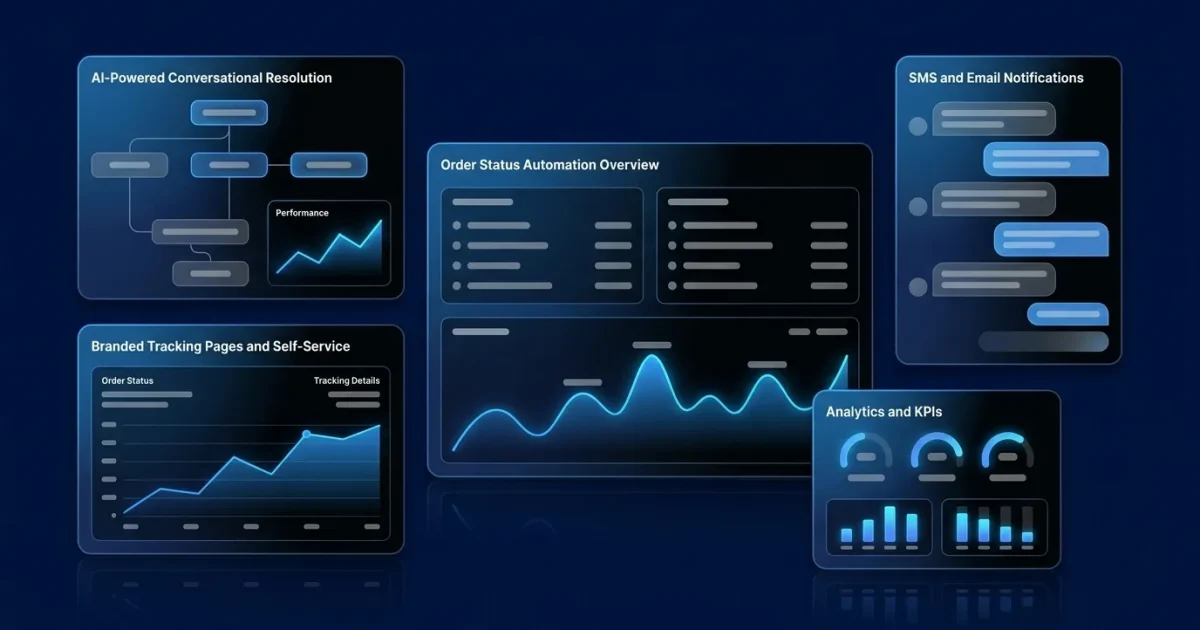
- The three-layer approach of triggered notifications, self-service tracking, and AI conversational resolution covers proactive updates and the remaining conversational inquiries that survive earlier layers.
- Merchants using all three layers often see payback periods under 14 days and can reach very high deflection rates on WISMO inquiries.3
- Plura AI delivers the final conversational layer that resolves remaining WISMO inquiries via SMS in under 5 seconds; see how Plura AI can eliminate your WISMO tickets.3
The True Cost of WISMO for Ecommerce Teams
Narvar’s 2025 Consumer Report confirms that WISMO inquiries represent 35-45% of all ecommerce support tickets, which makes them the single largest category of customer service volume.4 Each interaction costs $4-$12 to handle. For a mid-sized retailer moving 50,000 orders a month, that level of volume adds up to tens of thousands of dollars in preventable spend every quarter.
The anxiety timeline compounds that cost. UPS post-purchase research found that after 48 hours without an update, 54% of customers begin worrying about their order. By 72 hours, 31% contact support. By day five, 18% consider the order lost regardless of the actual delivery timeline.
The downstream damage extends beyond ticket volume. DigitalGenius reports that 69.7% of shoppers are less likely to repurchase after a delayed package if they are not kept informed. The flip side is equally clear: customers who receive proactive delay notifications are 2.4x more likely to repurchase than customers who discover delays on their own.
As Garrett Mullins, Workflow Specialist at US Tech Automations, put it: “Every WISMO ticket represents a communication failure, not a delivery failure. The package is almost always in transit exactly as expected. The customer just does not know that.”
Narvar’s analysis shows the typical ROI payback period for shipping notification automation is under 14 days for stores receiving more than 10 WISMO tickets monthly. For most ecommerce operations teams, order status automation becomes the most efficient post-purchase improvement they can make.
Ready to cut your WISMO ticket volume? See Plura in a live walkthrough and review AI-powered order status automation in practice.
The Three Layers of Order Status Automation
Most merchants stop at Layer 1, while top-performing brands layer all three. Each layer addresses a different slice of the WISMO problem, and each successive layer handles the inquiries the previous one did not deflect.
Layer 1: Triggered Email and SMS Notifications
Layer 1 starts with automated messages triggered by order events such as confirmed, shipped, out for delivery, and delivered. These notifications intercept customer anxiety before it becomes a support ticket.
Mailchimp identifies four essential SMS order updates: order confirmation sent immediately after checkout, a shipping update with tracking link sent when the order leaves the warehouse, a delivery confirmation sent within minutes of arrival, and a post-delivery follow-up sent three to five days later.4 Klaviyo data shows SMS open rates for shipping notifications reach 98% versus 42% for email, and customers who opt into SMS shipping updates carry 28% higher satisfaction scores than email-only recipients.
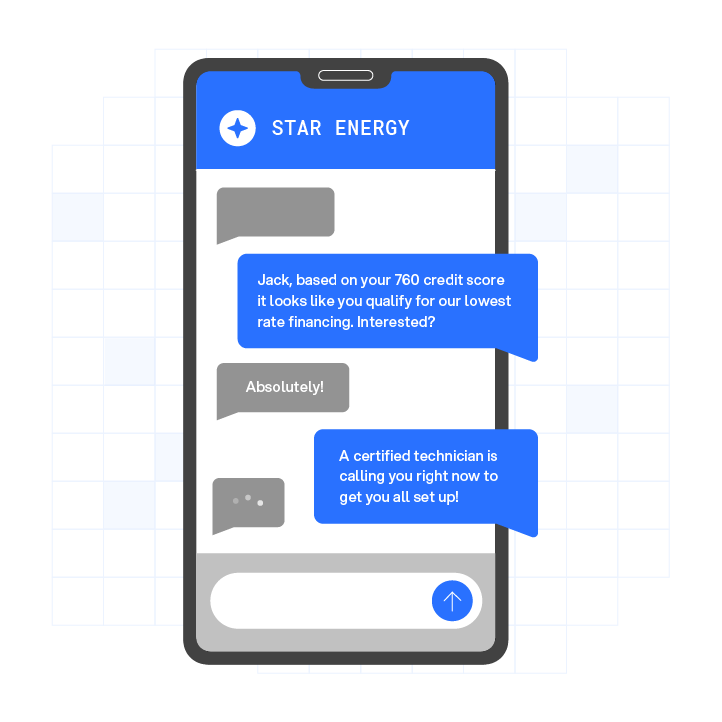
Channel mix plays a direct role in WISMO volume. UPS channel effectiveness data shows that combining email and SMS reduces WISMO inquiries by 23% more than either channel alone. Email handles receipts and detailed information. SMS handles high-urgency events like “out for delivery.”
Volume discipline matters equally. Narvar’s consumer research identifies 4-6 proactive notifications per order as the sweet spot for standard shipping. More than eight notifications often triggers notification fatigue and increases unsubscribe rates by 23%.
Layer 2: Branded Tracking Pages and Self-Service
Branded tracking pages give customers a single destination to check their order status without contacting support. Shipink’s guide reports that branded tracking pages can deflect 40-75% of standard WISMO inquiries on their own. When paired with proactive shipment notifications, deflection can rise to 60-90%.
The commercial upside extends beyond deflection. Narvar data shows branded tracking pages generate 3.2x more repeat visits than carrier tracking pages and convert 8% of tracking views into new purchases. Every tracking visit becomes a brand touchpoint rather than a carrier handoff.
The limitation of this layer is structural because it requires the customer to take action. Customers who do not click through to the tracking page still contact support, which is exactly the gap Layer 3 addresses.
Layer 3: AI-Powered Conversational Resolution
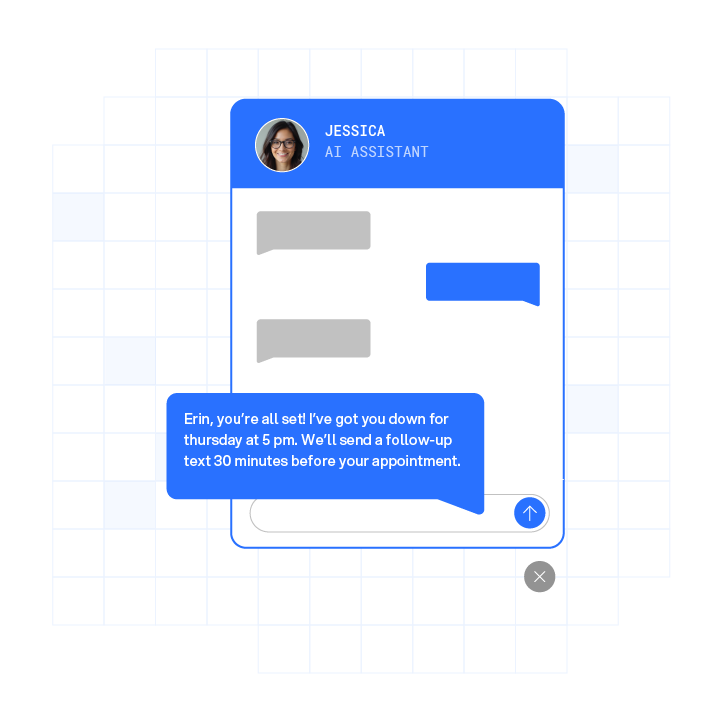
AI agents answer “where is my order” queries conversationally via SMS or chat by connecting directly to live order databases. The customer texts in. The agent retrieves the live tracking status, and the response arrives in seconds, with no human agent involved.
Salesforce’s State of Service: AI Agents Edition report found that 66% of customer service organizations were running AI agents in 2026, up from 39% in 2025,4 which represents a 1.7x jump in a single year. A well-implemented AI agent handling WISMO queries can achieve very high deflection rates for that inquiry type.
Plura’s AI customer service texting platform connects directly to live order data and responds conversationally in under 5 seconds, on 100% U.S. infrastructure. For ecommerce operations teams processing 1,000-20,000+ orders monthly, the remaining conversational WISMO load that survives Layers 1 and 2 gets resolved automatically, without adding headcount.
How Order Status Automation Runs Behind the Scenes
- Order Capture: Your ecommerce platform (Shopify, WooCommerce, etc.) records the purchase and triggers the automation sequence.
- Fulfillment Sync: Your fulfillment system or third-party logistics provider (3PL) generates a tracking number and syncs status updates back to your store.
- Trigger Configuration: Your notification platform detects status changes (fulfilled, in transit, out for delivery, delivered) and fires the appropriate message.
- Multichannel Delivery: Customers receive updates via their preferred channel. Email handles receipts and detailed information, and SMS handles high-urgency events like “out for delivery.”
- Self-Service Tracking: Customers click through to a branded tracking page for real-time visibility without contacting support.
- AI Resolution: For customers who still reach out via SMS or chat, an AI agent retrieves live order data and answers conversationally in seconds.
- Escalation with Context: Complex issues such as delivery exceptions, refunds, or address changes escalate to human agents with full conversation context already captured.
Now that the workflow is clear, the next step is choosing the right tools for each layer in your stack.
Choosing Your Stack: Tool Categories Compared
To decide which tool category fits your operation, compare how each handles WISMO reduction, its best use case, and its key limitation.
| Capability | Email/SMS Platforms | Tracking Platforms | AI Agents |
|---|---|---|---|
| Primary Function | Triggered marketing and transactional messages | Carrier tracking consolidation and branded tracking pages | Conversational resolution of order status inquiries |
| WISMO Reduction | 50-70% with 5+ proactive touchpoints | 40-75% deflection via branded tracking pages | Very high deflection on WISMO inquiries |
| Best For | Stores with strong email/SMS lists wanting automated post-purchase flows | Stores with high tracking-page traffic seeking self-service deflection | Stores wanting to resolve the remaining conversational inquiries automatically |
| Key Limitation | Cannot handle conversational follow-ups or exceptions | Requires customer initiative to visit tracking page | Requires integration with live order data and CRM |
See how Plura fits into your existing stack. Walk through a tailored Plura demo that follows your order status workflow and volumes.
Implementation Guide for Shopify and WooCommerce
Shopify Order Status Automation
Shopify Flow, available free on Basic plans and above, allows merchants to create automated workflows using triggers, conditions, and actions without coding. Native options include automatic fulfillment notifications, order routing based on inventory levels, and order tagging for high-risk review. Third-party apps connect tracking data and trigger multichannel messages across email and SMS. AI agents integrate via API to access live order data and respond conversationally to inbound customer inquiries.
WooCommerce Order Status Automation
WooCommerce’s plugin ecosystem connects store data to email and SMS platforms and tracking services. Webhook-based triggers fire on order status changes and feed downstream notification tools. AI agents access live order data via REST API (Representational State Transfer, the standard web interface for connecting systems) for conversational resolution of inbound WISMO inquiries. The integration path is more manual than Shopify’s native tooling. The underlying automation logic still follows the same seven-step workflow described above.
Once your automation is live, you need to track whether it is actually working. The following four KPIs provide that signal.
Measuring Success with Order Status Automation KPIs
Four metrics define whether your order status automation program delivers the impact you expect.
WISMO Rate is calculated as WISMO contacts divided by total orders shipped, multiplied by 100. ClickPost’s benchmark ladder, based on D2C brand data from 2024 and 2025, categorizes rates above 25% as critical, 8-15% as average, and below 4% as top-performing.
Cost per Contact benchmarks for ecommerce and retail in 2026, per The Office Gurus’ 2026 planning targets, are $7-$12 for voice, $4-$7 for chat, $5-$9 for email, and $0.10-$0.40 for self-service. AI-enabled triage can shave 10-25% off those figures in channels where teams implement it effectively.
Deflection Rate measures the share of would-be WISMO inquiries resolved before reaching a human agent. Shipink recommends tracking this as a monthly ratio rather than an absolute count, because absolute count moves with volume while the ratio shows whether the process genuinely improved.
CSAT and Repeat Purchase Rate close the loop on whether automation actually serves customers. As mentioned earlier, proactive delay notifications boost repurchase likelihood significantly. Tracking repeat purchase rate alongside deflection rate confirms that automation resolves issues instead of simply pushing contacts away from agents.
Run your current WISMO cost through Plura’s ROI calculator to see what the numbers look like for your order volume.
Frequently Asked Questions
How much does order status automation reduce support tickets?
Proactive shipping notifications can reduce WISMO tickets by 50-70% within 60 days, based on industry benchmarks from leading ecommerce platforms. The reduction scales with the number of notification touchpoints, and stores sending five or more proactive updates per order see the largest decreases. As covered earlier, adding AI-powered conversational resolution on top allows teams to deflect the vast majority of remaining WISMO inquiries and reserve agents for true exceptions.
What is the difference between order tracking and order status automation?
Order tracking gives customers a link to check their package status manually. Order status automation proactively pushes updates to customers via email, SMS, or other channels based on fulfillment events, without requiring the customer to take any action. In advanced implementations, AI agents answer follow-up questions conversationally via SMS or chat, retrieving live order data and responding in seconds without a human agent involved. The distinction matters operationally. Tracking is reactive, automation is proactive, and AI resolution fills the conversational gap between them.
Can AI agents really handle “where is my order” questions?
Modern AI agents connect directly to live order databases and respond conversationally via SMS or chat in under five seconds. As noted earlier, well-deployed AI agents can deflect the vast majority of WISMO inquiries and escalate only complex exceptions such as delivery failures, address changes, or refund disputes to human agents with full conversation context already captured. The key requirement is a live integration between the AI agent and your order management system so the agent reads actual tracking data rather than a static knowledge base.
What is the ROI of order status automation?
Narvar’s analysis shows typical payback under 14 days for stores receiving more than 10 WISMO tickets monthly. A DTC skincare brand case study documented in industry research showed monthly WISMO tickets dropping from 320 to 112, support cost per order falling from $4.80 to $1.68, and a monthly net impact of +$5,832 after implementing shipping automation, including support cost savings and tracking page revenue. As mentioned earlier, AI-powered conversational resolution further improves ROI by shifting remaining inbound inquiries away from human-handled WISMO contacts.
How do Shopify and WooCommerce connect to order status automation tools?
Shopify connects natively via Shopify Flow for order-event logic and through the app ecosystem for multichannel notifications and tracking pages. AI agents integrate via API to access live order data. WooCommerce uses webhook-based triggers that fire on order status changes and feed downstream notification platforms and tracking services. AI agents access WooCommerce order data via REST API. Both platforms support the full three-layer automation stack described in this guide, and Shopify’s native tooling reduces the integration complexity at Layer 1.
The Final Layer Most Merchants Are Missing
Triggered notifications cut WISMO volume by a large share. Branded tracking pages deflect another meaningful portion. The remaining 10-50% of inquiries that survive both layers are conversational, from customers who texted in, called, or messaged because they needed a real answer instead of another link to click.
That gap is where Plura delivers value. Plura’s order status automation layer connects directly to your live order data, responds conversationally via SMS in under 5 seconds, and escalates complex exceptions to human agents with full context. It runs on 100% U.S. infrastructure, supports compliance with TCPA, DNC, SOC 2, HIPAA, and GDPR frameworks, and delivers strong ROI within typical 90-day windows.1,2 Plura integrates with Shopify, WooCommerce, and 50+ other tools via Plura’s integrations directory.
Many merchants stop at Layer 1 or Layer 2 and treat the remaining WISMO load as a fixed cost of doing business. Brands that remove that cost add the AI resolution layer on top.
Ready to eliminate WISMO tickets at scale? Explore a live Plura session and see the full three-layer automation stack in action.
1 Plura AI maintains SOC 2, HIPAA, ISO, and GDPR posture as part of its platform infrastructure. References to compliance frameworks in this article describe Plura’s platform capabilities and do not constitute a guarantee that any customer using Plura will themselves be compliant with applicable laws or standards. Customers remain solely responsible for their own regulatory obligations, certifications, consent management, recordkeeping, and the claims they make to their own end users. Consult qualified legal counsel for guidance specific to your use case.
2 This article describes regulatory frameworks at a general level and does not constitute legal advice. Laws and regulations vary by jurisdiction, change over time, and apply differently depending on facts and circumstances. Readers should consult qualified legal counsel before making compliance decisions.
3 Performance figures, customer outcomes, and industry statistics referenced in this article are drawn from cited third-party sources or Plura customer case studies. Individual results vary based on implementation, use case, industry, audience, and execution. Past or aggregate performance is not a guarantee of future results.
4 References to third-party products, services, companies, or research are made for informational and comparative purposes only. Plura AI is not affiliated with, endorsed by, or sponsored by any third party named in this article unless explicitly stated. Trademarks and product names referenced remain the property of their respective owners.
This article is provided for informational purposes only and reflects Plura AI’s understanding at the time of publication. Product capabilities, integrations, and specifications are subject to change. For the most current information, visit plura.ai.
This article was produced with the assistance of AI tools and reviewed by Plura AI prior to publication.