
Written by: Matt Beucler, CEO, Plura AI
Updated September 2026
Key Takeaways
- Franchise missed call recovery detects unanswered calls at every location and engages callers via SMS or AI voice within seconds to protect revenue.
- Missed calls create a structural revenue leak across multi-location networks, with 67% of peak-hour calls going unanswered and 58% of callers never leaving a voicemail.
- Speed-to-lead drives conversion: contacting leads within 60 seconds makes them 391% more likely to convert, while conversion rates drop 10x after the first 5 minutes.
- Effective implementation uses four components: instant detection, automated text-back, AI qualification and booking, and centralized routing with performance visibility across all locations.
- Plura AI delivers consistent, compliant missed call recovery across every franchise location. See the system in action with a live demo.
Why Missed Calls Are a Franchise Revenue Leak
Franchise networks face a structural problem that single-location businesses do not. The same missed call issue repeats at every unit, and the performance gap between best and worst locations can reach 3x to 5x across a system. When a local franchise misses a call during peak hours, that caller usually moves on to the next business on Google.
The unit-level math is direct:
- Franchises average a 67% missed call rate during peak hours3.
- The claim that 85% of callers who reach voicemail never leave a message or call back is unverifiable folklore. Verified data from CallRail’s 2025 survey shows only 42% of consumers leave a voicemail when a call goes unanswered, meaning roughly 58% do not4. The call is often lost, not delayed.
The speed-to-lead penalty makes recovery urgent:
- Industry research cited by Plura indicates that contacting a lead within 5 minutes makes them up to 100x more likely to connect.
- Lead conversion rates drop 10x after the first 5 minutes.
- Leads contacted within 60 seconds are 391% more likely to convert than those contacted later, according to industry research cited by Plura3.
For a franchise network, the revenue leak is a system-wide drag on enterprise value, not a single location’s problem. A 20-location network missing 30% of peak calls at each unit loses revenue at a scale that belongs on a board agenda. Run your numbers through Plura’s ROI calculator to quantify the gap across your network.
See a Live Demo of Plura’s Missed Call Recovery and watch how it performs across a multi-location network.
How Franchise Missed Call Recovery Works Across Locations
Franchise missed call recovery systems use four integrated components that work together to capture and convert callers who would otherwise be lost.
1. Instant Detection
The system integrates with each location’s phone system to flag unanswered calls immediately. When a call rings through and no staff member answers within the configured threshold, the platform flags the missed call in real time. The event record captures the caller’s number, the location dialed, and the timestamp.
2. Automated Text-Back
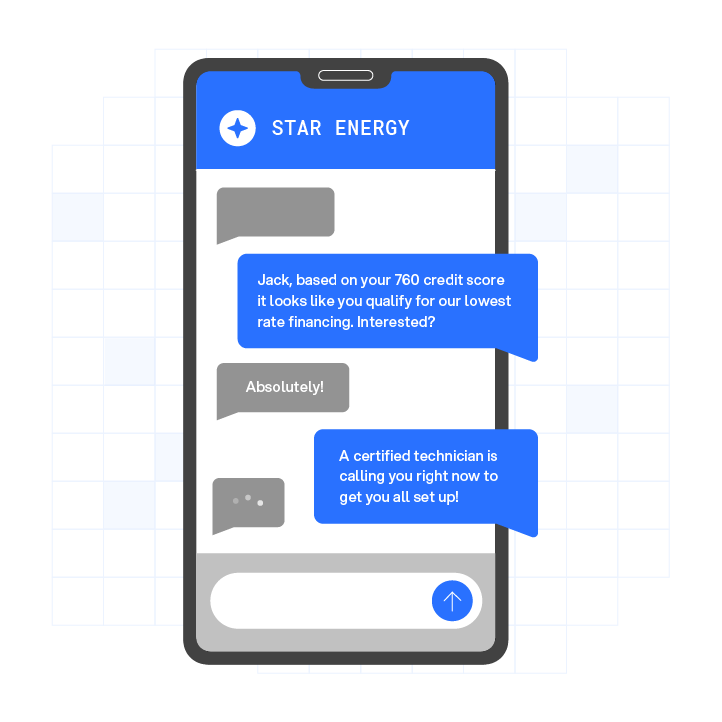
Within 30–60 seconds of the missed call, the system sends a branded SMS to the caller. The message acknowledges the missed call, identifies the business, and invites the caller to continue the conversation by text. Plura’s AI SMS contacts leads from websites, Google Business Profiles, or ad campaigns within 60 seconds. The same service-level agreement applies to missed call recovery.
3. AI Qualification and Booking
When the caller responds to the text, an AI agent engages them in a conversational flow. The AI answers common questions from a controlled knowledge base, checks availability, qualifies the lead’s intent, and books the next step. That step may be an appointment, a service call, or a transfer to a human team member. Plura’s AI voice agents answer inbound calls across franchise locations within two rings, with an identical greeting and qualification flow at every location.
4. Centralized Routing and Visibility
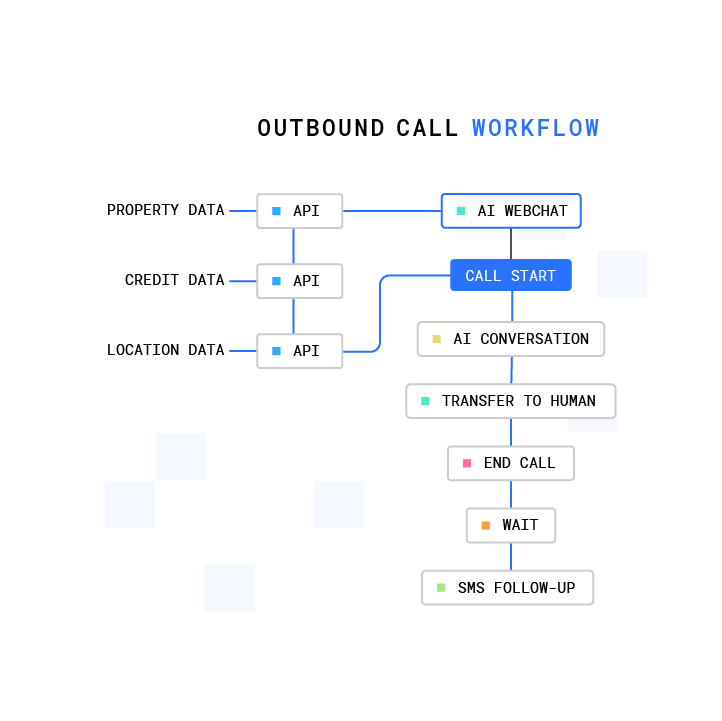
Every recovered interaction is logged into a shared CRM or centralized dashboard. The system alerts local staff to the recovered lead, routes urgent requests to a human when needed, and gives corporate operators visibility into per-location performance. Plura enables franchises to handle 3x to 5x call volume during peak seasons without temporary staff, because the AI handles the overflow.
Implementation Options for Franchise Networks
Franchise operators have three primary implementation paths for missed call recovery. Each path carries different trade-offs across cost, capability, and control.
| Implementation Option | How It Works | Best For | Limitations |
|---|---|---|---|
| SMS-Only Text-Back | Detects missed calls and sends an automated text, and the conversation continues via human reply | Single locations with low volume, budget-constrained operators | No qualification, no booking, relies on staff to monitor and reply to texts |
| AI Receptionist / Voice Agent | AI answers calls live, qualifies callers, books appointments, and handles common questions 24/7 | Locations that need after-hours call answering and immediate call answering | Per-location configuration can create inconsistency across a network |
| Enterprise AI Layer (Plura AI) | Centralized platform with AI voice, AI SMS, and stateful conversation memory deployed identically across all locations | Multi-location franchise networks and corporate franchisors | Requires network-level commitment and a structured rollout process |
For franchise networks, the enterprise layer solves the consistency problem at its root. Plura enforces identical greeting, qualification, and service-level agreements across every location, closing the 3x to 5x performance gap between best and worst units that affects many multi-unit systems. AI deploys in days versus 2–4 weeks of training per new front-desk hire. A centralized dashboard tracks metrics across every location. Compare plans and rates to find the right fit for your network.
The Multi-Location Rollout Playbook
Implementing missed call recovery across a franchise network requires more than purchasing software. It requires a structured rollout that ensures every location adopts the system consistently.
Step 1: Pilot on a Representative Location
Many enterprises pilot on the best-run location and then extrapolate network results. That location’s answer rate often sits above average, which makes improvement look smaller than it would be for a struggling location. Select a pilot location that represents the network median or one that is underperforming. Measure the baseline: calls received, calls answered, missed calls, and estimated revenue lost per week.
Step 2: Standardize Scripts and Workflows
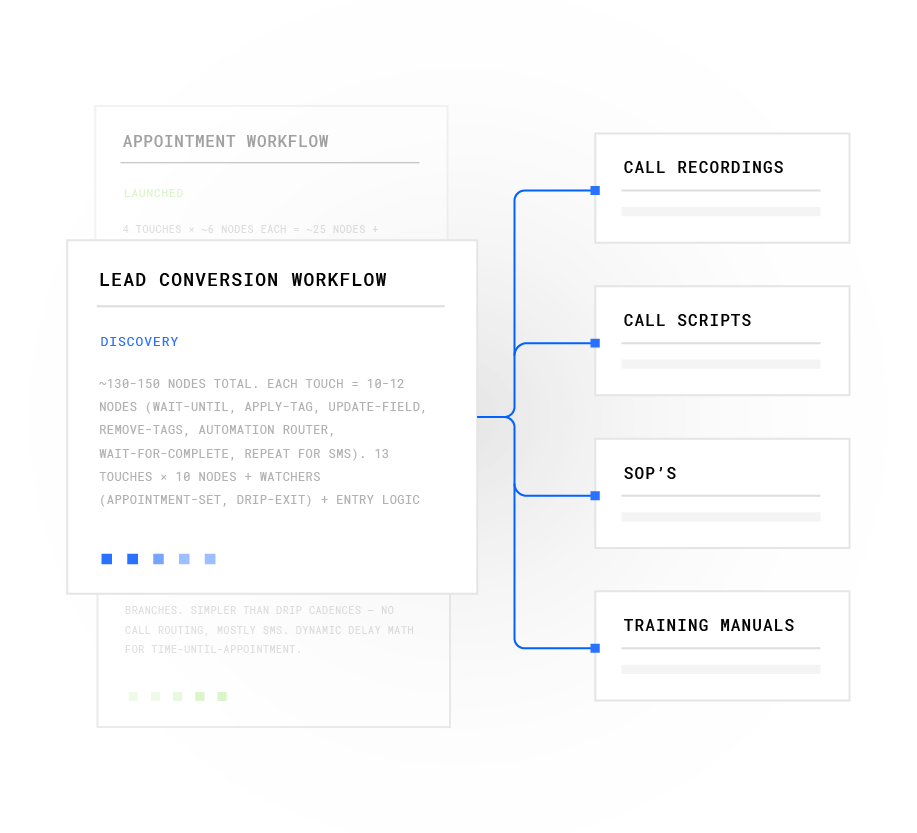
Before deploying across the network, standardize the AI’s greeting, qualification questions, booking flow, and escalation rules. Every location must handle calls identically. Plura’s no-code workflow builder allows corporate operators to design conversation logic once and deploy it across every location.
Step 3: Train Local Staff on Escalation and Handoff
The AI handles routine calls, and local staff handle escalations. Define clear rules for when the AI transfers to a human, such as angry callers, out-of-policy requests, high-value or complex jobs, existing customers with history, or callers who specifically ask for a person. To make those handoffs effective, the AI collects context before transferring, so staff receive a summary like “New lead: Sarah in Plano, AC not cooling, wants tomorrow appointment” instead of just “someone called.”
Step 4: Monitor Per-Location Performance
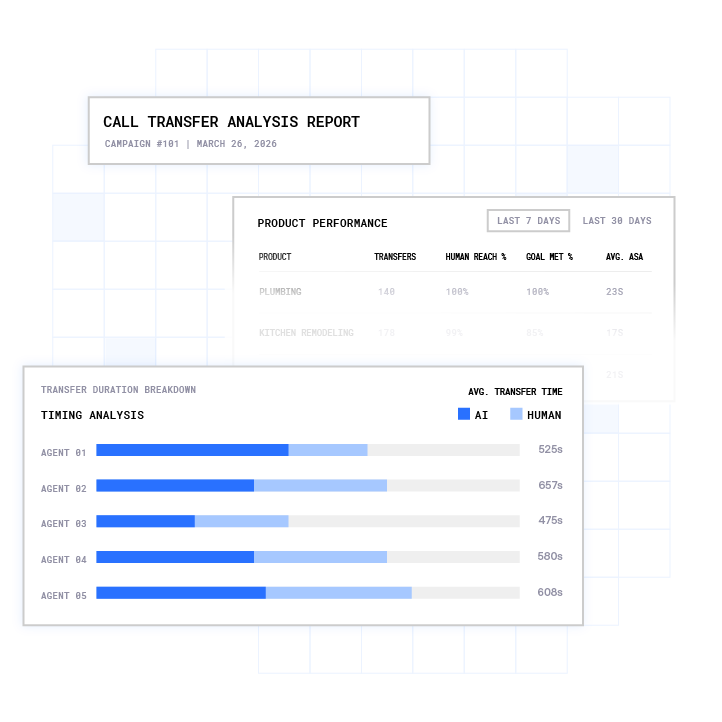
Deploy the centralized dashboard and review per-location metrics weekly. Focus on call answer rate, missed call recovery rate, response time, and recovered revenue. Plura’s conversation intelligence dashboard gives corporate operators visibility into lead response times and conversion rates across every location.
Step 5: Scale and Iterate Across the Network
Once the pilot location demonstrates results, roll out to the full network in waves. Use the centralized dashboard to identify locations that need additional training or workflow adjustments. Plura runs every deployment like a CRO test, with continuous conversation engineering and real-call monitoring.
Walk Through Your Rollout Plan in a Live Demo tailored to your network size and franchise category.
Measuring ROI Across Franchise Locations
Franchise missed call recovery ROI should be measured at both the unit level and the network level. The core formula is straightforward:
Monthly Missed Calls x Close Rate on Recovered Leads x Average Job Value = Recoverable Monthly Revenue
Track these metrics consistently across every location:
- Call answer rate: Percentage of inbound calls answered live (target: 100% with AI recovery)
- Missed call recovery rate: Percentage of missed calls that result in a text conversation or callback
- Recovery response time: Time between missed call and first AI contact (target: under 60 seconds)
- Revenue recovered per location: Recovered calls x close rate x average ticket value
- Performance gap: Variance between best and worst location on answer rate and recovery rate
- Cost per recovered call: Platform cost divided by recovered calls
A multi-unit franchise owner in home services reported: “We went from missing 40% of our calls across 12 locations to answering 100% of them. Our booking rate doubled and we did it without adding a single receptionist.”3 Organizations deploying AI for speed to lead see response times drop from hours to seconds and connection rates increase by 3x to 5x. Use Plura’s ROI calculator to model the recoverable revenue across your specific network.
Compliance and Brand Consistency for Multi-Location Networks
Franchise networks face a compliance challenge that single-location businesses do not. Every location operates under the same brand but may be subject to different state regulations. A centralized missed call recovery platform must support compliance enforcement at the system level. The following describes relevant frameworks, and franchise operators should consult qualified counsel for their specific obligations.
- TCPA consent: Automated text messages sent to mobile numbers are treated as calls under the TCPA (47 U.S.C. § 227).1 Missed call text-back workflows are generally transactional in nature because the caller initiated contact. Consent language should be clear and specific to the brand, particularly for franchise networks with multiple locations or entities.
- Opt-out handling: A “STOP” reply should suppress future messaging automatically and be logged with a timestamp for audit purposes. The FCC’s rule at 47 CFR 64.1200(a)(10) addresses opt-out request handling timelines1, and systems should be designed to honor opt-outs promptly.
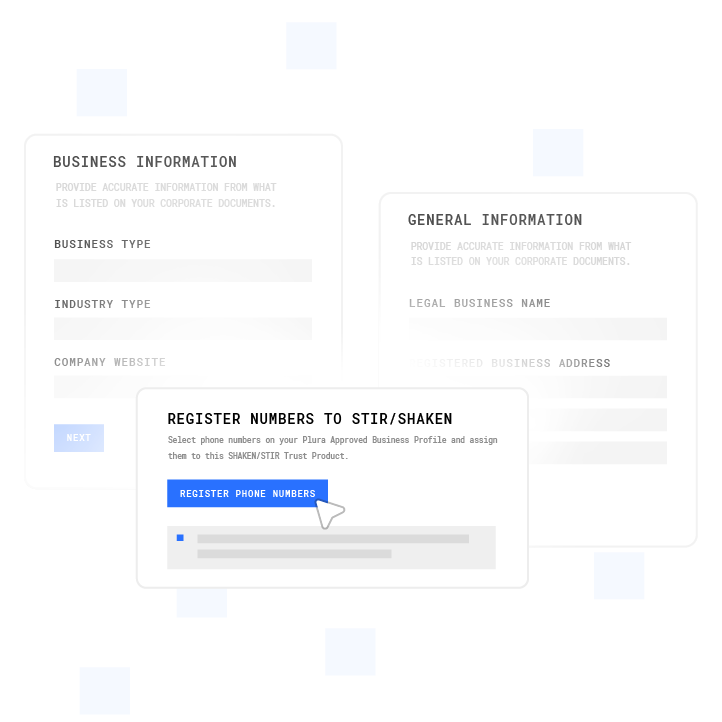
- 10DLC registration: US carriers require business text messages to be registered through the A2P 10DLC program.1 Skipping this step can cause messages to be filtered as spam and undermine the recovery workflow.
- Quiet hours: Federal TCPA rules describe telemarketing call windows between 8:00 AM and 9:00 PM in the consumer’s local time zone, and many states describe tighter windows. Plura supports compliance with quiet-hours rules through time-zone detection on the contact.
- Brand consistency: Every location should use the same greeting, the same qualification flow, and the same booking confirmation. Plura enforces system-level scripts, disclosures, DNC lists, and state regulation support across every location.
Plura supports TCPA compliance and DNC compliance with real-time scrubbing, immutable consent logging, and automated quiet-hours enforcement built into the platform. See Plura’s SMS guidelines for additional detail on how the platform is structured to support compliant messaging workflows.
Frequently Asked Questions
How Much Do Businesses Lose from Missed Calls?
The cost varies by industry and ticket value, and the model stays consistent: missed calls x close rate x average job value = lost revenue. A home services business missing 30 calls per week at a $200 average job value could recover approximately $1,200 weekly (about $62,400 annually) using a missed-call text-back system at a 20% recovery rate. At the network level, a 20-location franchise missing 30% of peak calls at each unit loses revenue at a scale that belongs on a board agenda. The roughly 58% of callers who do not leave a voicemail means a missed call usually represents a missed customer. The Plura ROI calculator at plura.ai/calculator allows operators to model this with their own call volume, close rate, and average ticket.
How Can I Set Up a Missed Call Text-Back Automation for My Franchise?
The core components are a phone system that exposes missed-call events as triggers, an SMS-capable business number registered for A2P 10DLC, an AI agent to handle the conversation after the first automated reply, and a centralized dashboard for monitoring. For franchise networks, the platform must support identical configuration across all locations, including the same greeting, qualification flow, and booking process, with centralized visibility into per-location performance. Plura’s no-code workflow builder allows corporate operators to design conversation logic once and deploy it across every location, with per-location metrics tracked in a single dashboard.
What Is the Difference Between SMS-Only Text-Back and AI-Powered Recovery?
SMS-only text-back sends an automated message and then stops, so the conversation relies on a human monitoring and replying to texts. AI-powered recovery continues the conversation. The AI qualifies the lead, answers common questions from a controlled knowledge base, checks availability, books appointments, and escalates to a human when needed. For franchise networks, AI-powered recovery ensures every caller gets the same quality of engagement regardless of which location they called or what time they called. The AI also collects context before any human handoff, so staff receive a structured summary rather than a raw callback request.
How Quickly Should a Franchise Respond to a Missed Call?
Franchises should respond within seconds. Industry research cited by Plura indicates that contacting a lead within 5 minutes makes them up to 100x more likely to connect. Lead conversion rates drop 10x after the first 5 minutes. Plura contacts missed callers within 60 seconds via AI SMS or AI voice call, so recovery happens while the caller is still engaged and before they reach the next business on Google.
How Does Plura AI Handle Compliance Across Multiple Franchise Locations?
Plura supports TCPA compliance and DNC compliance at the platform level, not as a bolt-on. Every outbound contact is checked against federal and state DNC registries in real time before dial. Consent records are timestamped and immutable. Quiet-hours rules enforce automatically through time-zone detection on the contact. The compliance dashboard exports audit-ready reports for legal review or carrier requirements. For franchise networks operating across multiple states, Plura’s system-level enforcement applies the same compliance infrastructure at every location. Franchise operators remain responsible for their own regulatory obligations and should consult qualified counsel for jurisdiction-specific requirements.
Turning Missed Calls Into a Network-Level Revenue System
Every missed call at every franchise location represents revenue that often goes to a competitor who picked up the phone. For multi-location networks, the problem compounds across every unit, and the gap between best and worst performing locations can reach 3x to 5x across a system. The recovery system described here closes that gap by standardizing detection, response, and qualification at the network level.
Plura AI is built for the operational reality of franchise networks. Its AI voice agents answer inbound calls across franchise locations within two rings, with identical greeting and qualification at every location. Its AI SMS contacts missed callers within 60 seconds, recovering opportunities before they go cold. Its conversation intelligence dashboard gives corporate operators visibility into per-location performance, and its compliance infrastructure supports scripts, DNC lists, and state regulation enforcement at the system level.
Franchise owners and operators have already seen the results, such as answering 100% of calls across 12 locations and doubling booking rates without adding a single receptionist. The next step is to quantify what your own network is losing and pilot the rollout on a representative location.
Schedule a Live Demo of Plura for Your Franchise Network and map missed call recovery to your current call volume and revenue targets.
1 Plura AI maintains SOC 2, HIPAA, ISO, and GDPR posture as part of its platform infrastructure. References to compliance frameworks in this article describe Plura’s platform capabilities and do not constitute a guarantee that any customer using Plura will themselves be compliant with applicable laws or standards. Customers remain solely responsible for their own regulatory obligations, certifications, consent management, recordkeeping, and the claims they make to their own end users. Consult qualified legal counsel for guidance specific to your use case.
2 This article describes regulatory frameworks at a general level and does not constitute legal advice. Laws and regulations vary by jurisdiction, change over time, and apply differently depending on facts and circumstances. Readers should consult qualified legal counsel before making compliance decisions.
3 Performance figures, customer outcomes, and industry statistics referenced in this article are drawn from cited third-party sources or Plura customer case studies. Individual results vary based on implementation, use case, industry, audience, and execution. Past or aggregate performance is not a guarantee of future results.
4 References to third-party products, services, companies, or research are made for informational and comparative purposes only. Plura AI is not affiliated with, endorsed by, or sponsored by any third party named in this article unless explicitly stated. Trademarks and product names referenced remain the property of their respective owners.
This article is provided for informational purposes only and reflects Plura AI’s understanding at the time of publication. Product capabilities, integrations, and specifications are subject to change. For the most current information, visit plura.ai.
This article was produced with the assistance of AI tools and reviewed by Plura AI prior to publication.