
Written by: Matt Beucler, CEO, Plura AI
Key Takeaways
- iOS 26 Call Screening intercepts calls from unsaved numbers and prompts callers to state their name and reason before the recipient’s phone rings.
- The feature offers three modes, Never, Ask Reason for Calling, and Silence, each balancing user control with different levels of call friction.
- Outbound sales and contact center teams see lower contact rates when automated dialers produce no response to the screening prompt, which causes calls to terminate.
- Effective navigation of iOS 26 screening depends on branded caller ID and real-time voice responses that satisfy the prompt before the recipient decides to answer.
- Plura AI’s carrier-grade voice infrastructure and AI voice agents respond to screening prompts in real time, which preserves contact rates at scale for high-volume outbound programs.
Why iOS 26 Call Screening Matters for Users and Outbound Teams
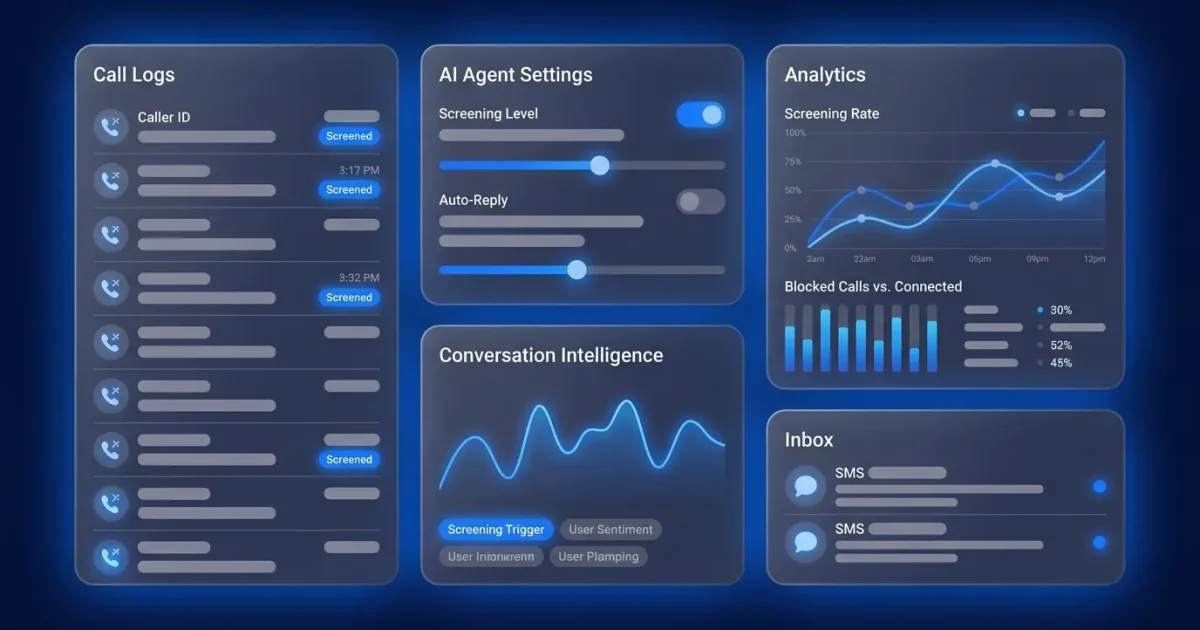
iOS 26 Call Screening, released September 15, 2025, extends Live Voicemail by automatically answering calls from numbers not saved in the recipient’s contacts and prompting the caller to identify themselves before the iPhone rings. The feature is opt-in and disabled by default, and adoption among privacy-conscious users is growing.
The feature offers three modes under Settings > Apps > Phone > Screen Unknown Callers:
- Never: Calls from unsaved numbers ring normally and appear in Recents.
- Ask Reason for Calling: The iPhone answers the call silently, plays a prompt asking the caller for their name and reason, transcribes the response, and then rings the recipient.
- Silence: Unsaved numbers are sent directly to voicemail and logged in Recents without ringing.
For outbound teams, the operational impact is direct. When a prospect has Ask Reason for Calling active, an automated dialer that produces no audio response to the screening prompt causes the call to end without ever ringing. Agents using parallel dialers or predictive systems that connect a live agent only after a pickup are particularly exposed, because the screening prompt fires before any human is on the line to respond.
How to Turn On iOS Call Screening and Confirm It Works
Prerequisites: A device compatible with iOS 26.
- Open Settings. Tap the Settings app on your home screen or App Library.
- Navigate to Phone settings. Scroll down and tap Apps, then tap Phone. On iPhone 16 Pro, the full path is Settings > Apps > Phone.
- Locate Screen Unknown Callers. Scroll to the Screen Unknown Callers section. If the section does not appear, confirm your device model and iOS version meet the prerequisites above.
- Select your mode. Tap one of the three options, Never, Ask Reason for Calling, or Silence. The selection saves automatically.
- Verify Call Forwarding is off. Return to the Phone settings screen and confirm Call Forwarding is disabled. Active call forwarding prevents calls from reaching the device and triggering screening.
Optional verification step: Ask a colleague to call from a number not saved in your contacts. Confirm the screening prompt fires as expected and the transcript appears before your phone rings.
To filter calls in the Phone app directly, open the Phone app, tap the Calls tab, tap the Filter button in the upper-right corner, and select Unknown Callers. Tapping Manage Filtering at the bottom of that menu surfaces additional carrier-dependent spam filtering options.
Choosing the Right Mode for Your Call Volume
The three modes create different experiences for both caller and recipient, with clear tradeoffs between call friction and user control.
| Mode | What the caller experiences | What the recipient experiences | Best fit |
|---|---|---|---|
| Never | Normal ringing, no prompt | Phone rings immediately for all numbers | Users who frequently receive calls from new or unfamiliar numbers (sales, recruiting, field services) |
| Ask Reason for Calling | Hears a prompt asking for their name and reason for calling. Phone rings after transcript is generated. | Phone rings approximately 30 seconds after caller responds, with a live transcript displayed before answering. | Users who want caller context without missing legitimate unknown calls |
| Silence | Call routes to voicemail with no ring on recipient’s device | Missed call and voicemail logged in Recents, no interruption | Users who rarely need to receive calls from unsaved numbers |
Decision framework: If your role requires receiving calls from new contacts regularly, Never is the lowest-friction option. If you want a filter without missing legitimate callers, Ask Reason for Calling provides a transcript before you commit to answering. If unsolicited calls are a persistent problem and you can manage callbacks, Silence keeps the log without the interruption. Note that third-party caller ID and spam-filter apps can prevent Call Screening from intercepting calls if they are enabled under Settings > Apps > Phone > Call Blocking & Identification.
Fixing Common iOS Call Screening Issues
Screen Unknown Callers section does not appear in settings. Confirm the device is running iOS 26 and that the language and region settings match a supported locale. Devices set to an unsupported language do not display the option.
Calls still ring without triggering the screening prompt. Three common causes apply here:
- The caller’s number is already saved in your contacts. Call Screening only intercepts numbers not saved in the address book.
- Low Power Mode is active, so disable it and retest.
- A third-party call-blocking app is intercepting the call before iOS screening activates. Check Settings > Apps > Phone > Call Blocking & Identification and disable conflicting apps.
Settings revert after restart. Check for a pending carrier settings update and an iOS software update. If the issue persists, reset network settings via Settings > General > Transfer or Reset iPhone > Reset > Reset Network Settings. This erases saved Wi-Fi passwords and VPN configurations.
Carrier compatibility. Call Screening functions as a device-side feature. Users on smaller providers or MVNOs (mobile virtual network operators) should confirm compatibility directly with their carrier.
Measuring Screening Results and Refining Your Setup
After enabling Call Screening, review the Recents tab in the Phone app over a 48-hour window. Calls that reached the screening prompt and resulted in a transcript but no answer indicate the feature is working. Calls that went directly to voicemail without a transcript suggest the Silence mode is active or a third-party app intercepted the call first.
Once you understand how calls are being filtered through your Recents review, you can refine your setup further. Combining Ask Reason for Calling with the Silence Unknown Callers toggle, a separate setting that silences calls from numbers not in Contacts, Recents, or Mail/Messages, creates a layered filter. Use this combination only if you actively monitor voicemail, because legitimate callers who do not respond to the prompt do not ring through.
Impact on high-volume outbound programs. For contact center and sales operations, iOS 26 Call Screening creates a structural problem. As noted earlier, predictive dialers that connect a live agent only after a pickup produce silence at the screening prompt, which terminates the call before it rings. The solution does not sit in a settings change on the recipient’s device. Outbound teams need calls that present a recognizable identity and a voice response at the moment the screening prompt fires.
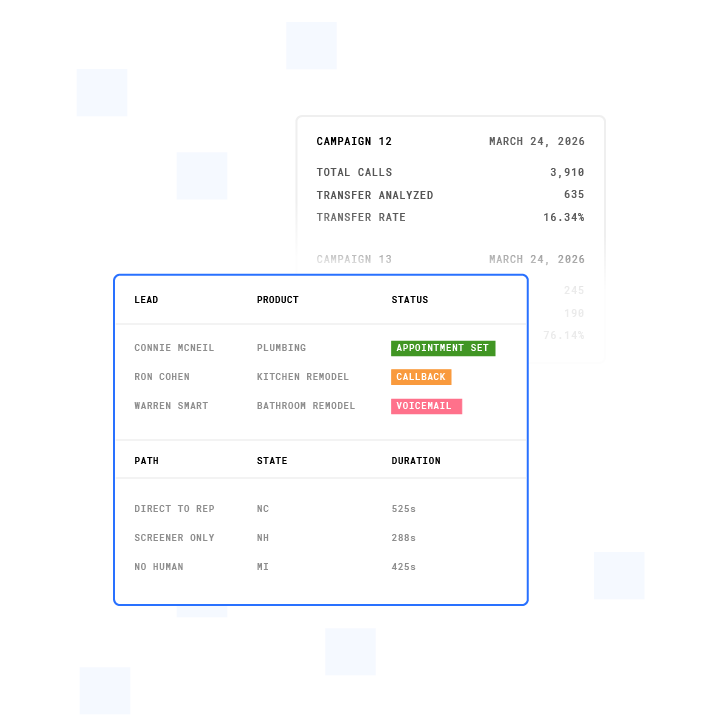
Plura AI addresses this at the carrier level by solving both the identity and response requirements that iOS 26 screening creates. First, Plura issues branded caller ID directly through its FCC-licensed audio bridging carrier, so calls present with the company’s name rather than an unfamiliar number, which establishes trust before the screening prompt fires. Second, Plura’s AI voice agents respond to the screening prompt in real time, providing the caller name and reason that the recipient’s transcript displays. Together, these capabilities convert screened calls into answered calls rather than terminated ones.
Book a live demo with Plura AI to see how carrier-grade caller ID and AI voice agents interact with iOS 26 screening in a live environment.
Frequently Asked Questions
How long does it take to activate iOS 26 Call Screening?
Activation is quick on a supported device. Navigate to Settings, tap Apps, tap Phone, locate Screen Unknown Callers, and select a mode. The setting saves immediately with no restart required. Testing with a call from an unsaved number helps confirm the feature is working as expected.
What does a caller hear when iOS 26 Call Screening is active?
In Ask Reason for Calling mode, the caller hears a prompt to state their name and reason for calling. After the caller responds, a transcript is generated for the recipient. The recipient’s phone then rings with a live transcript of what the caller said. If the caller says nothing, the call ends without ringing the recipient’s device. In Silence mode, the caller routes directly to voicemail with no interactive prompt.
Does iOS 26 Call Screening affect calls from saved contacts?
No. Call Screening applies exclusively to numbers not saved in the recipient’s contacts. Calls from saved contacts ring normally and bypass all screening modes entirely. The feature also does not evaluate calls based on spam likelihood, because it functions as a pre-call identification layer, not a spam filter.
Can iOS 26 Call Screening be turned off after enabling it?
Yes. Return to Settings > Apps > Phone > Screen Unknown Callers and select Never. This disables screening immediately. All calls from unsaved numbers ring normally from that point forward. There is no cooldown period or confirmation step required.
How does iOS 26 Call Screening affect outbound sales and contact center programs?
When a prospect has Ask Reason for Calling active, any outbound call that produces no audio response to the screening prompt ends without ringing the recipient. Automated dialers that connect a live agent only after a pickup are particularly exposed because no voice is present at the moment the prompt fires. The practical fix for outbound teams is to ensure calls present a branded caller ID and that a voice response is available at the screening prompt. Plura’s carrier-grade infrastructure issues branded caller ID at the FCC-licensed carrier level and deploys AI voice agents that respond to screening prompts in real time, which helps maintain contact rates without any change to the recipient’s device settings.
Conclusion: Protect Contact Rates with Enterprise-Grade Outbound
iOS 26 Call Screening is a five-minute setup for individual iPhone users and a structural contact-rate problem for high-volume outbound programs. The three modes give users control over how unfamiliar numbers reach them, and the downstream effect on predictive dialers and parallel dialing systems is direct, because calls that produce no response to the screening prompt end before the recipient’s phone rings.
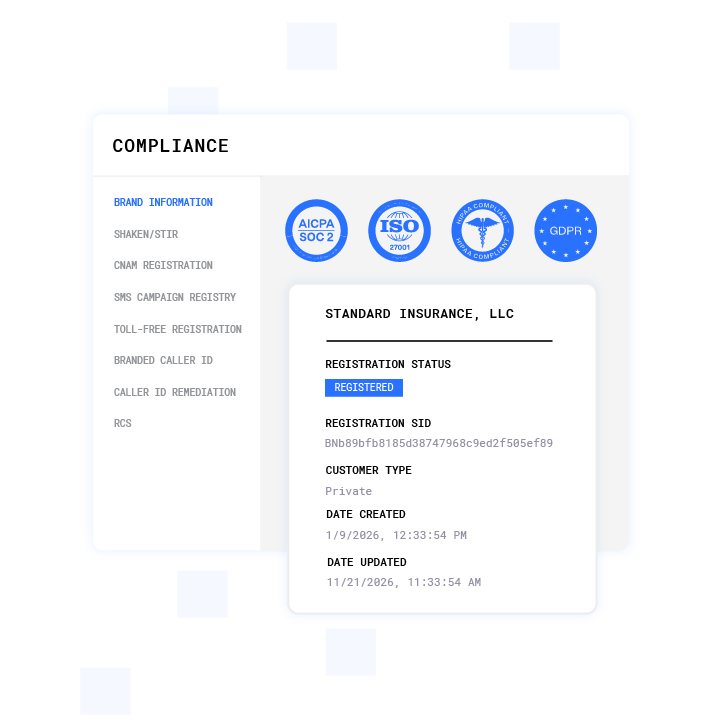
Plura AI resolves this at the infrastructure layer. As an FCC-licensed audio bridging carrier, Plura issues branded caller ID directly, authenticates every outbound call through STIR/SHAKEN (caller ID verification), and deploys AI voice agents that respond to iOS 26 screening prompts with the caller’s name and reason, which converts screened calls into answered calls.1 The AI Predictive Dialer routes only live-connected calls to agents, which removes the silent-prompt failure mode that standard dialers produce. The platform supports compliance with TCPA, DNC, SOC 2, HIPAA, and ISO frameworks across outbound activity, with real-time DNC scrubbing on every contact.2
For outbound teams measuring contact rates against a baseline that predates iOS 26, the gap does not come from a carrier problem or a list problem. It comes from an identity and response problem at the moment of screening. Plura’s carrier stack addresses both.
Book a live demo with Plura AI to see how branded caller ID and AI voice agents maintain contact rates through iOS 26 screening in your specific outbound environment.
1 Plura AI maintains SOC 2, HIPAA, ISO, and GDPR posture as part of its platform infrastructure. References to compliance frameworks in this article describe Plura’s platform capabilities and do not constitute a guarantee that any customer using Plura will themselves be compliant with applicable laws or standards. Customers remain solely responsible for their own regulatory obligations, certifications, consent management, recordkeeping, and the claims they make to their own end users. Consult qualified legal counsel for guidance specific to your use case.
2 This article describes regulatory frameworks at a general level and does not constitute legal advice. Laws and regulations vary by jurisdiction, change over time, and apply differently depending on facts and circumstances. Readers should consult qualified legal counsel before making compliance decisions.
This article is provided for informational purposes only and reflects Plura AI’s understanding at the time of publication. Product capabilities, integrations, and specifications are subject to change. For the most current information, visit plura.ai.
This article was produced with the assistance of AI tools and reviewed by Plura AI prior to publication.