
Written by: Matt Beucler, CEO, Plura AI
Key takeaways for outbound leaders
- Multi-line dialers can reach 150–300 dials per hour but create abandonment risk and carrier reputation pressure that leaders must manage.
- Power dialers typically cap at 60–100 dials per hour yet avoid abandoned calls by design, which suits complex B2B conversations.
- Neither traditional dialer fully supports mid-market teams running more than 50,000 dials per month across mixed B2B and B2C lists.
- Plura AI’s AI Predictive Dialer uses stateful conversion-signal pacing with TCPA and DNC compliance tooling, SHAKEN/STIR verification, and 100% U.S. infrastructure.
- Teams ready to upgrade can book a live demo to see how the AI Predictive Dialer balances volume, compliance, and personalization.
Regulatory context for power and multi-line dialers
Power dialers and multi-line dialers are not categorically illegal in the United States, but both sit inside a regulatory framework that creates exposure based on configuration and use case. The Telephone Consumer Protection Act (TCPA), codified at 47 U.S.C. § 227, and the FCC’s implementing regulations describe how outbound calls are placed to consumers.2 Consult qualified counsel to understand how these rules apply to your specific campaigns.
A power dialer places one call at a time with an agent ready on the line. Because no call connects without a live rep present, power dialers produce zero abandoned calls by design, which places them in a lower-risk category under the FCC’s abandoned-call rules for many B2B configurations. DNC compliance, internal suppression lists, and time-of-day restrictions still apply regardless of dialer type.
Multi-line dialing introduces additional regulatory surface area. Under FCC regulations, a telemarketing call is treated as abandoned if it is not connected to a live sales representative within two seconds of the called person answering. In 2025 and 2026, state-level mini-TCPA rules combined with STIR/SHAKEN (Secure Telephone Identity Revisited/Signature-based Handling of Asserted information using toKENs) call authentication enforcement have increased compliance risk for aggressive parallel dialer configurations of 5–10 lines per rep.2
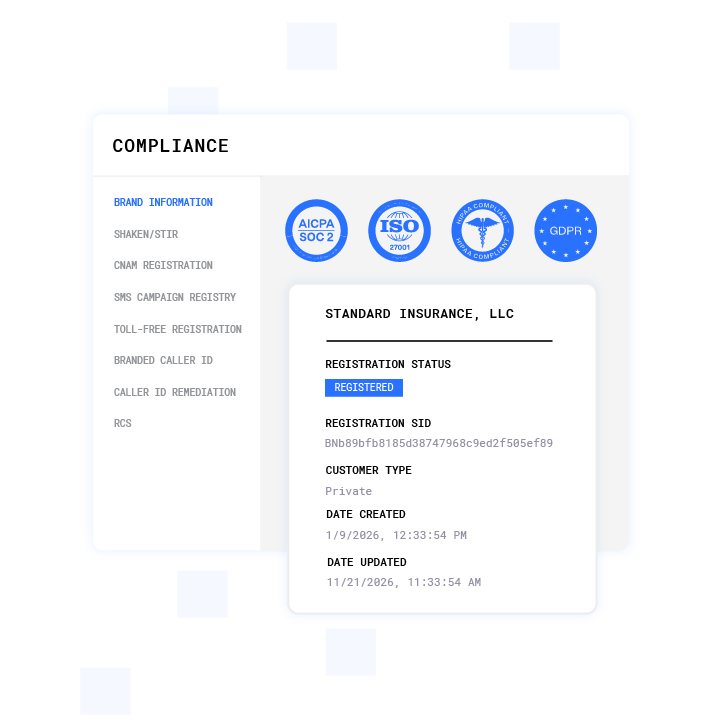
Plura’s platform supports compliance through TCPA compliance tooling, DNC compliance scrubbing, SHAKEN/STIR caller ID verification, SOC 2, HIPAA, ISO certification, and GDPR coverage.1 Customers remain responsible for their own regulatory obligations and how they configure campaigns.
How multi-line dialing behaves in production
Multi-line dialing, also called parallel dialing, launches multiple outbound call attempts at the same time from a single agent seat. The system detects which line reaches a live human answer first and routes that call to the rep, then drops or ends the remaining attempts before they connect.
A parallel dialer reaches approximately 150–300 dials per hour and approximately 8–12 live conversations per hour at a roughly 5.3% pickup rate, based on consensus benchmarks from Klenty, Skipcall, Nooks, and Orum.3 Talk time as a share of a dial block is often higher on a parallel dialer than on a power dialer.
The volume advantage introduces structural risks. Parallel dialing produces substantially more dial attempts and live conversations per hour than power dialing, but this advantage is reduced by awkward double-connects, bridge delays that prospects perceive as robocalls, and faster number reputation damage. These risks share a common cause, which is the practice of launching multiple calls before knowing which will answer.
Abandoned calls produced by parallel dialers degrade carrier reputation scores through patterns of high simultaneous volume and sub-two-second no-audio drops, which can lead to “Spam Likely” labels that reduce future connect rates across the number pool. Modern parallel dialer implementations attempt to reduce abandonment by dropping non-answering lines before pickup is detected, but this approach focuses on the abandonment metric and does not remove double-connect risk or number reputation pressure at high concurrency settings.
Regulatory context matters here because the same mechanics that drive higher volume also create the abandonment patterns that FCC rules address.
Best-fit dialer for B2B appointment setting
B2B appointment setting performance depends on monthly call volume, list quality, and the level of per-call personalization the sale requires. The dialer choice should match those constraints.
A power dialer places one outbound call at a time and advances only after the prior interaction ends, which enables sales reps to review CRM notes, tailor openers, and document outcomes with precision before each B2B conversation. This pattern makes power dialing a strong fit for account executives handling complex or multi-stakeholder deals where reviewing account context before each call is necessary.
Parallel dialers support lower personalization levels because reps handle multiple simultaneous calls from homogeneous lists, which suits consistent, repeatable messaging rather than individualized preparation. SDR-led top-of-funnel prospecting on large, undifferentiated lists is the natural home for multi-line dialing.
Teams running more than 500 daily outbound attempts with a mix of cold prospecting and warm follow-up often find that neither tool alone covers the full range. Plura’s AI Predictive Dialer uses stateful conversion signals, including historical answer rates and prior conversation outcomes, to decide who to call next. This combines throughput with the context that B2B personalization requires.
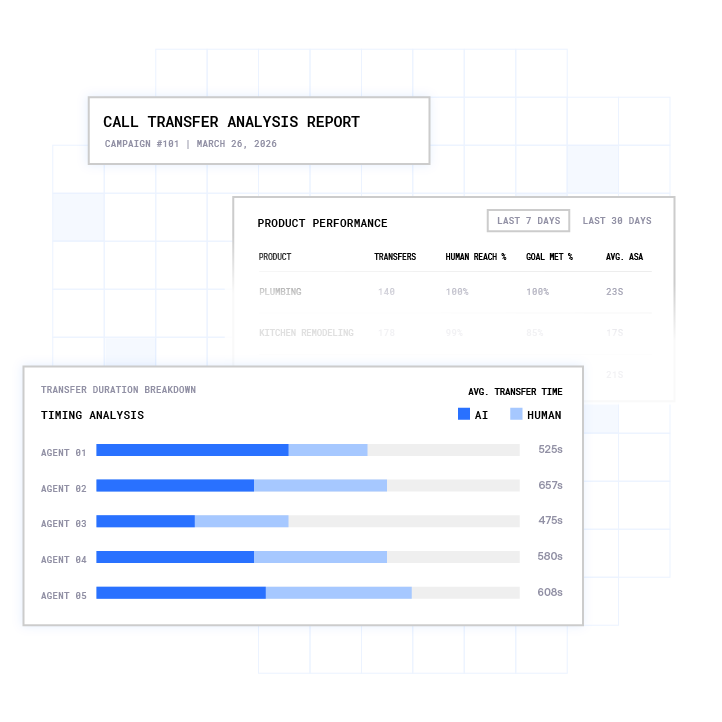
Every call runs over Plura’s FCC-licensed carrier with SHAKEN/STIR caller ID verification and real-time DNC compliance scrubbing before each dial, as described earlier.
Calls-per-hour benchmarks and connect rates
| Dialer Type | Dials/Hour | Conversations/Hour | Abandonment Risk |
|---|---|---|---|
| Manual dialing | 15–25 | 1–3 | None by design |
| Power dialer (single-line) | 60–100 | 3–4 | Zero by design |
| Multi-line dialer (parallel, 3–5 lines) | See benchmarks above | See benchmarks above | Present, requires pacing controls |
| AI Predictive Dialer (Plura) | Stateful pacing that scales with list and agent pool | Prioritizes highest-conversion contacts first | Real-time DNC compliance scrubbing before each dial |
B2B cold-call connect rates on generic data typically average 2–3% or 8–12% depending on the dataset and data quality, with top teams reaching 6–18%, which means dial count functions as an input metric rather than a revenue metric.3 A 300-dial hour at an 8% connect rate produces roughly 24 live conversations.
Compliance matrix for outbound dialing
| Dialer Type | TCPA/DNC Exposure | Abandoned-Call Risk | STIR/SHAKEN Requirement |
|---|---|---|---|
| Power dialer | Lower, one call at a time with no structural abandonment mechanism | Zero by design | Applies to all outbound voice calls under FCC rules |
| Multi-line dialer | Higher, because simultaneous dials can exceed the 3% FCC abandoned-call cap without pacing controls | Present when two or more lines answer at the same time | Applies to all outbound voice calls, with A-level attestation often recommended for parallel configurations |
| AI Predictive Dialer (Plura) | See compliance features described above | Stateful pacing with DNC compliance scrubbing before each dial | SHAKEN/STIR caller ID verification on every outbound call via Plura’s FCC-licensed carrier |
Customers are responsible for their own compliance posture. Plura supports compliance through infrastructure and tooling but does not absolve operators of their regulatory obligations. Consult qualified counsel for guidance on how TCPA, DNC, and state-level rules apply to your campaigns.
Decision matrix by volume and use case
| Monthly Call Volume | Use Case | Recommended Tool |
|---|---|---|
| Under 5,000 dials/month | Complex B2B, multi-stakeholder, high personalization | Power dialer |
| 5,000–50,000 dials/month | SDR prospecting, B2B top-of-funnel, standardized talk tracks | Multi-line dialing with pacing controls |
| 50,000+ dials/month | Mixed B2B/B2C, warm follow-up plus cold prospecting, compliance-sensitive verticals | AI Predictive Dialer (Plura) |
Upgrade path to Plura’s AI Predictive Dialer
Teams that have outgrown a power dialer or want to reduce the compliance surface area of multi-line dialing have a direct upgrade path in Plura’s AI Predictive Dialer. Unlike a traditional Vici Dial alternative that automates dial sequencing, Plura’s dialer uses stateful conversion signals to prioritize contacts most likely to connect and convert, based on historical answer rates and prior conversation outcomes stored in a shared Stateful Conversation Database.
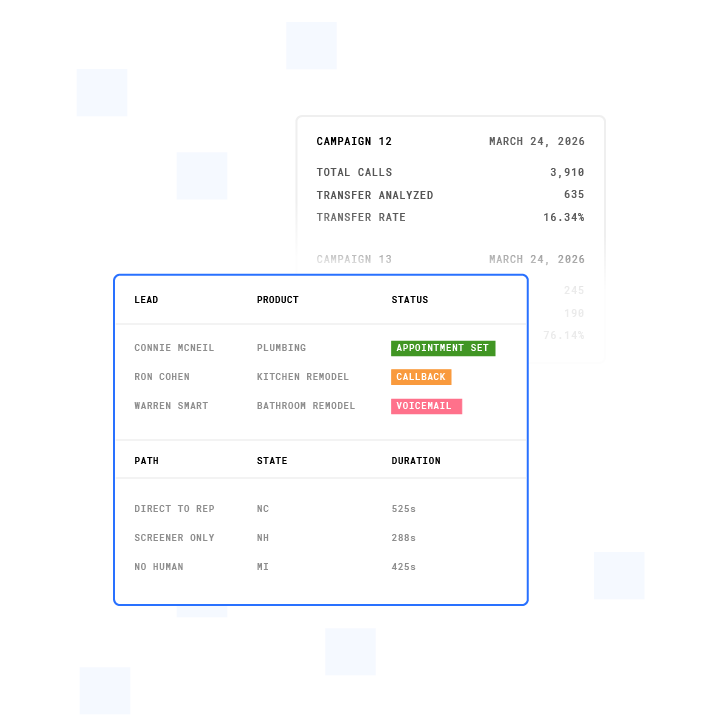
That database creates the operational difference. An agent that texted a lead at 9 a.m. via AI SMS can pick up the voice call at noon already knowing what was said, what was offered, and what objections were raised. The same context is available across voice, SMS, RCS, and AI webchat. Other dialer categories typically do not preserve that cross-channel memory by default.
Every outbound call on Plura runs over its FCC-licensed carrier with the SHAKEN/STIR verification and DNC scrubbing described earlier, plus branded caller ID issued at the carrier level. Many sales leaders plan to increase AI calling investment. Plura’s annual contracts include a 90-day opt-out window, and plans start at $5,000 per month.
Walk through the AI Predictive Dialer architecture and compliance tooling with Plura’s team.
Frequently asked questions
What is the difference between a parallel dialer and a predictive dialer?
A parallel dialer launches a fixed number of simultaneous calls per agent seat, typically 2–10 lines, and routes the first live answer to the rep while dropping the remaining attempts. A predictive dialer uses an algorithm to forecast when an agent will become available and begins dialing before the current call ends, which adjusts pacing across a larger agent pool. Both approaches over-dial by design, which is why both share a similar abandoned-call risk profile under the FCC’s 3% cap. Plura’s AI Predictive Dialer adds a stateful conversion layer on top of predictive pacing, using prior conversation outcomes to prioritize which contacts to dial next rather than relying on time-based availability estimates alone.
How can I keep my parallel dialer below the FCC’s 3% abandoned-call threshold?
Keeping a parallel dialer below the FCC’s 3% abandoned-call cap requires active pacing controls, not just a lower line ratio. Effective configurations often include an abandonment-rate monitoring dashboard measured over a rolling 30-day window per campaign, throttle rules that reduce simultaneous lines when abandonment approaches 2.5%, SHAKEN/STIR A-level number attestation, and integrated DNC compliance scrubbing before each dial session. Consult qualified counsel to confirm how these requirements apply to your specific campaigns and jurisdictions, including any applicable state-level rules that may be stricter than the federal standard.
Can a power dialer integrate with my CRM in real time?
Most modern power dialers support native CRM integration with platforms including Salesforce, HubSpot, Zoho, and GoHighLevel. The practical benefit is that agents see the full contact record, including past calls, prior notes, and quoted products, on screen before the conversation begins. After the call, dispositions, notes, and contact updates push to the correct CRM record automatically, which removes manual data entry. Plura’s AI Predictive Dialer extends this through its Stateful Conversation Database, which holds cross-channel context across voice, SMS, RCS, and webchat, so the CRM record and the AI’s conversation memory stay synchronized across every touchpoint, not just voice calls. See Plura’s full integration directory at plura.ai/integrations.
Is an AI predictive dialer a viable replacement for Vici Dial?
For teams running Vici Dial today, the primary gaps often involve number reputation management, cross-channel conversation memory, and compliance infrastructure. Plura’s AI Predictive Dialer functions as a direct Vici Dial alternative that addresses all three.4 Calls originate on Plura’s FCC-licensed carrier with branded caller ID and SHAKEN/STIR caller ID verification, the Stateful Conversation Database preserves context across voice, SMS, RCS, and webchat, and TCPA compliance and DNC compliance tooling run before each dial. Migration timelines depend on workflow complexity, but Plura’s onboarding sequence moves from discovery audit to pilot test on real calls before full go-live, with a 90-day opt-out window in every annual contract.
Conclusion: dialing strategy for 50,000+ calls per month
For teams running more than 50,000 dials per month, the volume-versus-control trade-off becomes a compliance-and-context problem that traditional dialers do not solve alone. Power dialers protect personalization and remove abandoned-call exposure but limit throughput. Multi-line dialers increase dials per hour but introduce abandonment risk and number reputation pressure that require constant tuning.
Plura’s AI Predictive Dialer combines stateful conversion-signal pacing with the compliance infrastructure described above, running on Plura’s own FCC-licensed carrier and 100% U.S. infrastructure.
- Run your numbers through Plura’s calculator to check your ROI in real time.
- Compare plans and rates side by side at Plura pricing.
Watch the AI Predictive Dialer running on live infrastructure.
1 Plura AI maintains SOC 2, HIPAA, ISO, and GDPR posture as part of its platform infrastructure. References to compliance frameworks in this article describe Plura’s platform capabilities and do not constitute a guarantee that any customer using Plura will themselves be compliant with applicable laws or standards. Customers remain solely responsible for their own regulatory obligations, certifications, consent management, recordkeeping, and the claims they make to their own end users. Consult qualified legal counsel for guidance specific to your use case.
2 This article describes regulatory frameworks at a general level and does not constitute legal advice. Laws and regulations vary by jurisdiction, change over time, and apply differently depending on facts and circumstances. Readers should consult qualified legal counsel before making compliance decisions.
3 Performance figures, customer outcomes, and industry statistics referenced in this article are drawn from cited third-party sources or Plura customer case studies. Individual results vary based on implementation, use case, industry, audience, and execution. Past or aggregate performance is not a guarantee of future results.
4 References to third-party products, services, companies, or research are made for informational and comparative purposes only. Plura AI is not affiliated with, endorsed by, or sponsored by any third party named in this article unless explicitly stated. Trademarks and product names referenced remain the property of their respective owners.
This article is provided for informational purposes only and reflects Plura AI’s understanding at the time of publication. Product capabilities, integrations, and specifications are subject to change. For the most current information, visit plura.ai.
This article was produced with the assistance of AI tools and reviewed by Plura AI prior to publication.