
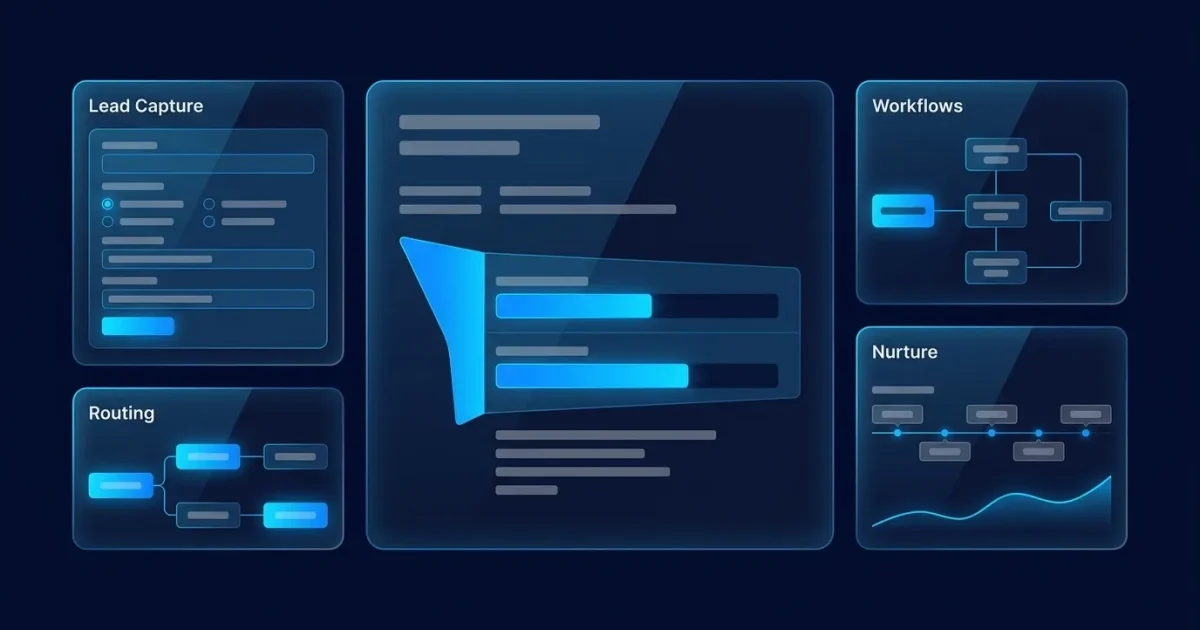
Written by: Matt Beucler, CEO, Plura AI
Key Takeaways
- Sales automation for real estate succeeds when first response happens on voice or SMS within seconds. Email cannot fill that role.
- The five essential workflows – lead capture, first response, routing, nurture, and pipeline – work best when built in sequence, with each depending on the stability of the prior step.
- Routing architecture needs escalation logic and SLA timers so leads move when agents are unavailable instead of sitting unanswered.
- TCPA, DNC, and 10DLC frameworks shape automated outreach. Teams need consent captured at entry and checked in real time before any automated contact.
- Plura AI unifies all five workflows on one stateful conversation database across voice, SMS, RCS, and webchat. See how that looks in a live environment for your team.
The Problem: Why Sales Automation For Real Estate Breaks In Practice
A broker-owner with 30 agents and 400 inbound leads a month has a CRM the team half-uses and a follow-up system producing drip campaigns nobody opens. Portal leads decay in minutes, and the data confirms what that broker already suspects. The National Association of Realtors reports the current average agent response time to real estate leads is 47 minutes, and 35 to 40 percent of portal leads receive no response within 24 hours.3 Most teams automate the follow-up and still miss the call, as noted again in the conclusion.
Team leads, broker-owners, marketing directors, and compliance counsel all feel this breakdown. Each owns a different slice of the same problem: too many conversations, not enough capacity, and a follow-up system that produces volume without producing contact.
Sales automation for real estate breaks for four structural reasons: dual-agency lead routing, IDX and MLS data sync, consent capture on portal leads, and speed-to-lead decay curves. For a full treatment of speed-to-lead decay, see Plura’s speed-to-lead guide. The short version: lead conversion rates drop 10x after the first 5 minutes3.
AI-powered conversation platforms address this gap by handling voice, SMS, RCS, and webchat on one stateful conversation database. This category emerged because email-only automation cannot answer a call, and portal leads do not wait for an email. 78% of prospects choose to buy from the first responder who contacts them.3 A voice call or SMS creates that first contact at the moment it matters.
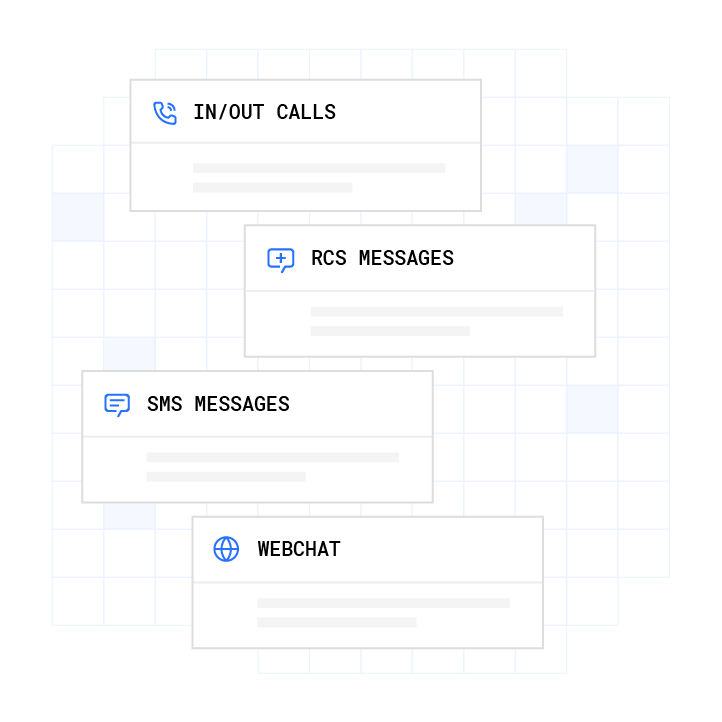
See how the conversation layer works across all five workflows in a Plura demo.
How To Automate Your Real Estate Sales Process: The Five Workflows In Build Order
The four structural problems above all trace back to the same gap: no workflow owns the first five minutes. The five workflows below close that gap, and they work best in sequence because each one depends on the previous step being stable.
1. Lead Capture
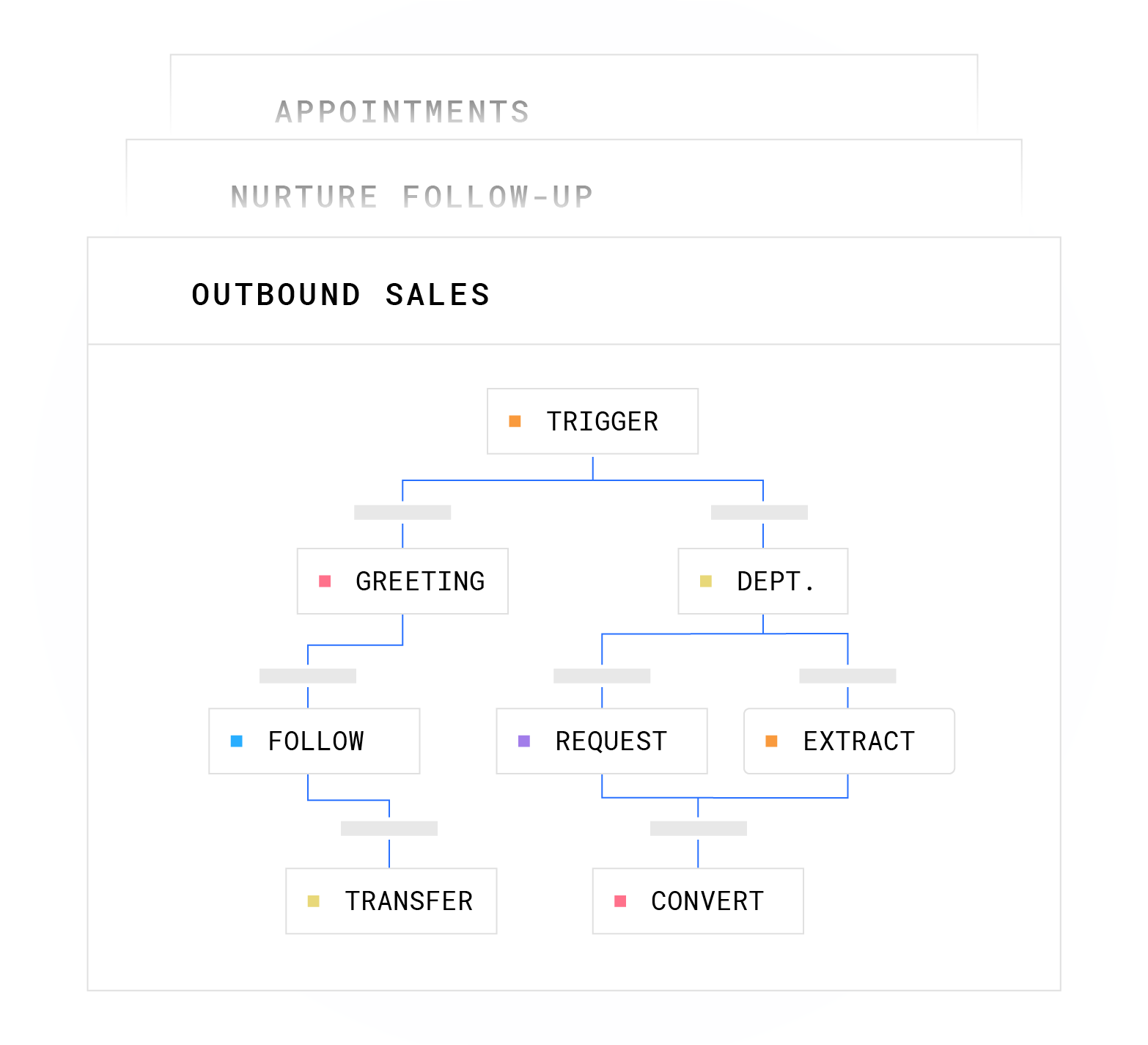
Lead capture starts with importing inquiries from website forms, social media ads, and property portals directly into the CRM. Import alone is not enough, because a lead that enters the CRM without a consent record creates exposure when teams use automated SMS or voice. That is why consent capture belongs at the point of entry as part of lead capture, not as a later clean-up step.
2. First Response
First response needs to happen on voice or SMS, because email cannot answer an inbound call or text in real time. A Harvard Business Review study found that companies responding within five minutes are 100x more likely to connect with a prospect than those waiting 30 minutes. 62% of real estate inquiries arrive outside business hours, so a human-only first-response model misses more than half of inbound volume by design. Plura’s AI SMS agents reply to every new lead in seconds. Plura’s AI voice agents answer every call on the first ring, 24/7.
3. Routing
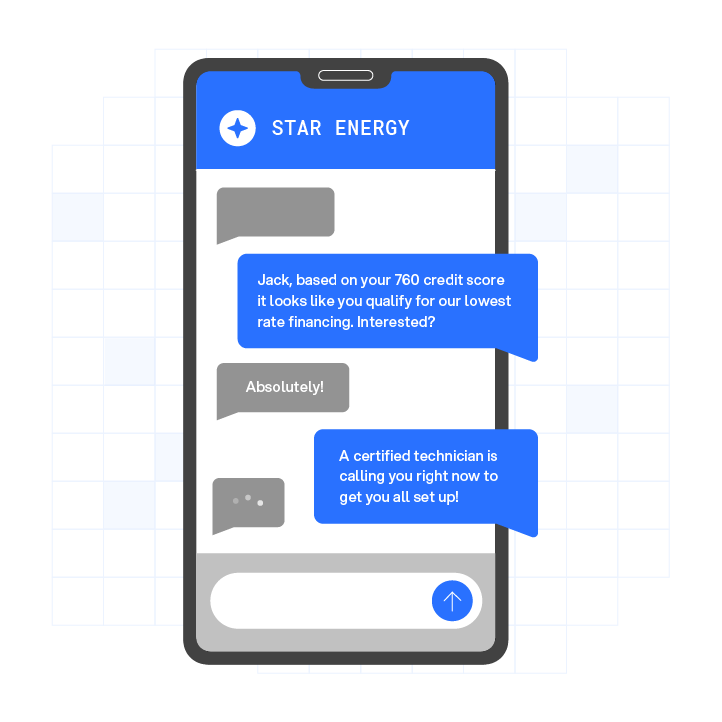
Routing assigns leads by geography, price band, and agent availability, then defines what happens when the assigned agent does not respond. Routing without escalation logic behaves like simple assignment, and assignment without follow-through produces the same outcome as no routing at all.
4. Nurture
Nurture sequences should trigger based on listings viewed or saved so follow-up reflects actual behavior. The sequence needs to pause the moment the lead replies. Automated action plans can drop a lead into a sequence of texts, emails, and call tasks that runs on its own and pauses the moment the lead replies. A nurture sequence that keeps running after a lead has engaged drives opt-outs quickly.
5. Pipeline
Pipeline automation moves deals through stages and assigns task reminders for contract deadlines. Transaction coordination is the biggest automation gap in real estate teams today: lead follow-up automation has been widely adopted, but automated deadline tracking and document completion follow-up remain manual at the majority of small teams.
Lead Routing Architecture For Teams
Routing is the hardest problem in team-level real estate automation, and most coverage stops at theory instead of implementation. A working routing architecture follows a clear sequence.
A lead enters the system from a portal, website form, or social ad, and enrichment runs immediately. The system pulls geography, price band, financing status, and engagement signals, then the rule engine evaluates those inputs against the team’s routing criteria. Once the lead is assigned, an SLA timer starts. If the assigned agent does not respond within the defined window, escalation fires.
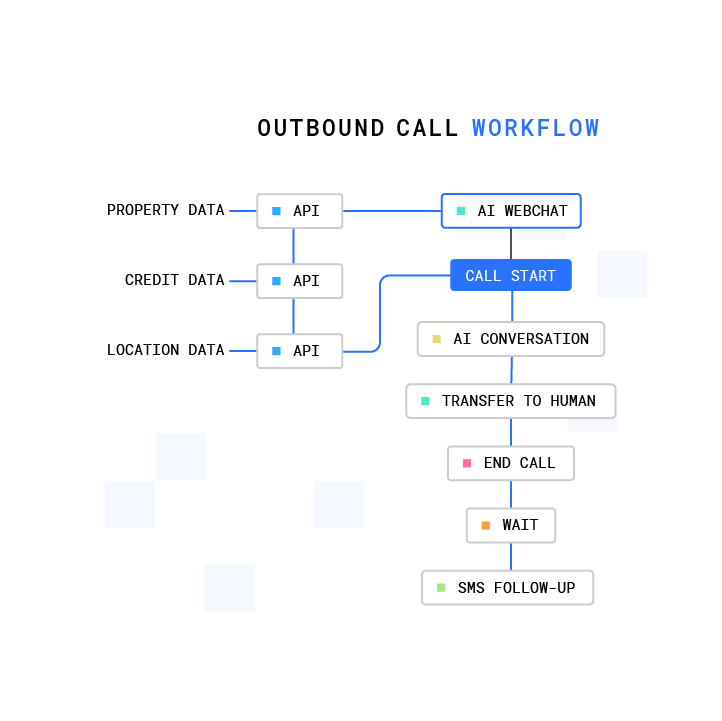
Escalation typically follows three paths: reassignment to a backup agent, escalation to a team lead, or routing to an AI agent that can make the call. When agents are in viewings and cannot respond, routing design creates the gap: without escalation, every agent in a viewing represents a dead zone for all leads arriving during that time.
Real estate teams route on five dimensions: geography (zip code or county), price band (entry, mid, luxury), property type (buyer, seller, investor), lead source (portal, paid social, organic), and agent availability (active, in a showing, off-hours). Sierra Interactive’s CRM guide specifies that lead routing automatically assigns each lead to the right agent based on geography, price band, property type, or availability, so nothing sits unclaimed.
Plura’s CRM integration connects routing logic to Follow Up Boss, HubSpot, Sierra Interactive, and 50+ other tools.4 The rule engine reads from and writes to the system the team already uses. For workflow templates, see Plura’s Sales Automation Workflow Examples.
Consent, DNC, And Quiet Hours For Automated Outreach
This section describes the regulatory frameworks that govern automated real estate outreach. It does not constitute legal advice. Consult qualified counsel for your specific obligations.
Three frameworks commonly apply to automated SMS and voice outreach in real estate:2
- TCPA: The Telephone Consumer Protection Act, 47 U.S.C. § 227 and FCC implementing regulations, addresses automated calls and texts to wireless numbers.2 Sending marketing text messages to a cell phone typically involves prior express written consent, with statutory damages of $500 to $1,500 per message. TCPA violations can cost $500 to $1,500 per text or call. The FCC’s one-to-one consent rule, effective January 27, 2025, states that consent must name the specific seller rather than a category of sellers or a network of marketing partners.
- National DNC Registry: The FTC’s National Do Not Call Registry covers more than 258 million telephone numbers as of January 2026.2 Telemarketers calling consumers in the United States download the numbers on the National DNC Registry to avoid calling consumers who have registered their phone numbers. State DNC registries add further requirements that vary by jurisdiction.
- 10DLC Registration: The CTIA Messaging Principles and Best Practices and GSMA published requirements describe A2P (application-to-person) SMS messaging expectations. The Campaign Registry (TCR) was created by major U.S. mobile carriers in 2020 to make SMS messaging more secure and trusted, establishing a centralized database where businesses register their brands and campaigns before sending messages over carrier networks. A campaign that aligns with TCPA can still face carrier registration issues if the consent flow, privacy policy, or sample messages do not match CTIA standards.
Quiet-hours rules under 47 C.F.R. § 64.1200(a)(9) describe limits on autodialed calls and texts between 8 a.m. and 9 p.m. local time of the recipient. State laws, including Florida’s Telephone Solicitation Act, introduce additional restrictions. Consult the regulation or qualified counsel for your specific obligations.
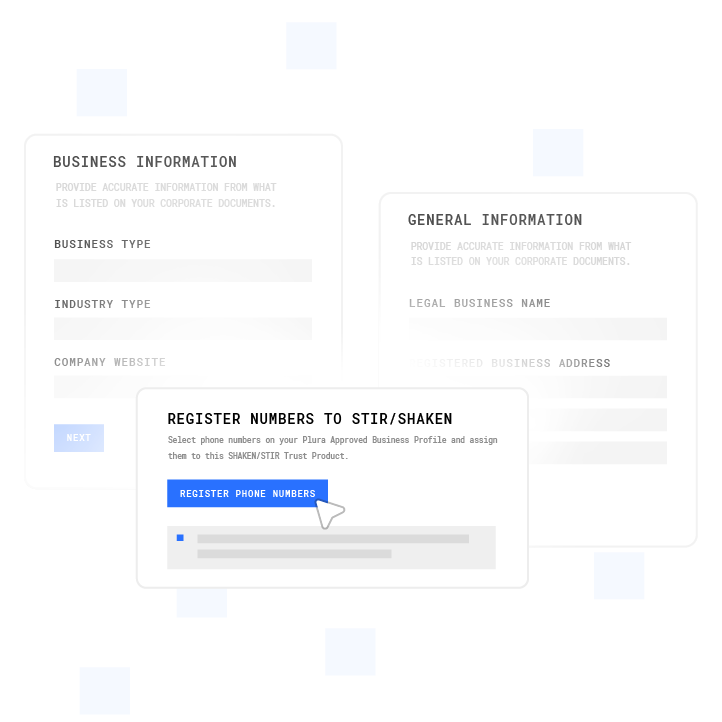
Plura supports compliance with TCPA, DNC, and STIR/SHAKEN caller ID verification.1 Every outbound contact on Plura’s platform is checked against federal and state DNC registries in real time before dial. Consent records are timestamped and immutable. Quiet-hours rules apply automatically through time-zone detection. For more detail, see Plura’s Sales Automation Compliance guide.
Solo Agent Vs. Team Vs. Brokerage: Which Workflows To Build First
Automation priorities change with team size, and picking the wrong starting workflow wastes time and creates volume the operation cannot service.
Solo Agent
Solo agents should focus on lead capture, first response, and nurture. Routing and pipeline can wait until volume justifies the extra complexity. A solo agent running 20 to 50 inbound leads per month does not need a routing engine. They need every lead contacted in under 60 seconds and a nurture sequence that keeps the conversation alive. A solo agent using AI capture-and-qualify gets instant response, consistent qualification, and intelligent routing similar to a 140,000-agent franchise, without hiring an inside sales team.
Team
Teams should build lead capture, first response, and routing before anything else. Pipeline automation can follow once routing is stable. A team running 100 to 400 inbound leads per month with 5 to 30 agents has a routing problem before it has a pipeline problem. Automating without a lead-routing strategy creates noise because a CRM that fires sequences to every lead regardless of source, lead score, or readiness floods agents with unqualified outreach. Stable routing comes first, because pipeline automation on top of broken routing only extends the problem.
Brokerage
Brokerages should start with routing, compliance controls, and pipeline visibility. Nurture can follow once routing and compliance operate reliably. A brokerage with multiple teams and agents across geographies faces compliance exposure and visibility gaps before nurture becomes the main constraint. Brokerage-scale systems require more controlled routing and monitoring than solo-agent setups. Centralized dashboards, per-agent routing accountability, and audit-ready consent records form the foundation. Nurture sequences built on top of a weak routing and compliance layer amplify existing problems.
Walk through the right build order for your team size in a Plura session.
Best Sales Automation For Real Estate: What To Evaluate
Four evaluation criteria separate platforms that work in production from platforms that look strong in a demo and stall in month two.
- Native CRM integration: Confirm that the platform connects directly to Follow Up Boss, HubSpot, Sierra Interactive, or the CRM the team already uses. A connector that requires a middleware layer adds a failure point. See Plura’s integrations directory for the full list.
- Routing logic depth: Check whether the platform routes by geography, price band, and agent availability with SLA timers and escalation. Round-robin assigns leads, while routing adds escalation logic on top of assignment.
- Consent logging: Verify that consent records are timestamped, immutable, and exportable for audit. A consent record that lives only in a spreadsheet creates risk when teams scale automated outreach.
- Ability to make a call: Confirm that the platform can place calls, not just send emails. 48% of real estate leads go unanswered within the first hour, a structural gap that human availability alone cannot fix. A platform that can only send email leaves that gap open.
The table below compares three common platform categories against two of these criteria so you can see where each category typically falls short before you book a demo.4
| Dimension | Native CRM Automation | Workflow Connectors (e.g., Zapier) | AI Voice/SMS Agents (e.g., Plura) |
|---|---|---|---|
| Can make a call | No | No | Yes, and AI voice agents answer every call on the first ring, 24/7 |
| Routing logic depth | Basic round-robin (per Follow Up Boss documentation) | Trigger-based, without SLA escalation (per Zapier published features) | Rule-based routing with SLA timers and escalation |
What Breaks In Month Two
Many teams see strong early results, then hit predictable failure modes in the second month of automation.
Stale Listings In Nurture Sequences
Listings go under contract or off-market, but the sequence keeps sending them. When a CRM is connected to a website’s IDX, agents can see exactly which properties a lead viewed and which searches they saved, enabling behavioral follow-up rather than generic messaging. Without a live IDX sync, the nurture sequence sends listings that no longer exist. Leads lose trust and opt out. A live, bidirectional IDX connection solves this more effectively than a nightly file export.
Agents Ignoring Routed Leads
Routing works, but the agent does not respond within the SLA, so the lead sits. The most common failure mode in real estate automation is partial adoption: teams automate lead intake but not follow-up sequences, leaving the highest-value steps manual. Routing without escalation repeats that pattern at a different layer. Teams need clear rules for what happens when the assigned agent does not respond, with that logic encoded before go-live.
Automation Producing Volume The Team Cannot Service
AI can book 40 appointments while the team can only handle 20, and the rest roll to voicemail. Over-automating early client communication can backfire: the first 24 hours after an inquiry are the most relationship-sensitive, and a fully automated response with no human touch in the first hour can lower conversion even as it lowers response time. Capacity planning needs to match automation volume to team availability before scaling. Many teams use an immediate automated text paired with an agent call within the hour.
Check your capacity math with Plura’s ROI calculator before you build.
Frequently Asked Questions
How Can I Automate My Real Estate Sales Process?
Start with lead capture and first response. Automate lead import from portals and website forms into your CRM, then set up AI SMS to reply within seconds and AI voice agents to answer calls 24/7. Add routing once first response is stable, then layer nurture and pipeline after that. Build in the order listed because each workflow depends on the one before it being operational.
What Is The Best CRM For Real Estate In 2026?
The best CRM depends on team size and workflow needs. Follow Up Boss, HubSpot, and Sierra Interactive each publish documentation on their routing and integration capabilities. Follow Up Boss supports round-robin, source-based, zip-code-based, and first-to-claim routing, with a built-in dialer available as an add-on. Sierra Interactive includes lead routing by geography, price band, and availability with behavioral triggers tied to IDX data. HubSpot offers pipeline management and a broad integration marketplace but does not document native IDX/MLS integration. Evaluate native CRM integration depth, routing logic, consent logging, and whether the platform can make a call or only send an email before selecting.
What Are The Top 5 CRMs For Real Estate?
The five CRMs most commonly cited for real estate teams are:
- Follow Up Boss
- HubSpot
- Sierra Interactive
- Zoho CRM
- CINC
Each publishes documentation on lead routing, IDX/MLS integration, and channel capabilities. Follow Up Boss connects to 250+ lead sources including Zillow Premier Agent and Facebook Lead Ads. Sierra Interactive includes a built-in dialer and behavioral triggers tied to IDX data. HubSpot connects to over 2,000 apps through its marketplace. Match the CRM to your team size, routing requirements, and the channels your leads arrive on before committing.
Can AI Voice And SMS Agents Handle First Response For Real Estate Leads?
Yes. AI SMS agents reply to new leads in seconds, qualify the buyer, and can call and live-transfer warm leads to a rep. AI voice agents answer calls on the first ring, 24/7, including after hours and weekends when a large share of real estate inquiries arrive. Plura handles both on one stateful conversation database, so a lead who texted at 9 a.m. is the same lead when the call comes at noon. The AI continues the conversation with full context instead of starting cold.
What Is The 80/20 Rule For Realtors?
The 80/20 rule in real estate is often described as the idea that 20% of agents produce 80% of sales, or that 20% of leads generate 80% of transactions, though an analysis of 120,000 agents found the actual ratio is closer to 75/25, with the top 30% of agents producing 80% of results. Operationally, this points to identifying high-intent leads and routing them to your best agents first. Routing by lead score, financing status, and timeline rather than simple round-robin expresses this principle in automation. A pre-approved buyer with a 30-day timeline needs different handling than a browser with no financing and no urgency.
How Do I Handle TCPA Consent For Automated Real Estate Outreach?
Teams typically capture prior express written consent at the point of lead entry, screen against state and federal DNC registries before dialing, and register for 10DLC before sending automated SMS. Consult qualified counsel for your specific obligations under 47 U.S.C. § 227 and FCC implementing regulations. The FCC’s one-to-one consent rule, effective January 27, 2025, states that consent must name the specific seller. Consent collected by a lead vendor does not automatically transfer to another organization under the current FCC framework. Plura supports compliance with TCPA, DNC, and STIR/SHAKEN caller ID verification, and customers remain responsible for their own regulatory obligations.
Conclusion: The Conversation Layer Is The Problem
Sales automation for real estate is a conversation-layer problem that often looks like a software problem on the surface. As noted at the top, most teams automate the follow-up and still miss the call. The five workflows worth building are lead capture, first response, routing, nurture, and pipeline. They only work when three conditions hold: first response happens on voice or SMS, routing includes escalation logic, and consent is captured before the first touch.
The evaluation criteria that separate working systems from expensive demos are four: native CRM integration, routing logic depth, consent logging, and the platform’s ability to make a call instead of only sending an email.
Plura addresses all four on one platform:
- AI voice agents answer calls on the first ring, 24/7
- AI SMS agents reply to new leads in seconds, qualify the buyer, and live-transfer warm leads to a rep
- The AI Predictive Dialer prioritizes contacts most likely to convert using stateful conversion signals
- The Stateful Conversation Database keeps a lead who texted at 9 a.m. linked to the same record when the call comes at noon, with full context carried across every channel
- CRM integration connects to Follow Up Boss, HubSpot, Sierra Interactive, and 50+ other tools
Responding to leads within 60 seconds can lift conversions by 391%.3 The first-responder advantage cited earlier is the whole game, and the conversation layer is where that advantage is built or lost.
See the five workflows running on one stateful conversation database in a Plura demo.
Check your cost-per-lead and capacity math before you build using Plura’s ROI calculator.
1 Plura AI maintains SOC 2, HIPAA, ISO, and GDPR posture as part of its platform infrastructure. References to compliance frameworks in this article describe Plura’s platform capabilities and do not constitute a guarantee that any customer using Plura will themselves be compliant with applicable laws or standards. Customers remain solely responsible for their own regulatory obligations, certifications, consent management, recordkeeping, and the claims they make to their own end users. Consult qualified legal counsel for guidance specific to your use case.
2 This article describes regulatory frameworks at a general level and does not constitute legal advice. Laws and regulations vary by jurisdiction, change over time, and apply differently depending on facts and circumstances. Readers should consult qualified legal counsel before making compliance decisions.
3 Performance figures, customer outcomes, and industry statistics referenced in this article are drawn from cited third-party sources or Plura customer case studies. Individual results vary based on implementation, use case, industry, audience, and execution. Past or aggregate performance is not a guarantee of future results.
4 References to third-party products, services, companies, or research are made for informational and comparative purposes only. Plura AI is not affiliated with, endorsed by, or sponsored by any third party named in this article unless explicitly stated. Trademarks and product names referenced remain the property of their respective owners.
This article is provided for informational purposes only and reflects Plura AI’s understanding at the time of publication. Product capabilities, integrations, and specifications are subject to change. For the most current information, visit plura.ai.
This article was produced with the assistance of AI tools and reviewed by Plura AI prior to publication.