
Written by: Matt Beucler, CEO, Plura AI
Updated September 2026
Key Takeaways
- VICIdial’s software license is free under AGPLv2, yet realistic all-in cost typically lands between $130 and $400+ per agent per month once infrastructure, telecom, and technical labor are included.3
- The sysadmin line item is usually the largest expense, ranging from about $1,500 per month for part-time contractors to roughly $10,000 per month for fully loaded full-time Linux/Asterisk administrators.3
- Per-agent costs fall as headcount grows. Small teams around 5 agents often pay $130–$250 per agent, while 25+ agent teams usually see costs settle closer to $130–$170 per agent as fixed expenses spread out.
- VICIdial becomes cost-effective at roughly 30 or more agents with competent technical management. Below that range, per-agent overhead often exceeds hosted dialer alternatives.
- Operators who want to remove sysadmin overhead entirely can see how a managed AI-powered alternative from Plura AI compares.
VICIdial License Cost vs Operating Cost
The VICIdial application is free to download and run. The operating model carries the real cost. VICIdial versions since 2.0.4.1 are released under the AGPLv2 license, so any operator can install and use the software with no license or per-agent fee.
The AGPLv2 license has one obligation that matters for cost planning. If you modify VICIdial’s source code and offer that modified version to users outside your organization as a service, you must provide those users with the complete modified source code over HTTP. Internal use does not trigger this obligation, and configuring campaigns, scripts, dial plans, and carriers is not considered modifying the source code. For typical call center setups, the license adds no direct cost.
The spend sits under the software. You pay for servers, carrier minutes, DIDs, compliance tooling, and the person who keeps Linux, Asterisk, and VICIdial healthy.
The Four VICIdial Cost Layers
Every VICIdial budget rolls up into four categories: license, infrastructure, telecom, and labor. The tables below show sourced ranges for each layer.
Recurring Monthly Cost Layers
| Layer | Typical Monthly Range | Source |
|---|---|---|
| Software License | $0 license fee, no per-agent charge | VICIfast Licensing Guide |
| Infrastructure: Self-Hosted Cloud VPS | About $49–$479 per server per month | VICIfast VPS Pricing |
| Infrastructure: VICIhost Managed Hosting | $400 per server per month after month one | VICIhost Features |
| Infrastructure: Third-Party Managed VICIdial | From $49–$549 per server per month in the US region | VICIfast Pricing |
| Telecom: Outbound Calls | Roughly $0.005–$0.015 per minute for US domestic calling | Sciencx Carrier Selection Guide |
| Telecom: DID Numbers | From about $0.50 per month in Europe and $1.99 per month in US/Canada | DIDHub |
| Telecom: Inbound Toll-Free | About $0.0220 per minute for US toll-free4 | Twilio Programmable Voice Pricing |
| Labor: Part-Time Contractor | Roughly $1,500–$3,000 per month, sometimes up to $4,000 | CloudTalk VICIdial Pricing Guide |
| Labor: Full-Time Linux/Asterisk Sysadmin | About $5,400–$9,200 per month equivalent | Sciencx VICIdial Cost Breakdown |
| Labor: Emergency Troubleshooting | Roughly $200–$400 per hour in many guides | CloudTalk VICIdial Pricing Guide |
One-Time Setup Cost Layers
| Item | Typical One-Time Amount | Source |
|---|---|---|
| VICIdial Optional Installation Service | About $800–$1,000 for first server, plus $500 for each additional | VICIdial Installation Service |
| VICIhost Setup Fee | $1,000, which covers the first month | VICIhost Setup |
| Consultant or Custom Install | Roughly $1,500–$15,000+ depending on scope | Consultant Install |
| Zoiper Webphone Licenses | About $42 per seat4 | Zoiper Licensing |
VICIdial Cost by Team Size: 5, 25, 50, and 200 Agents
Team size changes how those four layers combine. The table below models realistic all-in monthly spend at different scales, excluding telecom minutes but including infrastructure, DNC scrubbing, and technical labor.
| Team Size | Setup / Hosting Model | Estimated Monthly Total | Approximate Per-Agent Per Month |
|---|---|---|---|
| 5 agents | Self-hosted VPS, part-time contractor | About $785–$1,250 | Roughly $157–$250 per agent |
| 25 agents | Self-hosted, part-time contractor admin | About $4,125–$4,750 | Roughly $130–$190 per agent |
| 50 agents | VICIhost scenario | About $9,512 per month in one published model | About $190 per agent in that scenario |
| 200 agents | Self-hosted, full-time in-house sysadmin | About $38,050 per month | About $190 per agent per month |
The per-agent cost plateaus at higher headcounts. Moving from a 28-agent to an 80-agent self-hosted deployment barely changes the per-seat figure because fixed costs like the sysadmin and redundancy servers are already covered.
VICIdial Self-Hosted vs Managed Hosting Cost
This comparison focuses on what you pay to keep servers online under each hosting model. It separates infrastructure cost from the operational work your team still carries.
| Hosting Model | Monthly Server Cost | Setup Fee |
|---|---|---|
| Self-Hosted Cloud VPS | $50–$120 per month for a realistic production setup | $0, with sysadmin install time billed separately |
| VICIhost Managed Hosting | $400 per server per month after the first month, plus minutes | $1,000 one-time, which covers month one |
| Third-Party Managed VICIdial (e.g., VICIfast) | $49–$549 per server per month in the US region, with a software-only option at $29 per month | $0 at VICIfast, varies at other providers |
VICIhost removes the server hosting work but keeps most operational tasks on your team. Customers still build campaigns, manage dialing plans, and troubleshoot configuration issues, since VICIhost focuses on keeping the server up. Call minutes, DID numbers, and webphones bill on top of the $400 per server monthly base.
VICIdial Setup Cost: One-Time vs Recurring
Setup costs split into one-time installation work and recurring monthly line items. The tables above separate these so you can see which expenses hit once and which compound over time. Migration work such as re-testing campaigns, re-whitelisting carrier IPs, and re-training agents also consumes real hours that belong in the budget.
VICIdial Hidden Costs: The Sysadmin Line Item
The sysadmin role drives a large share of VICIdial’s true cost. Running a self-hosted VICIdial stack requires ongoing Linux administration and Asterisk maintenance. The recurring workload includes security patching, TLS certificate management, backup verification, and incident response.
KORE1’s 2026 salary data shows a full-time Linux sysadmin earning roughly $80,000–$145,000 per year, while the U.S. Bureau of Labor Statistics reports a $96,800 median annual wage for network and computer systems administrators as of May 2024.
Many centers use part-time contractors instead of full-time staff. Part-time VICIdial contractor administration typically runs about $1,500–$3,000 per month, with some estimates up to $4,000 per month. Ad-hoc emergency troubleshooting often runs $200–$400 per hour, sometimes with a minimum call-out window.
The recurring task list for a VICIdial sysadmin includes:
- Linux OS and package patching, often about 1–2 hours per month for a self-hosted box.
- VICIdial and Asterisk upgrades that require 2–4 hour maintenance windows depending on scope.
- TLS certificate renewal and debugging, which can add several hours per year.
- Firewall tuning and troubleshooting on ViciBox when large IP sets slow reloads.
- Backup restore tests and replication failover drills each quarter.
- Unplanned incident response for Asterisk crashes or performance issues.
At a blended internal rate of $80 per hour, 3 hours per month of VICIdial operations work costs about $240 per month, which often exceeds the server bill. The assumed labor rate largely determines whether self-hosting beats managed hosting on total cost.
Two more hidden costs affect planning. VICIdial has no native AI voice agent features. Third-party providers connect AI voice agents over SIP at roughly $0.12–$0.15 per minute all-in. VICIdial also has no native CRM integrations. CloudTalk’s 2026 guide notes that CRM connections rely on VICIdial’s API and custom development at $100–$250 per hour, with one-way syncs often taking one to two weeks and deeper two-way syncs taking longer and requiring re-review when APIs change.
When VICIdial Stops Being the Cheap Option
VICIdial becomes clearly cost-effective at roughly 30 or more agents with solid technical management. Below that range, per-agent overhead from hosting and administration often erodes savings versus per-seat hosted dialers. At 100 or more agents, VICIdial often delivers large monthly savings compared with many cloud platforms, although specific crossover points vary by provider and configuration.
The real crossover point sits in the sysadmin line item, not just agent count. If you cannot hire a full-time Linux/Asterisk admin or retain a reliable contractor, the operating model becomes fragile at any size. A center that loses its VICIdial admin mid-campaign can face emergency contractor rates of $200–$400 per hour and downtime that costs more per hour than a month of managed hosting.
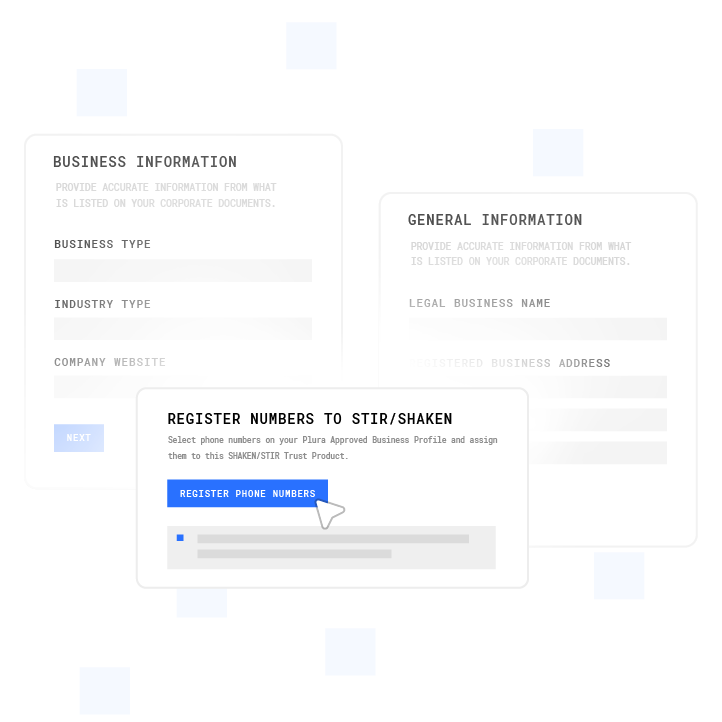
That sysadmin dependency is the gap Plura AI was built to close. For high-volume operators who reach the crossover point and prefer not to carry a Linux/Asterisk sysadmin on payroll, Plura is designed for that scenario. Plura operates its own FCC-licensed audio bridging carrier, which changes the compliance picture. Branded caller ID is issued at the carrier level, STIR/SHAKEN authentication runs on every outbound call, and DNC scrubbing, TCPA-litigator screening, automated quiet hours, and consent logging are enforced inside the platform.1
Plura’s AI Predictive Dialer, AI Voice, and AI SMS share a Stateful Conversation Database so context carries across channels. The published agent build fee is $2,750 per agent, and every annual contract includes a 90-day opt-out window. Plura’s plans and rates are published for side-by-side comparison.
Plura’s value sits in the operating model. It removes the sysadmin role, the Asterisk maintenance, and the 2 a.m. emergency contractor calls. For operators who have priced that line item and concluded it does not pencil out, that operating model becomes the relevant comparison. See how Plura stacks up against other VICIdial alternatives on the compare page, or walk through the operating model side by side in a live session.
Frequently Asked Questions
How Much Does VICIdial Cost Per Month?
Most published guides place realistic all-in VICIdial cost around $130–$400+ per agent per month once server hosting, SIP trunking, technical administration, and compliance tools are included. For example, a self-hosted 25-agent team with a part-time contractor admin often lands around $4,125–$4,750 per month, which works out to roughly $130–$190 per agent.
Is VICIdial Open Source?
VICIdial is released under the AGPLv2 (Affero General Public License version 2), with earlier versions under GPLv2. The source code is freely downloadable from vicidial.org, which links to current svn/trunk snapshots and revision downloads. As noted earlier, the source-sharing obligation applies when you modify the code and offer that modified version as a service to external users.
What Are Some Alternatives to VICIdial?
Below roughly 30 agents, many operators find that per-seat hosted dialers deliver a lower total monthly cost. Above 100 agents with in-house technical staff, VICIdial often wins on price. For teams that want high-volume outbound performance without Linux and Asterisk overhead, Plura’s AI Predictive Dialer runs on Plura’s carrier stack with no server management required. A detailed comparison appears on the Plura compare page.
Do You Need a Sysadmin to Run VICIdial?
VICIdial environments require ongoing Linux and Asterisk administration, security patching, TLS management, and incident response. Many organizations staff this as a full-time role, while others rely on part-time contractors or managed providers. If that capability is not available internally or through a trusted partner, a managed hosting or hosted dialer model often fits better operationally.
Conclusion
VICIdial delivers a $0 license with a meaningful operating cost. Most of the spend sits in infrastructure, telecom, and the sysadmin function that keeps the stack stable. For centers above roughly 30 agents with reliable technical coverage, that trade-off often works. For teams that want dialer output without carrying Linux and Asterisk expertise, a managed model like Plura’s provides a different cost structure and risk profile.
See how Plura’s managed model compares to your current VICIdial plan.
1 Plura AI maintains SOC 2, HIPAA, ISO, and GDPR posture as part of its platform infrastructure. References to compliance frameworks in this article describe Plura’s platform capabilities and do not constitute a guarantee that any customer using Plura will themselves be compliant with applicable laws or standards. Customers remain solely responsible for their own regulatory obligations, certifications, consent management, recordkeeping, and the claims they make to their own end users. Consult qualified legal counsel for guidance specific to your use case.
2 This article describes regulatory frameworks at a general level and does not constitute legal advice. Laws and regulations vary by jurisdiction, change over time, and apply differently depending on facts and circumstances. Readers should consult qualified legal counsel before making compliance decisions.
3 Performance figures, customer outcomes, and industry statistics referenced in this article are drawn from cited third-party sources or Plura customer case studies. Individual results vary based on implementation, use case, industry, audience, and execution. Past or aggregate performance is not a guarantee of future results.
4 References to third-party products, services, companies, or research are made for informational and comparative purposes only. Plura AI is not affiliated with, endorsed by, or sponsored by any third party named in this article unless explicitly stated. Trademarks and product names referenced remain the property of their respective owners.
This article is provided for informational purposes only and reflects Plura AI’s understanding at the time of publication. Product capabilities, integrations, and specifications are subject to change. For the most current information, visit plura.ai.
This article was produced with the assistance of AI tools and reviewed by Plura AI prior to publication.