
Written by: Matt Beucler, CEO, Plura AI
Updated September 2026
Key Takeaways
- After-hours call answering services give every caller a live response instead of voicemail, which captures leads and books appointments in real time.
- Core features to evaluate include 24/7 availability, emergency dispatch, real-time appointment scheduling, lead qualification, custom scripting, and missed-call recovery.
- AI-powered services outperform live receptionists on speed, consistency, scalability, and cost, with instant response and native CRM integrations.
- Industry-specific needs vary: home services prioritize emergency dispatch and booking, healthcare focuses on HIPAA alignment, legal requires intake qualification, and real estate emphasizes instant lead capture.
- Plura AI delivers AI-powered after-hours coverage that answers in under 5 seconds, integrates with 50+ platforms, and maintains SOC 2 Type II and HIPAA-aligned compliance. See how Plura AI can handle your after-hours calls.
Essential Features for After-Hours Answering Services
Effective after-hours answering services answer quickly, capture caller information, follow your business rules, and escalate issues correctly. Twenty-seven percent of all business calls arrive outside normal working hours, and 80% of callers will not leave a voicemail.3 Every unanswered after-hours call becomes a lead your competitor can win. Here are the six core features to evaluate:
- 24/7 Availability: The service answers every call, every hour, including weekends and holidays. AI voice agents in Plura AI’s platform answer on the first ring with under 5 seconds to first contact. Live services depend on available operators and may queue callers during peak periods.
- Emergency Dispatch and Warm Transfers: Urgent calls route to on-call staff via phone, SMS, or paging. Look for rule-based routing that identifies emergencies and escalates within defined SLAs. This capability is critical for home services such as burst pipes or no heat, and for healthcare after-hours clinical concerns.
- Appointment Scheduling: The service books directly into your calendar in real time. Traditional live operator bureaus typically cannot book appointments and only take messages. AI services book directly on live calendars at any hour. This feature represents one of the sharpest dividing lines between service models.
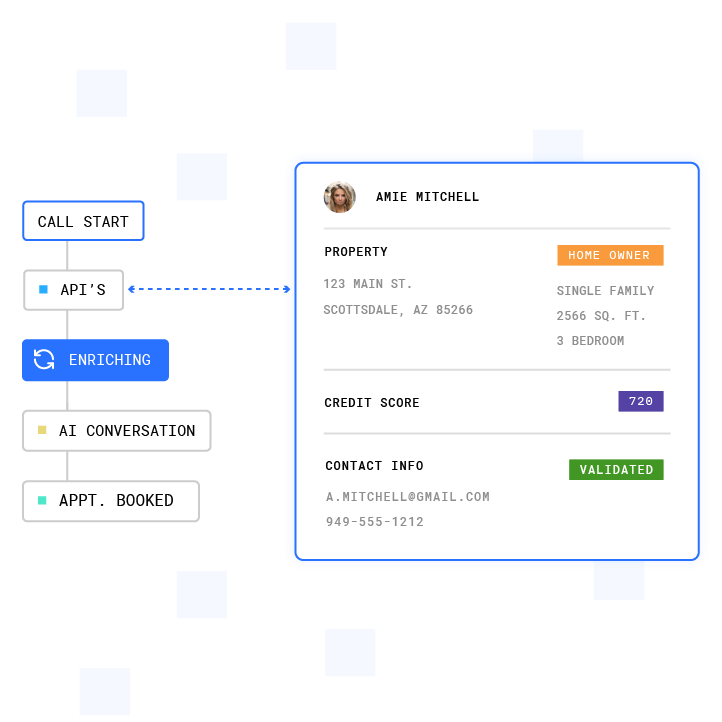
- Lead Capture and Qualification: The service asks custom screening questions to gather caller details, budget, project scope, and urgency. Plura’s AI agents enrich leads with 30+ data sources in real time during the conversation. Your team receives qualified leads with full context.
- Custom Scripting: The service uses your brand voice, terminology, and business rules. AI agents run your approved scripts consistently on every call with no script drift and no quality drop between new and seasoned agents.
- Missed-Call Recovery: When calls are missed, the service proactively reaches out. AI services can reactivate missed callers via SMS or voice within seconds, which captures leads that might otherwise call a competitor.
Technical Capabilities That Keep Operations Smooth
Technical capabilities determine whether an after-hours service fits cleanly into your operation or creates extra manual work for your team.
- CRM and Calendar Integrations: The service should automatically log calls, transcripts, and contact data into your existing tools. Plura’s integrations cover 50+ platforms including Salesforce, HubSpot, Google Calendar, Calendly, and Zapier. Every after-hours lead appears in your CRM before morning.
- Bilingual Support: English and Spanish coverage now count as standard. AI services detect the caller’s language within seconds and switch automatically. Live services may charge a 10-20% premium for bilingual operators.
- Secure Message Delivery: Notifications arrive via encrypted SMS, email, or a dedicated app. For healthcare practices, this matters because unencrypted SMS for protected health information (PHI) is a documented compliance gap under 45 CFR 164.502(e). Verify that message delivery aligns with HIPAA requirements and consult qualified counsel for your specific obligations.
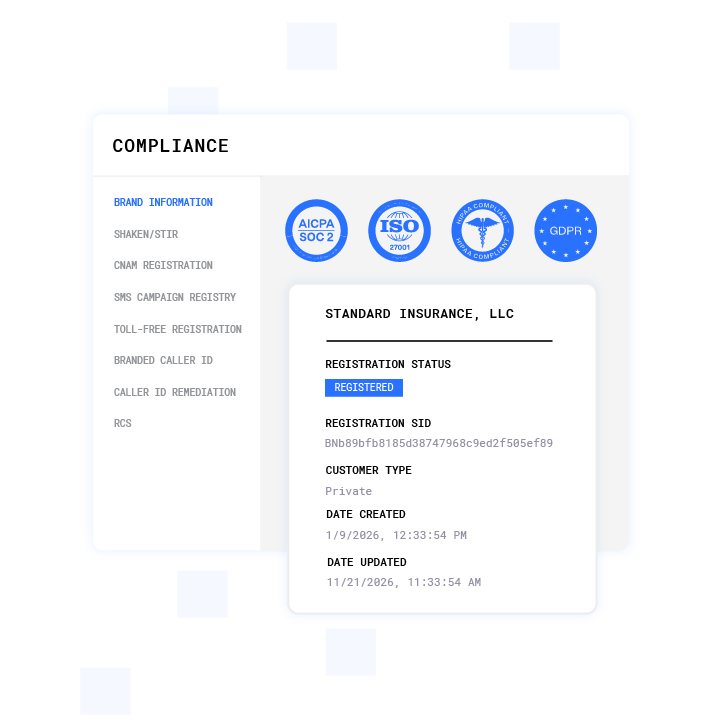
- Compliance Standards: Verify SOC 2 Type II certification, HIPAA alignment, and TCPA and DNC compliance support.2 Plura is SOC 2 Type II certified, HIPAA-aligned, ISO certified, and supports TCPA and DNC compliance with real-time scrubbing on every outbound contact.1
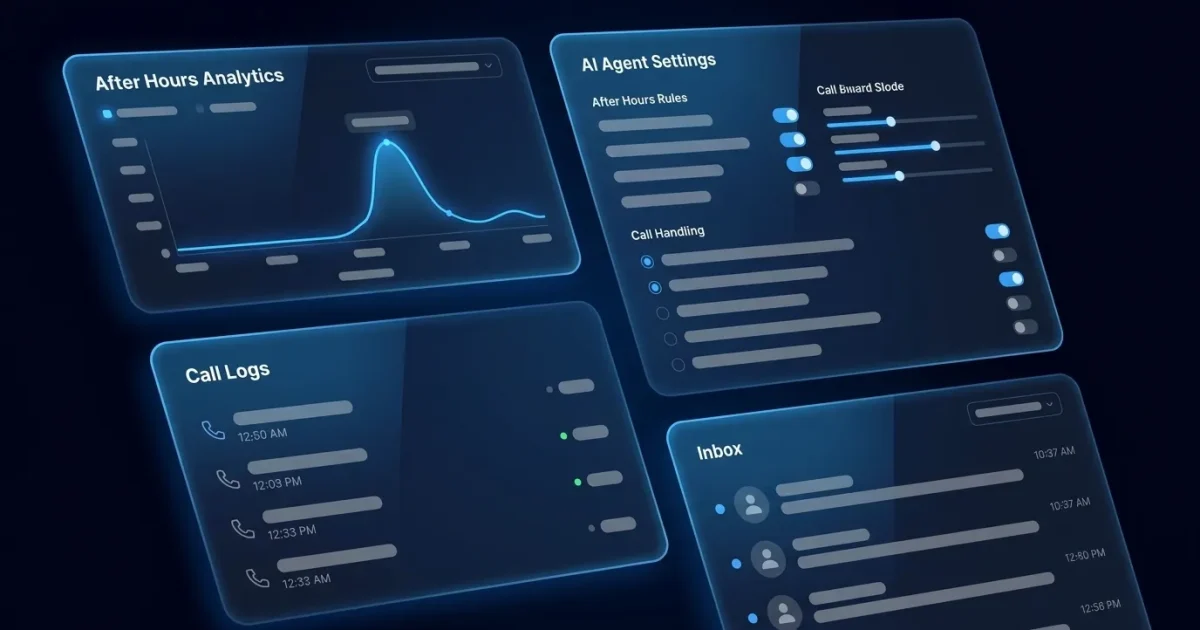
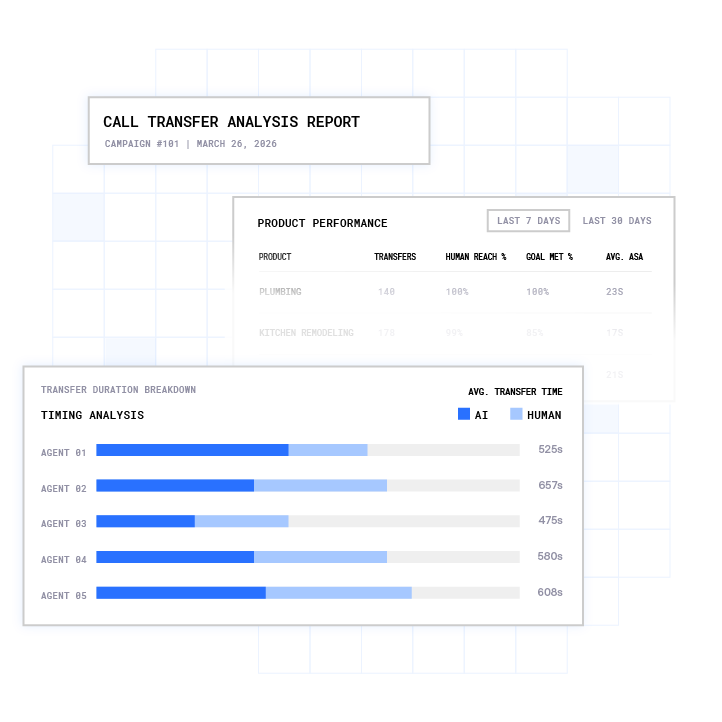
- Analytics and Reporting: Dashboards should track call volume, peak hours, answer rates, conversion outcomes, and caller sentiment. AI services provide full transcripts and conversation intelligence automatically. Live services vary widely in reporting depth.
Live vs. AI After-Hours Answering: Feature Comparison
The table below contrasts live receptionists and AI answering services across the features that matter most for after-hours coverage. AI typically wins on speed, cost, and scalability, while live services retain an edge for emotionally complex calls.
| Feature | Live Receptionist | AI Answering Service |
|---|---|---|
| Availability | Staffed hours, after-hours premiums of 25-50% | True 24/7/365 at no premium |
| Response Time | 8-45 seconds typical, queues during peaks | Under 5 seconds to first contact |
| Scalability | 4-8 weeks to recruit and train additional agents | Instant, handles unlimited concurrent calls |
| Cost Structure | $825-$2,100/month at 200 calls | $65-$200/month at 200 calls |
| Consistency | Varies by operator, shift, and call volume | Identical script quality on every call |
| Compliance Support | HIPAA BAA available, training varies by vendor | SOC 2 Type II, HIPAA-aligned, TCPA and DNC enforcement |
| Language Support | English plus Spanish add-on, 10-20% bilingual premium | 20+ languages with automatic detection |
| Integration Depth | Manual data entry or basic CRM sync | Native 50+ integrations with real-time logging |
Live receptionists excel at emotionally complex calls where human judgment matters more than script depth. For high-stakes, low-volume practices such as funeral homes, criminal defense, and therapy, a live human often justifies the per-minute price. AI services win on speed, consistency, cost, and scalability. For high-volume businesses, where 70-80% of after-hours calls are routine, AI delivers better coverage at a fraction of the cost. These routine calls include booking, FAQs, and intake.
Feature comparisons set the baseline. The right choice also depends on your industry and call patterns.
Book a live demo with Plura AI to evaluate AI-powered after-hours coverage for your call volume.
Industry-Specific Feature Priorities
Feature priorities shift by industry, so different sectors should weigh capabilities differently.
- Home Services: Emergency dispatch and after-hours booking are non-negotiable. Plura AI voice agents answer 100% of inbound calls within two rings and book jobs, send confirmations, and log directly to your CRM while your crews work or sleep. Home services teams lose 30-45% of inbound calls to voicemail when technicians are on jobs. AI captures every call at flat-rate pricing that does not spike during storm response.
- Healthcare: HIPAA alignment functions as the gating feature. Verify a signed Business Associate Agreement (BAA), encrypted message delivery, and audit logging. Under 45 CFR 164.502(e), any entity that creates, receives, maintains, or transmits PHI on behalf of a covered entity qualifies as a business associate.2 Plura is HIPAA-aligned with sensitive-data redaction. AI-powered appointment reminders can improve no-shows by up to 40%.3 Consult qualified counsel for your specific HIPAA obligations.
- Legal: Intake qualification and confidentiality dominate. The service must screen callers against firm criteria, capture detailed case information, and protect privileged communications. AI conducts structured intake interviews consistently. Law firms using AI for initial client intake convert 23% more inquiries into paying clients.3
- Real Estate: Lead capture and instant response drive outcomes. Harvard Business Review research found that companies responding within five minutes are 100 times more likely to connect with a prospect than those waiting 30 minutes.3 AI answers instantly, qualifies buyer intent, and books showings, which captures leads before competitors respond.
After-Hours Answering Service Cost: Pricing Models Compared
Pricing models shape your long-term cost, so understanding them upfront prevents surprises.
- Per-Minute: $0.75-$1.50/minute for live services, with after-hours premiums of 25-50%. A business handling 200 after-hours minutes monthly pays $150-$300 before overages and surcharges.
- Per-Call: $0.80-$5.00 per call for live services. Overage and transfer fees add up quickly at higher volumes.
- Flat Monthly: AI services typically range $29-$349/month with 24/7 coverage included. Live flat-rate plans run $200-$600+ for limited minutes with overage charges.
The structural difference is simple. Live services charge for human time and scale linearly with volume. AI services charge for capacity and remain flat. At 200 calls per month, expect $825-$2,100 for live coverage versus $65-$200 for AI, a 4x to 10x gap that widens as volume grows.3 Plura delivers 3x average ROI in 90 days with predictable per-conversation pricing.1 Compare plans and rates side by side.
How to Evaluate and Choose a Service
A structured checklist keeps vendor evaluations objective and comparable.
- Response Time: Confirm the guaranteed answer rate and speed. Get SLAs in writing.
- Coverage Hours: Confirm whether 24/7/365 is included or whether after-hours calls carry a premium price.
- Scalability: Confirm that the service can handle 3-5x your peak volume without degradation. Plura AI enables businesses to handle 3x to 5x call volume during peak seasons without temporary staff.
- Integration Capabilities: Check whether it connects natively to your CRM, calendar, and dispatch tools.
- Compliance Certifications: Verify SOC 2 Type II, HIPAA alignment, and TCPA and DNC enforcement support. Confirm that these operate as real controls, not just marketing claims.
- Reporting: Ensure you can access full transcripts, call recordings, and outcome analytics.
- Cost Structure: Confirm whether pricing stays flat and predictable or scales with minutes, fees, and premiums.
Test with real scenarios. Run mock calls that match your hardest cases, such as an emergency dispatch, a sensitive intake, or a Spanish-language caller. Review the transcripts and ask to hear actual recorded calls. A 30-day pilot with parallel routing reveals more than any vendor demo.
Conclusion
Missed after-hours calls create invisible revenue leakage. Eighty-two percent of callers who do not reach you will call a competitor instead. Modern after-hours call answering services now provide full conversational coverage, and the features you choose determine whether you capture or lose that revenue.
For high-volume businesses needing 24/7 coverage, AI-powered services deliver the features that matter most: instant response, consistent quality, native integrations, and compliance support at the lower cost mentioned earlier. Plura answers in under 5 seconds, scales instantly to handle any call volume, and runs on SOC 2 Type II certified, HIPAA-aligned infrastructure with TCPA and DNC compliance support built in.
Compare plans and rates side by side.
Frequently Asked Questions
What is an after-hours answering service?
An after-hours call answering service answers your business phone calls when your team is offline, covering nights, weekends, and holidays. Services use live human receptionists or AI agents to capture leads, book appointments, dispatch emergencies, and take messages so callers never reach voicemail. Modern AI-powered services conduct full intake interviews, qualify leads against custom criteria, and book directly into your calendar in real time.
How much does an after-hours answering service cost?
Live services typically cost $150-$1,500+ per month depending on call volume, with after-hours premiums of 25-50% stacked on top. True 24/7 live coverage often runs $800-$1,500 or more per month once overnight and weekend labor costs are factored in. AI services range from $29-$349/month with 24/7 coverage included at no premium. As noted earlier, the cost gap at 200 calls is roughly 4x to 10x. The gap widens as volume grows because live services scale linearly with minutes while AI services charge for capacity and remain flat.
What features should an after-hours answering service have?
Core features include 24/7 availability, emergency dispatch and warm transfers, appointment scheduling, lead capture and qualification, custom scripting, and missed-call recovery. Technical features to verify include CRM and calendar integrations, bilingual support, secure message delivery, compliance standards such as SOC 2 Type II, HIPAA alignment, TCPA and DNC support, and analytics reporting with full call transcripts. Real-time calendar booking represents the sharpest dividing line between service models, because traditional live operator bureaus typically take messages only while AI services book directly on live calendars at any hour.
Are AI answering services as good as live receptionists?
For routine after-hours calls covering booking, FAQs, and intake, AI matches or exceeds live receptionists on speed, consistency, and cost. AI answers in under 5 seconds versus 8-45 seconds for live operators, handles unlimited concurrent calls, and costs significantly less. Live receptionists remain better for emotionally complex calls requiring human judgment, such as grief, crisis, or high-stakes negotiations outside a defined script. The practical framework most operators uses treats AI as the always-on front line for the routine majority of calls, with humans handling the smaller share that genuinely needs a person.
Can an answering service integrate with my CRM?
Most modern services offer CRM integration, but depth varies significantly. AI services like Plura natively integrate with 50+ platforms including Salesforce, HubSpot, and Google Calendar, automatically logging every call, transcript, and lead in real time during the conversation. Live services vary widely. Some require manual data entry, others offer basic CRM sync via Zapier middleware, and few provide the real-time enrichment that AI services deliver. When evaluating vendors, ask specifically whether CRM logging happens automatically after every call or requires manual action from your team.
How do I choose the best after-hours answering service?
Evaluate response time SLAs, true 24/7 coverage without after-hours premiums, scalability to handle peak volume, integration depth with your existing CRM and calendar tools, compliance certifications and operational controls, reporting quality with full transcripts, and cost structure. Test vendors with real scenarios matching your hardest calls before committing. For high-volume businesses where most after-hours calls are routine, AI services deliver better coverage at lower cost. For low-volume, high-emotion practices where every call requires human judgment, live receptionists often justify their premium. Many growing businesses adopt a hybrid model with AI handling the front line and humans on escalation.
1 Plura AI maintains SOC 2, HIPAA, ISO, and GDPR posture as part of its platform infrastructure. References to compliance frameworks in this article describe Plura’s platform capabilities and do not constitute a guarantee that any customer using Plura will themselves be compliant with applicable laws or standards. Customers remain solely responsible for their own regulatory obligations, certifications, consent management, recordkeeping, and the claims they make to their own end users. Consult qualified legal counsel for guidance specific to your use case.
2 This article describes regulatory frameworks at a general level and does not constitute legal advice. Laws and regulations vary by jurisdiction, change over time, and apply differently depending on facts and circumstances. Readers should consult qualified legal counsel before making compliance decisions.
3 Performance figures, customer outcomes, and industry statistics referenced in this article are drawn from cited third-party sources or Plura customer case studies. Individual results vary based on implementation, use case, industry, audience, and execution. Past or aggregate performance is not a guarantee of future results.
This article is provided for informational purposes only and reflects Plura AI’s understanding at the time of publication. Product capabilities, integrations, and specifications are subject to change. For the most current information, visit plura.ai.
This article was produced with the assistance of AI tools and reviewed by Plura AI prior to publication.