
Written by: Matt Beucler, CEO, Plura AI
Updated September 2026
Key Takeaways
- Speed to lead functions as a revenue metric. Responding within 5 minutes delivers a major connection advantage over slower competitors, yet the average B2B response time still sits above 40 hours.
- The eight core bottlenecks fall into four categories: technology (CRM lag, manual routing), data quality (incomplete forms, spam leads), human friction (rep burnout, after-hours gaps), and business impact (lead leakage, wasted ad spend).
- Each pain point is fixable through automation, real-time data enrichment, AI-powered engagement, and coordinated workflows that remove manual delays.
- AI agents that operate 24/7 across voice, SMS, and webchat can shrink response times from hours to seconds while preserving context and supporting compliance across every channel.
- Plura AI delivers measurable gains in revenue and response speed. Schedule a live demo to see how its AI agents remove these bottlenecks in real time.
The Problem: Speed To Lead As A Revenue Multiplier
Lead response time functions as a revenue metric, not a service metric. Contacting a lead within 5 minutes makes you up to 100x more likely to connect, and a 60-second response lifts conversions by 391%.3 The average B2B response time still sits over 40 hours.3 That gap between best practice and average practice represents direct, recoverable revenue.
Slow response compounds across every channel. A 2026 mystery-shopper test across 1,000 companies found that 63.5% of companies never replied to a lead at all.3 When 78% of prospects choose to buy from the first responder,3 every hour of delay shifts revenue to a faster competitor.
The core issue usually sits in system design rather than rep motivation. As one industry analysis notes, “If your system is slow, your sales team will always look slow.” Fixing the problem means addressing bottlenecks across technology, data quality, human friction, and business impact.
See Plura AI in action and watch AI agents respond in under 5 seconds, 24/7.
The Solution: Diagnose And Fix The 8 Core Speed To Lead Bottlenecks
Pain Point 1: Technology Bottlenecks In CRM And Lead Routing
The Problem: Traditional CRMs and routing tools often process leads in batches. Leads sit in the system for minutes or hours before a rep receives a notification. Manual lead routing adds 30 to 90 minutes of delay during business hours and 12 or more hours outside them.3 Disconnected systems create invisible delays when forms do not integrate cleanly with CRM, fields fail to map, or webhooks fail silently.
Diagnostic Question: Measure the time from form submission to rep notification in your current stack. Any delay beyond 60 seconds signals a technology bottleneck.
The Fix: Automate lead capture, routing, and notification as a single flow. Leads should enter your CRM instantly, route to the right rep based on rules such as territory, availability, and priority, and trigger immediate alerts via SMS, Slack, or mobile push. Plura’s AI SMS agents text every lead in seconds, qualify them, and live-transfer hot buyers to reps, so humans no longer sit in the critical path of first response.
Pain Point 2: Data Quality Issues From Incomplete Forms And Spam
The Problem: Poor data quality at capture slows routing and response. Routing rules depend on clean, structured data. Without qualifying details such as company size, use case, budget, and intent, every lead looks identical and manual review returns even when automation exists. Spam and junk leads intensify the drag. Reps waste time chasing fake numbers or clearly unqualified prospects, which erodes motivation and accelerates burnout.
Diagnostic Question: Track the percentage of inbound leads that are spam, unqualified, or missing critical contact information. Lack of visibility here signals a data quality gap.
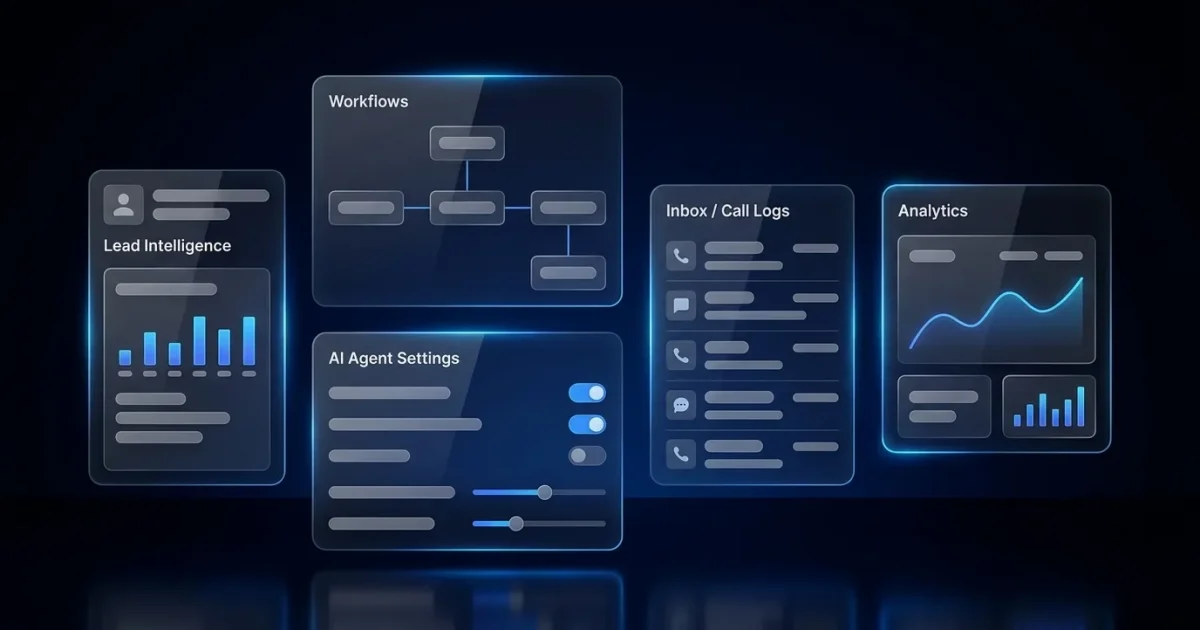
The Fix: Start with validation and enrichment at the point of capture. Conditional logic in forms collects qualifying data without creating long, intimidating forms. Anti-spam controls such as honeypot fields, time-based submission checks, and email domain validation filter out junk before it reaches your team. Once the signal improves, enrich leads automatically with firmographic data before they enter the CRM. Plura’s AI Lead Intelligence enriches every lead with 30 or more data sources in real time during the conversation across every channel.
Pain Point 3: Human Friction From Rep Burnout And After-Hours Gaps
The Problem: Expecting human reps to respond to leads within 2 to 5 minutes, around the clock, does not scale. Industry average annual agent turnover in contact centers runs 30 to 45%, and training takes 6 to 8 weeks before handling live calls.3 Inbound leads continue after the office closes, and evening or weekend inquiries often wait 12 to 15 hours, which crushes conversion rates.
Diagnostic Question: Track average response time for leads that arrive outside business hours. If that metric sits in hours, nightly revenue loss is already baked into your funnel.
The Fix: Deploy AI agents that work 24/7 and share context with your team. Plura’s AI voice agents answer every call on the first ring, qualify leads, answer common questions, and live-transfer hot buyers to reps with full context. For text-based leads, AI SMS agents engage in seconds, hold a real conversation, qualify the buyer, then call and live-transfer them to your rep. Together, these agents close the after-hours gap without adding headcount.
Pain Point 4: Business Impact From Lead Leakage And Wasted Ad Spend
The Problem: Slow response sends prospects to competitors. Vendors who respond first win up to 50% of the business, and 81.2% of companies with average response times over one hour report regularly losing leads to competitors.3 Every uncontacted lead burns marketing budget. An experiment with demo requests to 1,000 B2B websites found an average 29-hour wait for a response, and 63% of businesses never responded.3
Diagnostic Question: Quantify the percentage of inbound leads never contacted or contacted after 24 hours, then estimate the associated annual revenue exposure.
The Fix: Treat response time as a core KPI. Track time-to-first-contact, never-responded rate, and conversion rate by response-time band. Create a service-level agreement for lead response with automated escalation when breaches occur. Organizations using AI for speed to lead report response times dropping from hours to seconds and connection rates rising by 3x to 5x.3
Pain Point 5: Channel Fragmentation Across Voice, SMS, And Webchat
The Problem: Leads arrive from many channels: website forms, phone calls, SMS, live chat, and social media. Most teams still lack a unified view. A 2024 lead capture survey found marketers using a mix of channels for follow-up, with many reporting limited or no visibility into what happens once a lead moves from initial capture into the sales process. Data moving between a website form, marketing automation platform, and CRM often stalls or fails to sync.
Diagnostic Question: Confirm whether you can see every interaction a lead has had with your company across voice, SMS, email, and webchat in a single view. If not, channel fragmentation is in play.
The Fix: Move to true omnichannel orchestration. Plura’s AI voice agents, AI SMS agents, and AI webchat all share a Stateful Conversation Database. Every interaction keys to the customer by phone, email, or ID, and every channel inherits the full memory of prior touchpoints. A customer who texts at 9 a.m. is recognized as the same person when the call comes at noon.
Pain Point 6: Compliance Constraints Slowing Outreach
The Problem: Concerns about the Telephone Consumer Protection Act (TCPA) and Do Not Call (DNC) registries often slow outreach. Teams worry about consent records, calling windows, and litigation risk, so they hesitate or avoid outbound contact.
Diagnostic Question: Review whether compliance concerns cause your team to delay or skip lead contact and whether every outbound record is checked against DNC registries before dialing.
The Fix: Use automation that supports DNC scrubbing and recordkeeping. Plura’s compliance engine checks every outbound contact against federal and state DNC registries in real time before dial, with consent records that are timestamped, immutable, and audit-ready. Quiet-hours rules apply automatically through time-zone detection. The platform supports compliance efforts related to TCPA, DNC, SOC 2, HIPAA, ISO certification, GDPR, and SHAKEN/STIR caller ID verification.1,2 Customers remain responsible for their own regulatory obligations and should consult qualified counsel on their specific compliance posture.
Pain Point 7: Lack Of Lead Prioritization
The Problem: Treating every inbound lead on a first-in, first-out basis means a high-intent enterprise buyer waits in the same queue as a student researching a project. Reps spend time on low-quality leads while high-value opportunities cool off, and missing priority routing drains motivation.
Diagnostic Question: Confirm whether demo requests and pricing inquiries route and receive outreach before lower-intent actions such as content downloads and newsletter signups.
The Fix: Introduce AI lead scoring. Plura’s AI Lead Intelligence enriches every lead with 30 or more data sources and scores them in real time. High-intent leads route immediately to senior reps, while lower-intent leads enter nurture sequences. Your best reps then focus on the highest-value conversations.
Pain Point 8: Weak Follow-Up Cadence And Single-Touch Outreach
The Problem: The average salesperson makes 1.3 follow-up attempts before stopping, with 44% stopping after the first attempt, yet 80% of sales require 5 or more follow-ups. A Velocify study of nearly 3.5 million lead records found that 93% of leads that eventually convert are reached by the sixth call attempt.3
Diagnostic Question: Measure how many follow-up attempts your team makes on average before closing a lead as unreachable. A number below five signals missed revenue.
The Fix: Automate multi-touch sequences across channels. Plura’s AI agents maintain persistent follow-up across voice, SMS, and email with 7 to 12 touches. The AI continues the conversation when the customer replies and escalates to voice or a human handoff when the workflow calls for it.
See how Plura handles all eight bottlenecks on a single stateful platform.
Diagnostic Checklist: Assess Your Speed To Lead
Use this self-audit to pinpoint your organization’s specific bottlenecks:
- What is your average lead response time? Track median and P90 alongside average to avoid hiding performance gaps.
- Do you have after-hours coverage, and what is your response time for leads that arrive between 6 p.m. and 8 a.m.?
- Are your leads enriched with firmographic data before they reach a rep?
- What percentage of your inbound leads are spam or clearly unqualified?
- Can you see every interaction a lead has had across voice, SMS, email, and webchat in one place?
- How many follow-up attempts does your team make before closing a lead as unreachable?
- Do you have an SLA for lead response with automated escalation when breaches occur?
- Are your highest-intent leads routed and contacted before lower-intent leads?
How Plura AI Improves Speed To Lead
Plura AI is an FCC-licensed platform of AI agents that run voice, SMS, RCS, and webchat conversations on 100% U.S. infrastructure, contacting leads in under 5 seconds, 24/7, across every channel.
AI SMS Agents: Plura’s AI SMS agents text every lead in seconds, qualify them using 50 or more data sources, and live-transfer hot buyers to reps. The AI holds a real text conversation, calls ready buyers, and live-transfers them to your rep, turning inbound texts into warm transfers.
AI Voice Agents: Plura’s AI voice agents answer every call on the first ring, qualify leads, answer questions, and live-transfer hot buyers to reps with full context. This approach removes missed calls, after-hours gaps, and voicemail dead ends.
AI Predictive Dialer: Plura’s AI predictive dialer has the phone ringing in two seconds, qualifies leads, live-transfers the hottest prospects, and books meetings with the rest. Reps spend about 47 minutes of every hour in live conversations instead of 12.
Plura delivers documented gains in ROI, pipeline, and response speed. Run your numbers through Plura’s ROI calculator to model the impact on your own funnel.
Speed To Lead Best Practices
- Respond Within 5 Minutes. The 100x connection advantage applies when you respond inside the 5-minute window. Every additional minute erodes your odds.
- Use Multiple Channels. Phone contact within 5 minutes connects with more than 80% of leads, and automated instant SMS is the most reliable way to hit sub-5-minute response overnight or on weekends.
- Prioritize Hot Leads. Route demo requests and pricing inquiries immediately. Let lower-intent leads enter nurture sequences with lighter-touch follow-up.
- Automate Follow-Up. The average rep stops after 1.3 attempts. Automated multi-touch sequences keep outreach going so qualified leads do not slip through the cracks.
- Measure Response Time. Track average, median, and P90 response time. Median and P90 reveal where deals actually stall while averages can hide extreme delays.
Frequently Asked Questions
What Is A Good Speed To Lead Response Time?
A strong speed to lead target sits under 5 minutes for high-intent inbound leads such as demo requests, pricing inquiries, and callback requests during business hours, with a 15-minute target after hours. Top-performing teams often aim for sub-60-second response times on demo and pricing requests. Only 7% to 23% of companies respond within 5 minutes, so hitting this benchmark places you among the fastest B2B teams. For lower-intent actions like content downloads or newsletter signups, a same-business-day response generally performs well.
Why Is My Speed To Lead Slow?
Slow speed to lead usually reflects systems issues rather than individual rep performance. Common causes include manual lead routing, where leads sit in queues waiting for assignment, and disconnected tech stacks, where forms do not integrate cleanly with CRM and create sync delays. Poor data quality from incomplete forms and spam leads slows routing, while after-hours gaps leave leads untouched when the office is closed. Lack of measurement and clear SLAs hides these delays. Improving performance requires addressing all four bottleneck categories together instead of coaching reps in isolation.
How Do You Improve Speed To Lead?
Improve speed to lead by automating four layers of response. First, capture leads so they move into your CRM instantly. Second, route leads based on rules such as territory, availability, and priority. Third, notify reps immediately through SMS, Slack, or mobile push. Fourth, maintain automated multi-touch follow-up so outreach continues across at least five attempts. AI-powered tools like Plura can contact leads in under 5 seconds, 24/7, across voice, SMS, RCS, and webchat. Pair automation with lead scoring so your highest-intent leads always reach the right rep first.
What Causes Slow Lead Response?
Slow lead response stems from operational bottlenecks across four categories. Technology issues include CRM lag, manual routing, and fragmented tool stacks where data moves in batches instead of real time. Data quality issues include incomplete forms, spam leads, and outdated contact information that force manual review. Human friction includes rep burnout, after-hours gaps, and slow manual follow-up where reps stop after one or two attempts. Business impact issues include lead leakage, wasted ad spend, and hidden revenue loss that accumulates while traffic and cost-per-lead metrics appear stable.
What Is The Business Impact Of Slow Lead Response?
Slow lead response reduces revenue at every stage of the funnel. Leads contacted within 5 minutes convert at about 21% versus 2.3% for a next-day reply.3 Companies responding within 5 minutes are 21x more likely to qualify a lead than those waiting 30 minutes.3 For a team generating 500 leads per month, improving response speed from 24 or more hours to under 1 minute can increase monthly revenue from $12,440 to $447,000 without additional marketing spend, new hires, or product changes.3 Slow response also wastes ad spend, inflates cost per acquisition, and signals disorganization to prospects who are often evaluating several competitors at once.
Conclusion
Slow lead response reflects a systems problem rather than a rep problem. Each of the eight bottlenecks represents a fixable operational gap, and together they show that response time behaves as a systems metric. Teams that redesign their systems to respond while intent is still high capture more revenue from the same marketing spend.
Plura AI addresses these bottlenecks by combining AI-powered voice, SMS, RCS, and webchat agents on a single stateful platform. Every lead receives contact in under 5 seconds, 24/7, with full context across channels. Request a live Plura demo to see how a systems-level fix to speed to lead translates into pipeline and revenue growth.
1 Plura AI maintains SOC 2, HIPAA, ISO, and GDPR posture as part of its platform infrastructure. References to compliance frameworks in this article describe Plura’s platform capabilities and do not constitute a guarantee that any customer using Plura will themselves be compliant with applicable laws or standards. Customers remain solely responsible for their own regulatory obligations, certifications, consent management, recordkeeping, and the claims they make to their own end users. Consult qualified legal counsel for guidance specific to your use case.
2 This article describes regulatory frameworks at a general level and does not constitute legal advice. Laws and regulations vary by jurisdiction, change over time, and apply differently depending on facts and circumstances. Readers should consult qualified legal counsel before making compliance decisions.
3 Performance figures, customer outcomes, and industry statistics referenced in this article are drawn from cited third-party sources or Plura customer case studies. Individual results vary based on implementation, use case, industry, audience, and execution. Past or aggregate performance is not a guarantee of future results.
This article is provided for informational purposes only and reflects Plura AI’s understanding at the time of publication. Product capabilities, integrations, and specifications are subject to change. For the most current information, visit plura.ai.
This article was produced with the assistance of AI tools and reviewed by Plura AI prior to publication.