

Written by: Matt Beucler, CEO, Plura AI
Key Takeaways
- Med spas miss 20-40% of inbound calls, and 85% of those callers never call back.3 This creates a structural revenue leak that can exceed $500k annually for a single location.
- Missed call recovery systems automatically text or call back within seconds, qualify interest, and book appointments directly into your calendar without adding staff.
- Key features to evaluate include sub-60-second text-back speed, direct scheduling integration, 24/7 coverage, human handoff for complex cases, and full compliance controls.
- Industry benchmarks show well-implemented systems recover 25-35% of missed callers, with top performers converting 40-50% into booked appointments and cutting missed-call rates by up to 67%.3
- Book a live demo with Plura AI to see how AI missed-call recovery runs on your existing phone system.
The True Cost Of Missed Calls For Med Spas
Missed calls create a predictable and preventable revenue leak for med spas. Industry estimates suggest med spas miss roughly 20-40% of inbound calls, often because providers are with clients and front-desk staff are already on other calls. A 2025 report by Neuwark, cited by The Thinking Robot, found the average medical practice misses 34% of inbound calls during business hours. Single-receptionist locations typically see even higher miss rates.
Each missed call carries high ticket value. The American Med Spa Association’s 2024 State of the Industry report states the average med spa patient spends $504 per visit, and 73% of med spa patients are repeat clients. A new aesthetic client often represents thousands of dollars across repeat treatments, packages, memberships, and referrals.
Caller behavior makes recovery time-sensitive. According to Invoca (2024), 85% of customers whose calls go unanswered will not call back. Practice Builders’ 2025 data shows 62% of patients hang up without leaving a voicemail. The after-hours gap compounds the issue. 41% of patient calls now happen outside standard business hours, and up to 46% of salon and spa bookings happen outside opening hours, according to Zenoti aggregate data.
Use the framework below to estimate your own monthly exposure.
| Input | Your Number |
|---|---|
| Inbound calls per day | ___ |
| Miss rate (20-35%) | ___ |
| Missed calls per day | ___ |
| Average ticket value ($200-$500+) | ___ |
| Monthly revenue loss (calls x miss rate x ticket x 30) | $___ |
Consider this worked example. A med spa receives 40 calls per day with a 30% miss rate and a $400 average ticket. Applying a 30% booking conversion rate on missed calls, it loses approximately $518,400 annually (40 x 0.30 x $400 x 0.30 x 30 x 12), not $144,000. This pattern reflects a structural leak. A single receptionist can only hold one conversation at a time. Adding staff only postpones the breaking point.
Book a live demo with Plura to see how AI missed-call recovery closes this gap for med spas at any call volume.
How Missed Call Recovery Works For Med Spas
Missed call recovery follows a simple workflow that moves from detection to booked appointment in five steps.
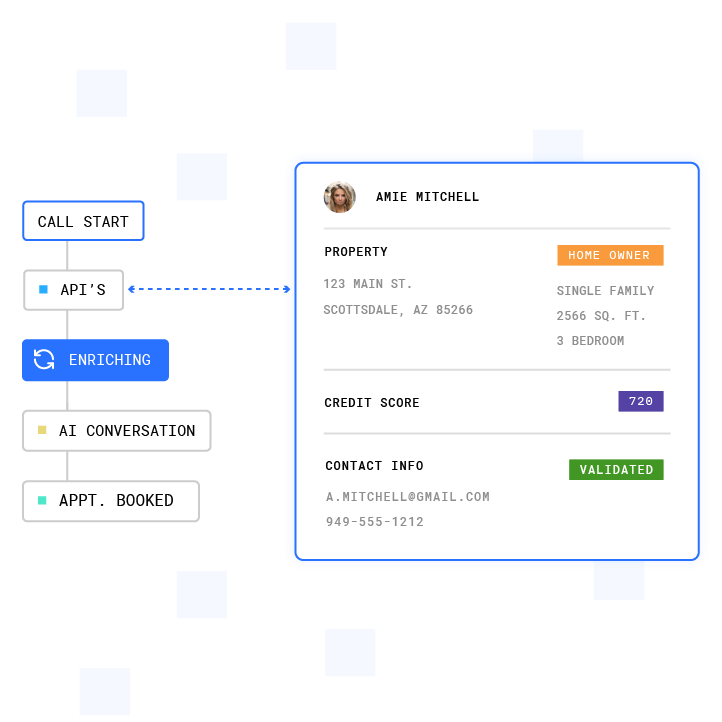
- Detection. A call rings unanswered past a threshold or arrives after hours. The phone system fires an automation event. Most modern VoIP and cloud phone systems can emit call events, so med spas usually do not need to replace their current phone system to implement recovery.
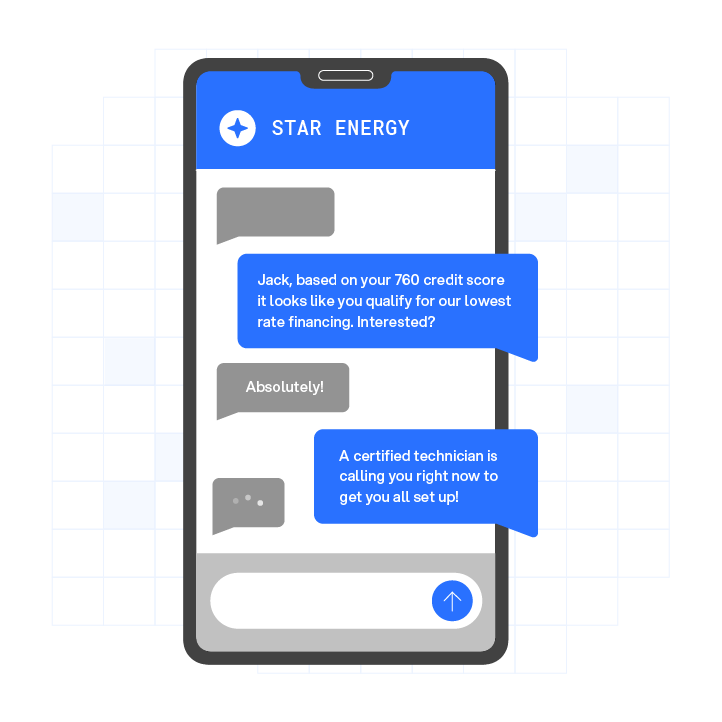
- Instant Text-Back. Within 30-60 seconds, the caller receives an SMS such as: “Sorry we missed your call. Are you looking for Botox, filler, or a facial today?” Gartner’s 2023 research found SMS carries a 98% open rate versus roughly 20% for email.4 so recovery flows rely on text. Plura’s AI SMS platform sends that first message in under 5 seconds.
- AI Qualification. The system asks a short sequence of qualifying questions about treatment interest, new versus returning patient status, and preferred timing. US Tech Automations advises keeping the flow to two or three exchanges, because every additional question drops the reply rate.
- Direct Booking. The system syncs with scheduling software such as Boulevard, Mindbody, Vagaro, Zenoti, Square, or Acuity. It sends a live booking link and writes the appointment directly to the calendar. See Plura’s integrations for the full directory of supported platforms.
- Human Handoff. Complex medical questions or high-value requests route via push alerts to available staff with full conversation context. The caller does not need to repeat details. Plura’s AI voice agent handles the same triage on inbound calls, answering on the first ring and warm-transferring when a workflow rule triggers.
Book a live demo with Plura to watch the full workflow run live on your phone number.
Essential Features In A Missed Call Recovery Platform
Use this checklist when you compare vendors for your med spa.
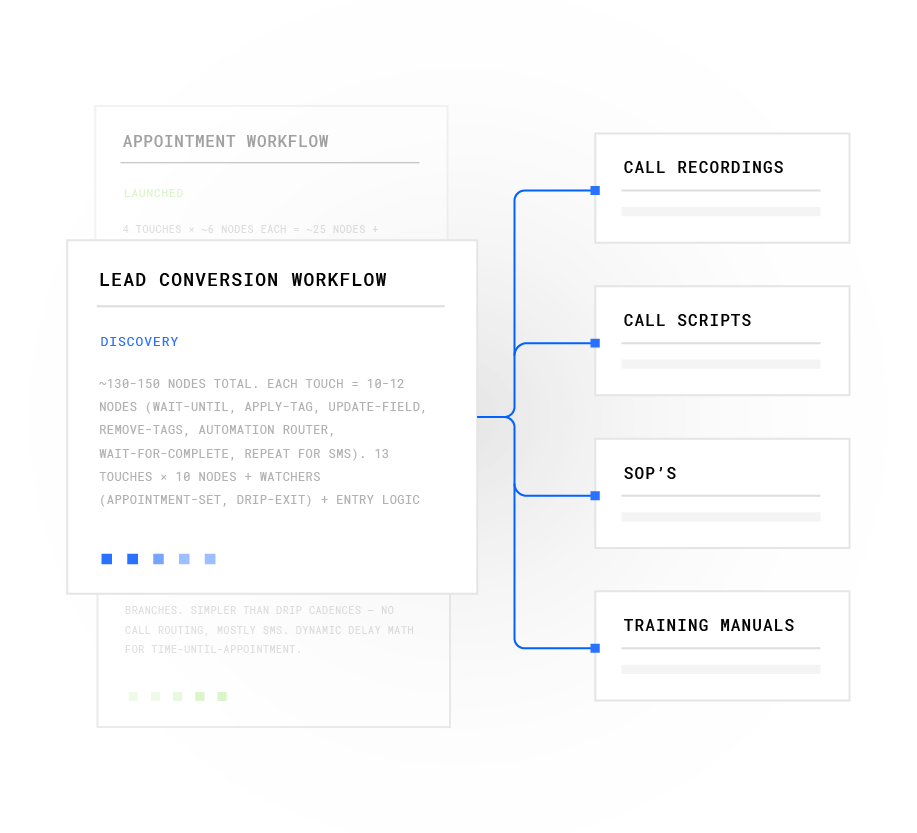
- Text-Back Speed. The first message should arrive within 60 seconds, ideally under 30 seconds. A slow text-back of 5 or more minutes loses most leads because the caller has usually booked elsewhere.
- AI Qualification. The system should capture treatment of interest, new versus returning patient status, and preferred timing, without asking for clinical details or making medical recommendations.
- Booking Integration. Look for direct calendar sync with Boulevard, Mindbody, Vagaro, Zenoti, Square, Acuity, or Calendly. The platform should check live availability and write bookings directly, rather than only collecting a name and number.
- 24/7 Coverage. The system should answer after-hours and weekend calls, when 41% of patient calls happen, per Practice Builders 2025.
- Human Handoff. Escalation rules should route medical questions, complaints, or high-value requests to staff with full conversation context.
- CRM Integration. Every missed call and outcome should log as a contact record with tags so you can track recovered revenue. Plura’s integrations connect to HubSpot, Salesforce, Zoho, and 50+ other tools.
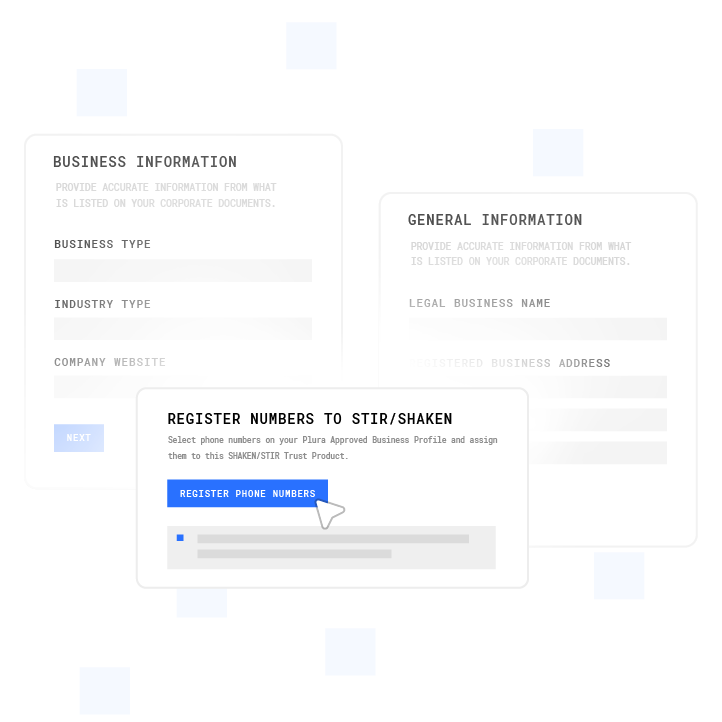
- Compliance Features. Look for real-time DNC scrubbing, TCPA consent management, quiet-hours enforcement, and opt-out handling. Plura’s platform includes real-time DNC scrubbing and TCPA consent management.1 Consult legal counsel for specific compliance questions regarding your practice.
The table below compares recovery approaches on the dimensions that matter most for med spas.
| Capability | Voicemail Only | Human Answering Service | AI Missed Call Recovery |
|---|---|---|---|
| Response time | 4-18 hours (callback) | Immediate (message-taking) | Under 60 seconds (text-back) |
| Booking ability | None | Rarely (message-taking only) | Direct calendar booking |
| After-hours coverage | Voicemail only | Yes (if staffed) | Yes (24/7 automated) |
| Cost | $0 | $300-$2,100/month | Varies by platform |
| Recovery rate | ~15% (voicemail callback rate under 20% per Forrester, 2022) | Varies | 25-35% of missed callers (industry benchmark) |
Step-By-Step Implementation Guide For Med Spas
- Calculate Your Miss Rate. Pull your call log for the last 7 days. Count total calls and missed calls, and separate business-hours from after-hours misses. Identify whether front-desk coverage or routing is the primary bottleneck before you choose a solution.
- Choose A Tool. Evaluate vendors against the feature checklist above. Shortlist only platforms that document consent capture, opt-outs, and human escalation, rather than a simple automatic “Sorry we missed you” message.
- Set Up SMS Templates. Write a branded, conversational first message under 320 characters that acknowledges the missed call, identifies the spa, and asks one clear question. Example: “Hi, this is [Spa Name]. Sorry we missed your call. Which treatment are you interested in, and what time works best this week?”
- Integrate With Scheduling Software. Connect the platform to Boulevard, Mindbody, Vagaro, or your existing calendar via Plura’s integrations. Test that bookings write directly and appear in real time.
- Train Staff On Handoff Procedures. Define which calls route to humans, such as medical questions, complaints, and VIP requests. Clarify how staff receive escalation alerts with full context.
- Test And Launch. Run a pilot with 20–50 scripted calls covering no answer, busy lines, repeat callers, booking changes, and opt-outs. Start with missed-call-only text-back during business hours for two weeks. Manually verify every automated reply, then expand to after-hours.
Measuring ROI For Missed Call Recovery
Track these metrics weekly to measure the revenue impact of your recovery program.
- Missed Calls Detected: Total unanswered calls that trigger the recovery workflow.
- Text-Back Delivery Rate: Percentage of missed callers who received the SMS.
- Reply Rate: Percentage of text-backs that received a response. Industry benchmark: 25-35% of missed callers are recoverable.
- Booking Rate: Percentage of replies that became booked appointments. Target: 30-40% lead-to-consult booking rate, up from an 18-25% unmanaged baseline.
- Revenue Recovered: Number of bookings multiplied by average ticket value.
ROI calculation compares recovered revenue against platform cost. A single recovered injectable consult can be worth more than a full year of many AI receptionist subscriptions. Run your numbers through Plura’s ROI calculator to estimate your potential return.
Speed drives most of the recovery lift. A Harvard Business Review study found that companies responding within five minutes are 100x more likely to connect with a prospect than those waiting 30 minutes. Leads contacted within 1 minute are 391% more likely to convert than those contacted after 24 hours. 78% of prospects choose to buy from the first responder who contacts them. Plura’s AI SMS platform sends the first text-back in under 5 seconds.
Real-World Med Spa Benchmarks And Results
Pure MedSpa (Woodinville, WA) used Zenoti’s AI Receptionist to convert 40-50% of previously missed calls into booked appointments.4 Marketing conversion rates increased from about 20% to 37-40%, nearly doubling marketing ROI.
A documented case study of a 3-location med spa in the Northeast US reduced its missed-call rate from 32% to 11% of inbound calls, a 67% reduction, over a 30-day window. The group recovered approximately $25,200 per month in booking revenue.
These outcomes show a consistent pattern. Missed calls represent a structural problem that automation addresses at the source.
Frequently Asked Questions
What Percentage Of Calls Do Med Spas Miss?
Industry estimates suggest med spas miss roughly 20-40% of inbound calls. A 2025 report by Neuwark found the average medical practice misses 34% of inbound calls during business hours. Miss rates climb for single-receptionist locations. After-hours calls, which account for 41% of total volume per Practice Builders 2025, typically go unanswered without automation.
How Much Does A Missed Call Cost A Med Spa?
Each missed call can represent hundreds of dollars in potential lost revenue. With an average med spa patient spend of $504 per visit and 85% of unanswered callers never calling back, industry estimates range from $200 to $600 per missed call. Since 73% of med spa patients are repeat clients per AmSpa, the compounding loss across packages, referrals, and memberships far exceeds the first-visit ticket alone.
What Is A Missed Call Alert Service?
A missed call alert service detects unanswered calls and immediately notifies staff via SMS, push notification, or automated text-back to the caller. Advanced systems extend beyond alerts to engage the caller automatically, qualify their interest, and book appointments directly into the calendar. The distinction matters because an alert only informs your team that a call was missed, while a recovery system re-engages the caller before they book with a competitor.
How Does Missed Call Recovery Work With My Scheduling Software?
Missed call recovery platforms integrate with scheduling software like Boulevard, Mindbody, Vagaro, Zenoti, Square, and Acuity. When a caller replies to a text-back expressing interest, the system checks live calendar availability and writes the booking directly, which removes double entry. Most platforms connect via API or webhook without requiring you to replace your current phone system. Plura’s integrations directory covers the full list of supported scheduling and CRM tools.
Is Missed Call Recovery Compliant With TCPA?
Some industry commentary notes that an immediate one-to-one text-back responding to a caller who dialed your med spa is often treated as a transactional response when the text is scoped to the caller’s request and contains no marketing or advertising content. Platforms commonly include real-time DNC scrubbing, consent management, opt-out handling, and quiet-hours enforcement. Plura’s platform includes real-time DNC scrubbing and TCPA consent management.2 Consult the TCPA and qualified legal counsel for specific questions regarding your practice.
Conclusion: Stop The Revenue Leak From Missed Calls
Missed calls create a structural issue for med spas. A single receptionist can only manage one conversation at a time, and additional staff only delay capacity limits. Automated missed call recovery addresses the problem at the source by engaging every caller within seconds, 24/7, and booking them directly into your calendar.
Plura AI’s AI voice agents answer every call on the first ring, and its AI SMS platform texts back missed callers in under 5 seconds. Both run on Plura’s own FCC-licensed carrier with real-time DNC scrubbing and TCPA consent management built in. Every conversation logs to a stateful database shared across voice, SMS, and webchat so context travels with the caller across every touchpoint.
Book a live demo with Plura today and run your numbers through Plura’s ROI calculator to see what missed calls are costing your med spa.
1 Plura AI maintains SOC 2, HIPAA, ISO, and GDPR posture as part of its platform infrastructure. References to compliance frameworks in this article describe Plura’s platform capabilities and do not constitute a guarantee that any customer using Plura will themselves be compliant with applicable laws or standards. Customers remain solely responsible for their own regulatory obligations, certifications, consent management, recordkeeping, and the claims they make to their own end users. Consult qualified legal counsel for guidance specific to your use case.
2 This article describes regulatory frameworks at a general level and does not constitute legal advice. Laws and regulations vary by jurisdiction, change over time, and apply differently depending on facts and circumstances. Readers should consult qualified legal counsel before making compliance decisions.
3 Performance figures, customer outcomes, and industry statistics referenced in this article are drawn from cited third-party sources or Plura customer case studies. Individual results vary based on implementation, use case, industry, audience, and execution. Past or aggregate performance is not a guarantee of future results.
4 References to third-party products, services, companies, or research are made for informational and comparative purposes only. Plura AI is not affiliated with, endorsed by, or sponsored by any third party named in this article unless explicitly stated. Trademarks and product names referenced remain the property of their respective owners.
This article is provided for informational purposes only and reflects Plura AI’s understanding at the time of publication. Product capabilities, integrations, and specifications are subject to change. For the most current information, visit plura.ai.
This article was produced with the assistance of AI tools and reviewed by Plura AI prior to publication.