
Written by: Matt Beucler, CEO, Plura AI
Updated September 2026
Key Takeaways for High-Volume Teams
- A sales automation free trial is a time-boxed test where length, seat limits, feature access, and data retention drive real value.
- Many 14- or 30-day trials cap SMS, seats, or daily sends, which makes them poor fits for high-volume contact centers and revenue teams.
- Data export gaps are common. Conversation history, call recordings, and workflow configurations often remain partial or inaccessible after the trial.
- Compliance features such as real-time DNC scrubbing, consent logging, and branded caller ID require verification during the trial because vendors often reserve them for paid tiers.
- Operators evaluating multichannel outbound at scale can test Plura AI’s live voice, SMS, RCS, and AI webchat with persistent conversation context to see how a trial built for volume performs in production-style conditions.
How Free Trials Actually Work: Length, Seats, Gating, And Cards
Sales automation vendors use three main “free” models, and each one behaves differently in procurement.
- A time-boxed trial with full or partial feature access that expires after a set number of days
- A permanently free tier that is feature-capped and never expires, but functions as a limited plan rather than a trial
- A trial that converts to a paid subscription unless cancelled before the deadline
The fine print below determines whether the test behaves like a real evaluation or a guided demo.
- Length. ActiveCampaign publishes a 14-day free trial with no credit card required. Salesforce Sales Cloud offers a 30-day trial, also no credit card required.4
- Seat limits. Some trials cap the number of users, which blocks a team-wide adoption test. ActiveCampaign’s Starter plan, for example, includes only one user seat. A multi-rep team cannot measure adoption velocity inside that window.
- Feature gating. Compliance features such as DNC (Do Not Call) scrubbing, consent logging, and branded caller ID may sit behind paid tiers. Keap’s 14-day free trial caps email sends at 25 and disables payment processing and text messaging entirely, which prevents any SMS outbound test during the trial.
- Credit card requirements. A card-required trial changes cancellation behavior and auto-conversion risk. ChartMogul and ProductLed’s 2026 analysis of 200 B2B software products found that 20% of free-trial products require a credit card upfront. Those trials convert at higher rates partly because cancellation friction increases.
Is a 7-day free trial actually free? A 7-day trial is free when it requires no credit card and does not auto-convert to a paid plan. The practical risk is time. Seven days usually cannot support a volume test, a compliance check, and an integration review.
Is there a 100% free CRM? Free tiers exist. Apollo.io offers a permanent free plan at $0 per seat with 900 credits per year, but it caps daily email sends at 250, limits sequences to two per team, and restricts record selection to 25 at a time. These limits prevent realistic high-volume outbound testing.
Which CRM offers a free trial? Most major platforms publish one, but the terms differ enough that you need to read each vendor’s trial page before importing a single contact.
See how a trial built for high-volume operators differs from a standard demo.
What Happens to Your Data When a Sales Automation Trial Ends
Data handling at trial expiry affects risk, migration effort, and downstream reporting. Vendors treat each data type differently.
Imported contacts. In most platforms, contacts imported during a trial remain available if you convert to a paid plan. Bickert Management’s Zoho CRM evaluation guide confirms that imported contacts and deals are retained completely upon paid conversion, with no redundant re-import necessary. If you do not convert, some platforms downgrade the account to a free tier with reduced access, while others lock the account.
Conversation history and call recordings. Standard CSV exports often exclude conversation content. Dench’s HubSpot data export guide confirms that HubSpot’s standard contact export does not include email conversation content, call recording content, note body text, or complete activity history. Exporting activity data requires API access, which becomes impractical for databases over 50 contacts without engineering support.
Workflow configurations. Workflow configurations, email sequence configurations, and dashboard settings cannot be exported as portable files from HubSpot and must be documented manually before migrating to another system. Treat similar limitations as likely on other platforms unless the vendor documents a portable export format.
Compliance records. Consent logs, DNC screens, and quiet-hours enforcement records are the records most likely to be incomplete or inaccessible after a trial ends. Export required records before the trial expires, and maintain account access for a period after migration to catch gaps.
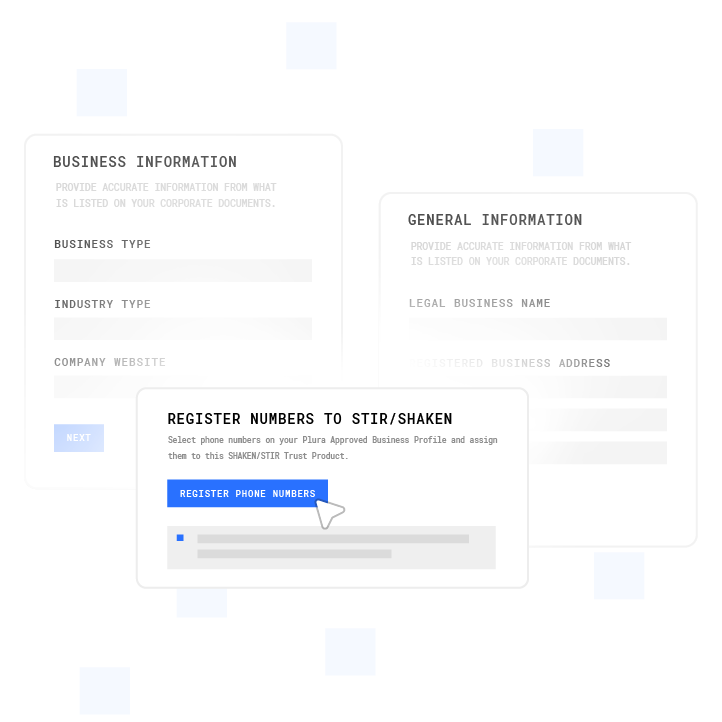
Plura’s platform enforces real-time DNC scrubbing, TCPA (Telephone Consumer Protection Act) litigator screening, automated quiet hours, and immutable consent logging inside the platform on every outbound contact. Those records sit inside the platform architecture. Consult qualified counsel regarding your specific record-retention obligations under applicable law.
Data retention is only one evaluation variable. The next section compares how major platforms structure their trials and what each one actually lets you test before you commit.
Sales Automation Free Trial Comparison: What Each Platform Lets You Test
The table below compares trial terms across major platforms. The final column matters most for high-volume operators because it shows whether the trial supports real outbound volume or functions as a limited demo. Every cell traces to that vendor’s own published trial page.
| Platform | Trial Length | Credit Card Required | What The Trial Lets You Test |
|---|---|---|---|
| Salesforce Sales Cloud | 30 days | No | Pre-loaded data, pre-configured reports and dashboards, guided onboarding. Usage capped at 2,000 combined leads/contacts and 10 emails per day on the Starter Trial Edition. |
| HubSpot Sales Hub | Free tier (no expiration date, capped at 2 users); paid-tier trials are commonly 14-day trials arranged through HubSpot’s sales team | No for free tier | Free CRM with contact management. Data export is available on all plans including free, but email conversation content and complete activity history are not included in the standard CSV export and require the Engagements API to export fully. |
| Microsoft Dynamics 365 Sales | 30 days (one 30-day extension available) | No for direct trial; card may be required on some paths | Full Sales app with sample data. One active trial per app at a time. Trial and demo environments are not permitted to hold production or customer data. |
| ActiveCampaign | 14 days | No | Email automation and CRM. Starter plan includes 1 user seat and limits automations to 5 actions per automation. SMS is not included in the trial; it is an add-on that requires a Plus, Professional, or Enterprise plan. |
| Keap | 14 days | No | CRM and automation. Trial caps email sends at 25, disables payment processing, and disables sending or receiving text messages. DKIM authentication setup required before any email send. |
| Apollo.io | Free tier (permanent); 14-day trial on paid plans | No for free tier | Contact database and sequencing. Free tier caps at 900 credits/year, 250 daily email sends, 2 sequences per team, and 25 records per selection. US dialer usage costs 2 credits per minute. |
| Plura AI | Contact sales for trial terms | Contact sales | Live outbound at volume across voice, AI SMS, RCS, and AI webchat in one environment. The Stateful Conversation Database carries context across every channel, so an agent that texted a lead at 9 a.m. picks up the call at noon already knowing what was said. Real-time DNC scrubbing, TCPA litigator screening, and immutable consent logging run on every outbound contact, and branded caller ID is issued at the carrier level via Plura’s FCC-licensed audio bridging carrier. |
The Volume-Operator Test: Can The Trial Handle Your Real Daily Rate
Three questions reveal whether a trial behaves like a real test or a controlled demo.
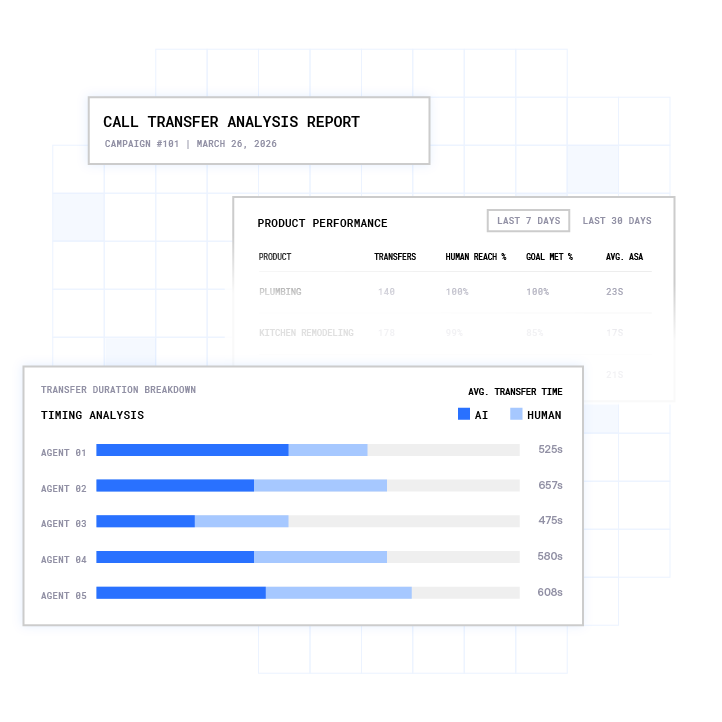
1. Can the trial handle live outbound at volume, or does it cap sends? A trial that caps daily dials or SMS sends below your real rate cannot validate connect rates, deliverability, or dialer behavior. Apollo.io’s free tier caps daily email sends at 250 and limits record selection to 25 at a time. If your operation runs thousands of contacts per day, that cap prevents a meaningful test.
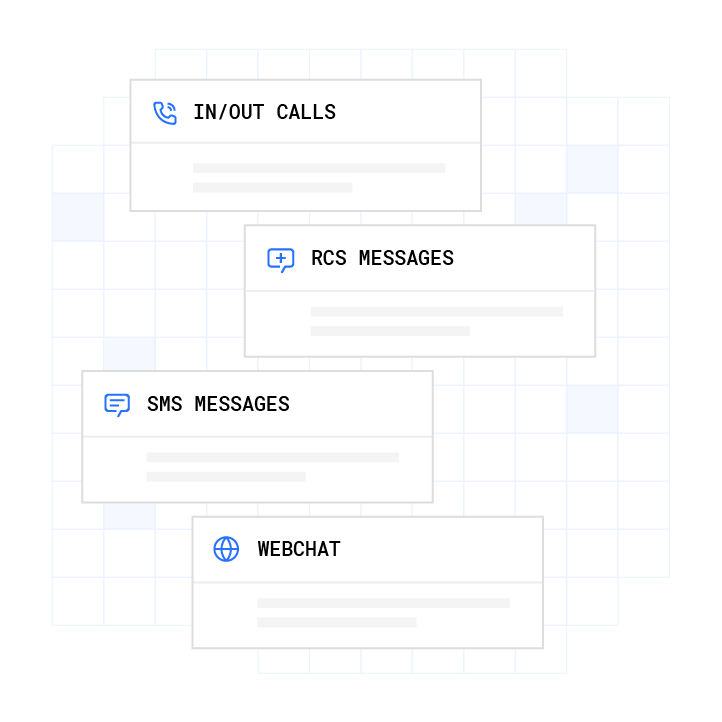
2. Does it support multichannel in one trial environment? You need voice, SMS, RCS, and webchat in the same environment to see how channels work together. Infobip’s 2026 Messaging Trends Report, analyzing 628 billion customer interactions, found that by 2025, 97.7% of messaging traffic originated from businesses using multiple channels simultaneously.3 A single-channel trial does not reflect how your customers actually engage.
3. Does conversation context persist across channels during the test? Send a test contact an SMS, then call them. If the AI voice agent does not know what was said in the text thread, the platform is stateless and your customers will repeat themselves on every touchpoint. That friction has a measurable cost. Research cited by Qiscus finds that businesses adopting omnichannel messaging retain 89% of customers, compared to 33% for companies managing channels in isolation.3
Plura’s Stateful Conversation Database and FCC-licensed carrier stack address all three questions. Plura is its own FCC-licensed audio bridging carrier. It issues branded caller ID at the carrier level and runs STIR/SHAKEN (Secure Telephone Identity Revisited/Signature-based Handling of Asserted information using toKENs) authentication on every outbound call. The AI Predictive Dialer, AI SMS, AI RCS, and AI webchat all share one stateful database, so an agent that texted a lead at 9 a.m. picks up the call at noon already knowing what was said.
Run a multichannel volume test against your real daily rate.
How to Evaluate a Sales Automation Trial in 14 Days
Growleads’ January 2026 analysis found that 80% of trial activity happens in the first 14 days, while median trial-to-paid conversion happens at day 40. Use those first 14 days to reach a procurement decision, not just a positive demo impression.
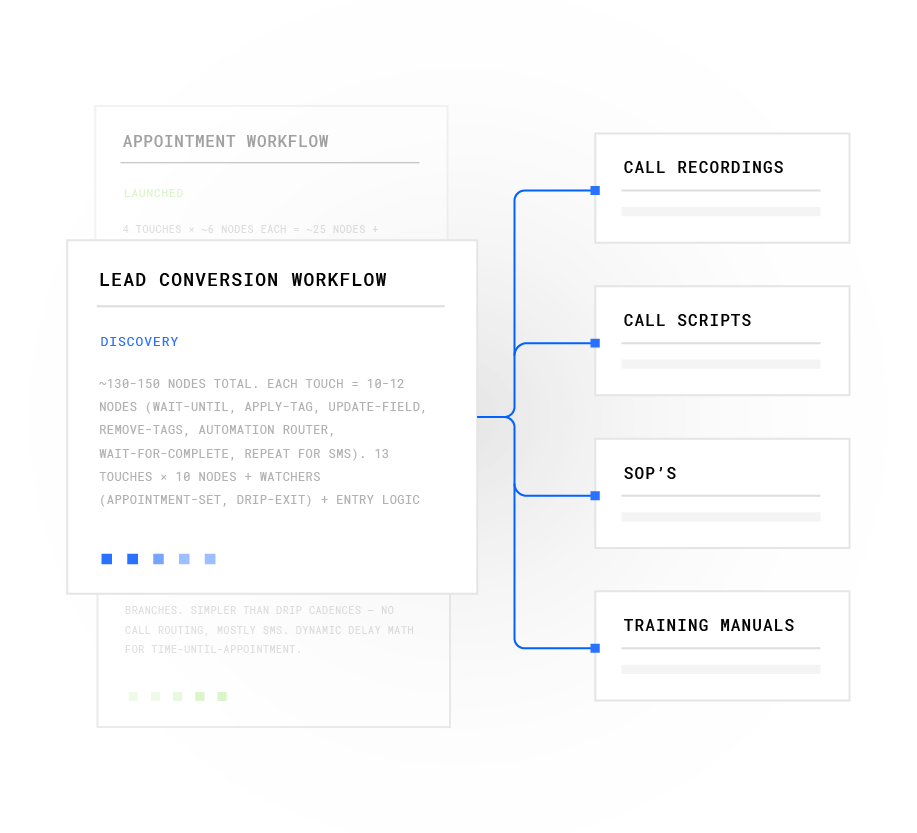
- Day 1: Setup and a small real list. Import 50 to 100 real contacts, not demo data. Verify consent capture and quiet-hours behavior before you dial anything.
- Days 2 to 3: Workflow build. Recreate one real sequence, including greeting, qualification gate, and transfer rule. Confirm it runs without engineering support using the platform’s no-code workflow builder.
- Days 4 to 6: Channel coverage. Run one SMS thread, one voice call, and one webchat session against the same contact. Check whether context carries across all three.
- Day 7: Volume test. Run live outbound at your real daily rate. Check connect rates, confirm branded caller ID, and check whether the AI passes iOS 26 call screening.
- Days 8 to 10: Integration check. Connect your CRM via the platform’s integrations. Confirm records sync both ways without manual export.
- Days 11 to 13: Reporting and export. Pull conversation transcripts, consent logs, and reporting exports. Confirm you can extract your data before the trial ends.
- Day 14: Compliance and decision. Confirm real-time DNC scrubbing, consent logging, and quiet-hours enforcement are active during the trial. Score the trial against your requirements and decide.
Compliance and Caller ID During the Trial: Checks Before Day 14
Operators in regulated verticals such as healthcare, insurance, financial services, and legal need compliance features active during the test, not only after purchase. Ask every vendor these questions before Day 14.
- Does the trial include real-time DNC scrubbing, or is it gated behind the paid tier?
- Does the trial include branded caller ID, or do test calls present as an unknown number?
- Are consent records timestamped, immutable, and exportable during the trial?
- Do quiet-hours rules enforce automatically by time zone during the test?
The regulatory framework governing outbound sales automation is specific, and the stakes are high.2 The National DNC Registry covers more than 249 million actively registered phone numbers as of fiscal year 2023. It is administered by the FTC under the Telemarketing Sales Rule (16 CFR Part 310). TCPA statutory damages run $500 per violation and up to $1,500 per willful or knowing violation, with no cap on the number of violations in a class action.2 Because these rules apply during a trial as well as in production, verify that your trial environment enforces DNC scrubbing and consent logging before you dial. TCPA violations can cost $500 to $1,500 per text or call. Consult qualified counsel regarding your specific obligations under TCPA, DNC, HIPAA, and applicable state law before running any outbound campaign, including during a trial period.2
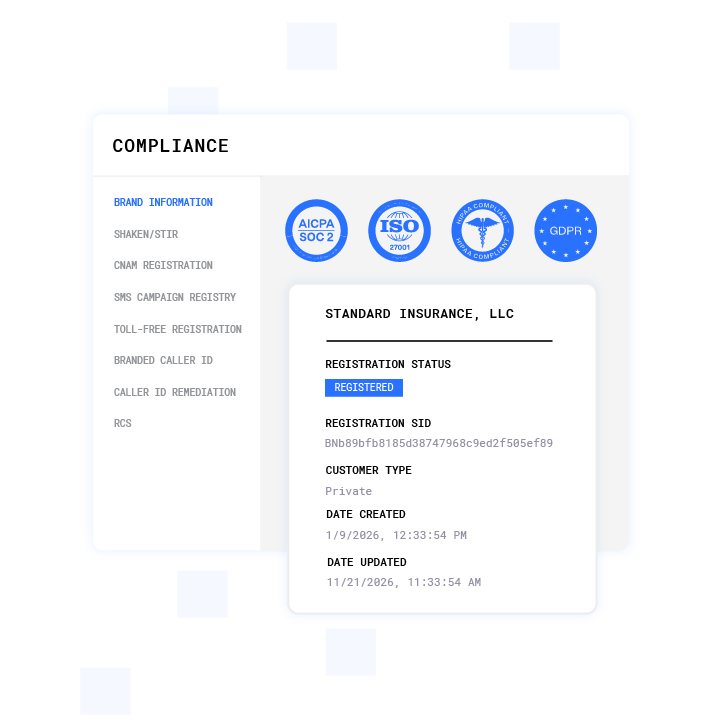
Plura supports compliance with TCPA, DNC, HIPAA, SOC 2, STIR/SHAKEN caller ID verification, and GDPR (General Data Protection Regulation).1 Every outbound contact on Plura’s platform is checked against federal and state DNC registries in real time before dial. Consent records are timestamped and immutable. Quiet-hours rules enforce automatically through time-zone detection. These features are part of the platform. Plura provides the infrastructure, and customers remain responsible for their own compliance posture.
After The Trial: What The Cost Reality Looks Like
The post-trial cost structure shapes ROI more than the trial itself. Per-seat versus usage-based pricing, annual versus monthly billing, and what the entry tier actually includes are covered in detail at plura.ai/pricing. The short version appears in Plura’s calculator. A 15-agent operation at $20 per hour costs $60,000 per month under a traditional model; replacing that team with Plura drops the monthly cost to $14,400, with 30-day savings of $45,600.3 Run your own numbers before the trial ends.
Frequently Asked Questions
Is a 7-Day Free Trial Actually Free?
A 7-day trial is free when it requires no credit card and does not auto-convert to a paid plan at expiry. The main limitation is time. Seven days rarely cover a volume test, compliance verification, integration checks, and data export before the window closes. Most operators need at least 14 days for a procurement-grade evaluation.
Is There a 100% Free CRM?
Permanent free tiers exist on several platforms, including Apollo.io and HubSpot. HubSpot offers a free CRM that is 100% free with no expiration date, while Apollo.io’s free plan is limited to credits and its CRM/deal record features are available only on paid tiers. These tiers are feature-capped and not designed for high-volume outbound. Daily send limits, record selection caps, and limited compliance features make them poor fits for operators running thousands of calls and texts per month.
Which CRM Offers a Free Trial?
Salesforce Sales Cloud, HubSpot Sales Hub, Microsoft Dynamics 365 Sales, ActiveCampaign, and Keap all publish free trials. Salesforce’s CRM free trial commonly ranges from 14 to 30 days, Microsoft Dynamics 365 Sales offers a 30-day trial, HubSpot offers 14-day trials on some products and a 30-day trial on its all-in-one marketing software, and both ActiveCampaign and Keap offer 14-day free trials. Terms on seat limits, feature gating, and data retention at expiry differ across vendors, so review each trial page before importing contacts.
What Happens to Your Data When a Sales Automation Trial Ends?
Outcomes depend on the vendor and the data type. Contacts imported during a trial are typically retained on paid conversion. Conversation history, call recordings, and workflow configurations are frequently incomplete or inaccessible in standard exports and may require API access to retrieve fully. Export required data before the trial expires, and maintain account access for a period after any migration.
Which Sales Automation Platforms Offer a Free Tier Versus a Trial?
HubSpot offers a free CRM that is 100% free with no expiration date, while Apollo.io’s free plan is limited to credits and its CRM/deal record features are available only on paid tiers. Salesforce, ActiveCampaign, Keap, and Microsoft Dynamics 365 Sales offer time-limited trials. Apollo.io also offers a 14-day trial on paid plans alongside its permanent free tier. A free tier does not expire but is more heavily feature-capped, while a trial expires but may offer broader feature access during the test window.
How Do I Evaluate a Sales Automation Trial in 14 Days?
Use a structured plan. Import real contacts on Day 1, build one real workflow on Days 2 to 3, test all channels against the same contact on Days 4 to 6, run a volume test on Day 7, complete integration checks on Days 8 to 10, pull all data exports on Days 11 to 13, and verify compliance features on Day 14. Score the trial against your requirements before the window closes.
Does a Sales Automation Free Trial Include Compliance Features?
Vendors handle this differently. Many platforms gate DNC scrubbing, consent logging, and branded caller ID behind paid tiers. Verify before importing a real list whether compliance features are active during the trial or reserved for paid plans. For regulated operators, a trial without live compliance features does not reflect production conditions.
Can a Free Trial Handle High-Volume Outbound?
Most free tiers and basic trials struggle with true high-volume outbound. As the comparison table shows, common caps include daily send limits, record selection limits, and disabled channels. If your operation runs thousands of contacts per day, these caps turn the trial into a demo rather than a procurement test. Look for a trial that supports live outbound at your real daily rate across all intended channels.
Conclusion: Treat the Trial Like a Procurement Decision
A sales automation free trial is a procurement decision that touches data migration, team time, and compliance exposure. Read the fine print, confirm data-retention terms before importing a list, test at your real volume, and verify that compliance features are active during the trial. Internal workflow review, stakeholder alignment, and clear requirements before the trial starts help you compress the 14-day window into a confident decision.
Compare plans and rates side by side.
Run your numbers through Plura’s ROI calculator.
Talk with Plura’s team to see a live environment.
1 Plura AI maintains SOC 2, HIPAA, ISO, and GDPR posture as part of its platform infrastructure. References to compliance frameworks in this article describe Plura’s platform capabilities and do not constitute a guarantee that any customer using Plura will themselves be compliant with applicable laws or standards. Customers remain solely responsible for their own regulatory obligations, certifications, consent management, recordkeeping, and the claims they make to their own end users. Consult qualified legal counsel for guidance specific to your use case.
2 This article describes regulatory frameworks at a general level and does not constitute legal advice. Laws and regulations vary by jurisdiction, change over time, and apply differently depending on facts and circumstances. Readers should consult qualified legal counsel before making compliance decisions.
3 Performance figures, customer outcomes, and industry statistics referenced in this article are drawn from cited third-party sources or Plura customer case studies. Individual results vary based on implementation, use case, industry, audience, and execution. Past or aggregate performance is not a guarantee of future results.
4 References to third-party products, services, companies, or research are made for informational and comparative purposes only. Plura AI is not affiliated with, endorsed by, or sponsored by any third party named in this article unless explicitly stated. Trademarks and product names referenced remain the property of their respective owners.
5 This article contains forward-looking statements regarding industry trends, technology adoption, and future capabilities. These statements reflect current expectations and are subject to change. Plura AI undertakes no obligation to update forward-looking statements except as required.
This article is provided for informational purposes only and reflects Plura AI’s understanding at the time of publication. Product capabilities, integrations, and specifications are subject to change. For the most current information, visit plura.ai.
This article was produced with the assistance of AI tools and reviewed by Plura AI prior to publication.