

Written by: Matt Beucler, CEO, Plura AI
Key Takeaways
- Automated lead scoring replaces slow, inconsistent manual qualification with real-time AI analysis of fit and behavioral signals, cutting response times from 47+ hours to under 5 seconds.3
- Operators see cost per qualified lead drop from $85-$200 to $25-$60, while pipeline grows 47% and average ROI reaches 3x within 90 days.3
- Plura AI delivers sub-5-second multichannel outreach across voice, SMS, RCS, and webchat on 100% U.S. infrastructure, so high-intent leads are contacted before attention fades.
- Automated scoring improves sales efficiency by routing only prioritized leads to human agents, freeing 20-30% of team capacity for revenue-generating activity instead of manual sorting.
- Teams can see these results firsthand by starting a conversation with Plura AI to evaluate how automated lead scoring changes their pipeline.
The Cost of Manual Lead Qualification at Scale
High-volume operators running 500 or more daily interactions face a structural problem: manual qualification cannot keep pace with inbound volume. Sales teams spend hours sorting leads by hand, applying inconsistent criteria, and contacting prospects long after intent has cooled. The industry standard for first contact on an inbound lead sits at 47+ hours. Research published on Plura’s ROI calculator found that contacting a lead within 5 minutes makes them up to 100× more likely to connect, and a 60-second response lifts conversions by 391%.
Manual processes inflate CAC (customer acquisition cost) to $85-$200 per qualified lead. This cost escalates further because different SDRs (sales development representatives) apply different criteria, which produces inconsistent scoring and forces managers to re-review leads the team already touched. The inconsistency creates a throughput ceiling, since scaling volume requires proportional headcount increases, and margins compress exactly when growth should be accelerating profitability.
How Automated Lead Scoring Works in High-Volume Environments
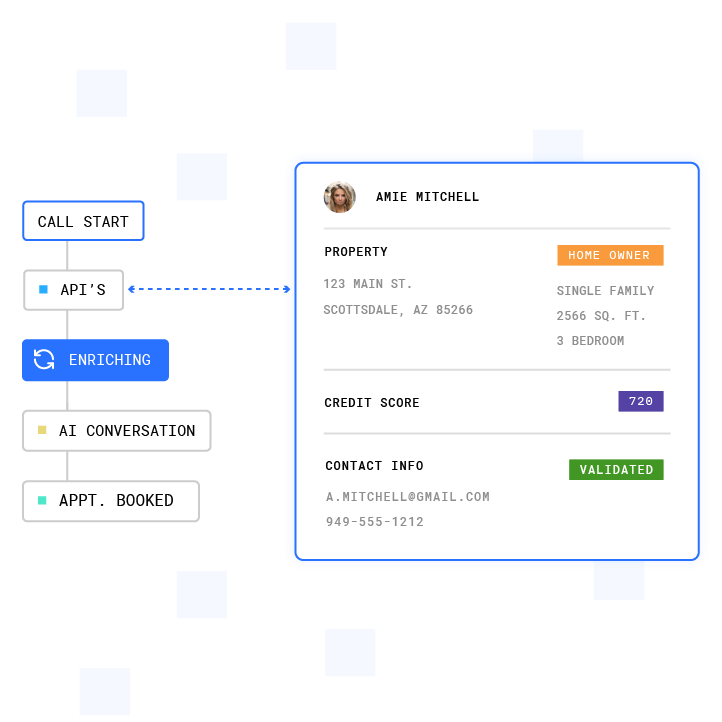
Automated lead scoring assigns a numeric or tiered priority to each incoming lead based on real-time data signals, without human intervention in the scoring step. A manual process depends on an SDR reviewing a form submission and making a judgment call. An automated system ingests behavioral signals, firmographic data, and conversation context simultaneously, then scores and routes the lead in seconds.
Plura’s AI Lead Intelligence scores and prioritizes leads in real time using behavioral signals, conversation context, and predictive intent modeling, pulling from 30+ enrichment sources during the live interaction. Manual scoring relies on static spreadsheet updates that reflect yesterday’s data. Automated scoring reflects what the lead is doing right now. These real-time capabilities translate into specific, measurable operational improvements.
Seven Measurable Benefits of Automated Lead Scoring
1. Faster Response Time
Organizations deploying AI for speed to lead see response times drop from hours to seconds and connection rates increase by 3x to 5x. Plura contacts leads in under 5 seconds across voice, SMS, RCS, and webchat, compared to the industry baseline mentioned earlier. That gap is where paid-media budget disappears.
2. Lower Customer Acquisition Cost
Plura AI enables cost per qualified lead of $25 to $60, compared to $85-$200 under traditional manual qualification. This reduction comes from eliminating SDR time spent on unqualified prospects and routing only scored, prioritized leads to human closers.
3. Pipeline Growth
Plura customers report 47% average pipeline growth within 90 days.3
4. Sales Efficiency
Manual qualification consumes SDR capacity that should go to closing. Automated scoring routes only qualified handoffs to human agents, reallocating 20-30% of team capacity from lead sorting to revenue-generating activity. Sales teams move from spending 60% of their time trying to contact leads to spending 90% of their time closing them.
5. Data Accuracy
Manual scoring degrades over time as spreadsheets go stale and SDR criteria drift. Automated scoring ingests live data on every contact, including IP signals, email validation, firmographic data, and behavioral intent. The system produces a score that reflects current reality rather than last week’s form submission.
6. Cross-Department Alignment
Centralized scoring criteria keep marketing and sales aligned on what qualifies as a sales-ready lead. When the system encodes the rules instead of individual SDR judgment, both teams work from the same definition of quality. Plura delivers full conversation transcripts and intent signals for ROI proof, not just dashboard summaries, so marketing can show pipeline contribution clearly to leadership.
7. Predictive Adaptation
Static scoring models assign fixed weights to fixed fields. AI-driven scoring updates signal weights based on observed conversion outcomes, so the model improves with every interaction. Plura’s Stateful Conversation Database retains context across voice, SMS, RCS, and webchat. The scoring layer learns from every touchpoint, not just the first one.
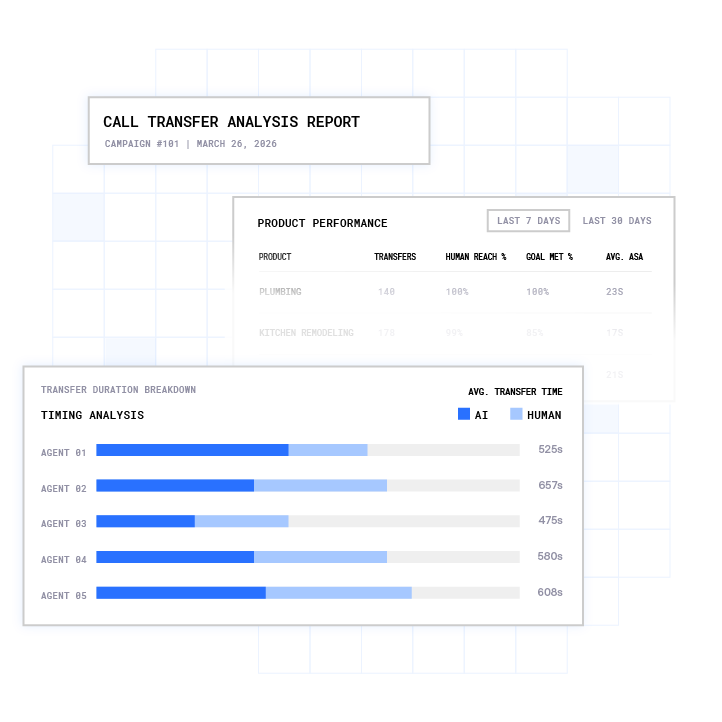
Automated vs. Manual Lead Scoring Comparison
| Dimension | Manual Scoring | Automated Scoring with Plura | Source |
|---|---|---|---|
| Time to first contact | 47+ hours (industry baseline) | Under 5 seconds | plura.ai/glossary/speed-to-lead |
| Cost per qualified lead | $85-$200 | $25-$60 | plura.ai/guides/ai-marketing-automation |
| Conversion rate lift (60-second response) | Baseline | +391% | plura.ai/glossary/speed-to-lead |
| Pipeline growth (90-day) | Baseline | +47% average | plura.ai/guides/ai-marketing-automation |
Live Scoring Inputs That Drive Conversion
These performance differences stem from how automated systems process multiple signal types at the same time. The following table breaks down the specific inputs that drive real-time scoring decisions.
| Signal Type | Example Inputs | Scoring Action | Conversion Outcome |
|---|---|---|---|
| Behavioral intent | Page visits, form completion, time on site | Elevates priority tier | Faster outreach queue assignment |
| Firmographic fit | Business size, industry, geography | Matches against ICP (ideal customer profile) criteria | Routes to vertical-specific agent workflow |
| Contact validation | Email validity, phone reassignment check | Filters uncontactable leads | Reduces wasted outreach attempts |
| Conversation context | Prior channel interactions, objections raised | Updates score in stateful database | Personalized follow-up on next touch |
90-Day ROI Scenario with Automated Scoring and Sub-60-Second Outreach
A representative 15-agent operation paying $20 per hour with standard taxes, benefits, and commissions at 40% talk utilization costs $60,000 per month. Replacing that team with Plura at $15 per hour, 100% talk utilization, and 6 Plura agents doing the work of 15 humans drops the monthly cost to $14,400, producing $45,600 in savings in the first 30 days and $547,200 over 12 months.
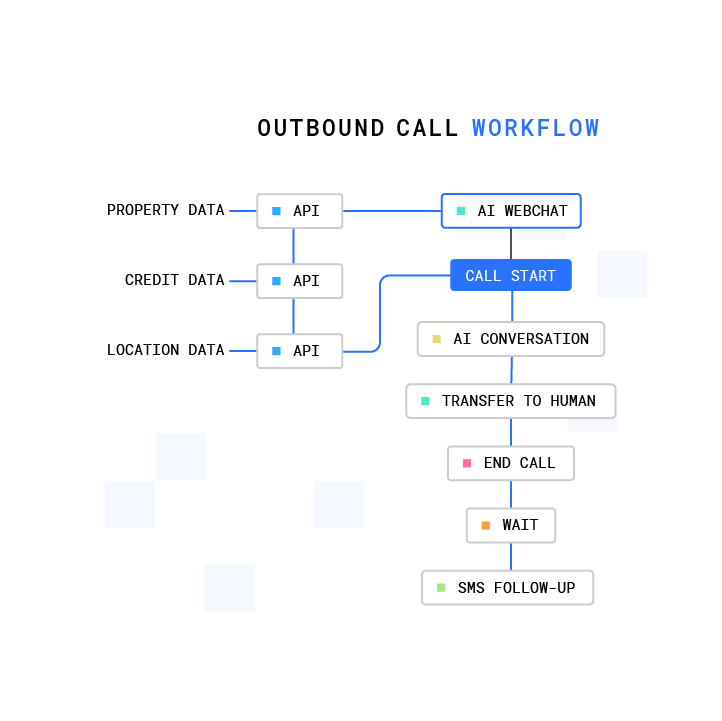
Automated scoring amplifies those savings by ensuring every outreach attempt targets a prioritized lead. Plura’s Stateful Conversation Database means an agent that scored and texted a lead at 9 a.m. picks up the voice call at noon already knowing what was said, what was offered, and what objections were raised. That cross-channel memory removes the need to re-qualify on every subsequent touch.
The combined effect delivers 3x average ROI in 90 days, 47% pipeline growth, and 90% faster lead-response time compared to baseline manual operations.3 Plura enables 7 to 12 follow-up touches across voice, SMS, RCS, and webchat, all coordinated through a single scoring and memory layer.
Run your numbers through Plura’s calculator to check your ROI in real time.
Regulatory and Data-Privacy Considerations for Automated Scoring
Automated lead scoring systems that operate across voice, SMS, RCS, and webchat in the United States interact with several overlapping regulatory frameworks. Operators in healthcare, insurance, financial services, and legal verticals should consult qualified counsel on their specific obligations under TCPA (Telephone Consumer Protection Act, 47 U.S.C. § 227), HIPAA (Health Insurance Portability and Accountability Act, 45 CFR Parts 160 and 164), DNC (Do Not Call) registry requirements, and more than 50 state-level rule sets that address calling windows, consent, and data handling.1,2
Plura supports compliance with these frameworks through platform-level infrastructure. Every outbound contact is checked against federal and state DNC registries in real time before dial. Consent records are timestamped and immutable. Quiet-hours rules enforce automatically through time-zone detection. HIPAA-aligned encryption, access controls, and audit logging cover protected health information across all four channels.1 SOC 2 and ISO certification cover the underlying infrastructure. STIR/SHAKEN (Secure Telephone Identity Revisited/Signature-based Handling of Asserted information using toKENs) caller-ID authentication runs on every outbound voice call. Plura provides this infrastructure, and customers remain responsible for their own regulatory obligations and certifications.
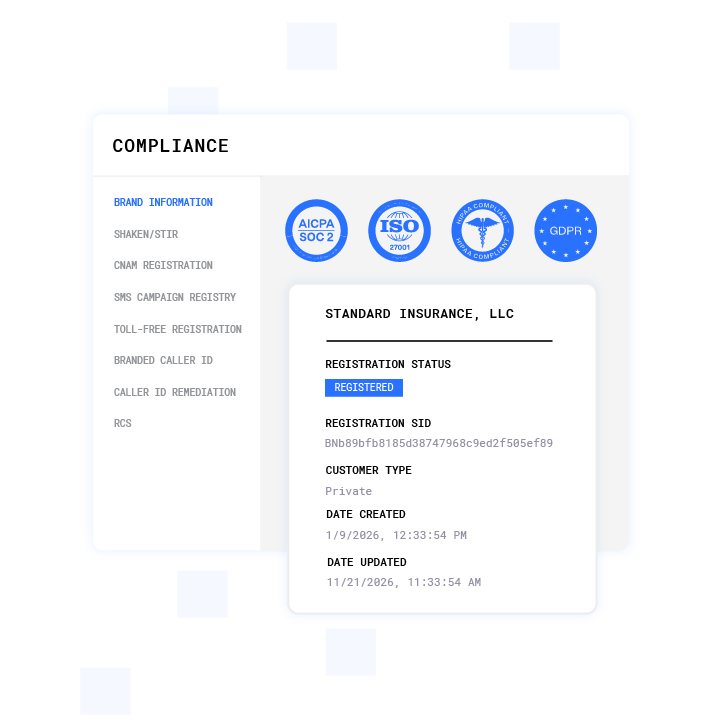
Static scoring tools built on third-party CPaaS (Communications Platform as a Service) layers typically cannot enforce DNC scrubbing at the carrier level, issue branded caller ID, or maintain immutable consent records across channels. Plura operates as its own FCC-licensed audio bridging carrier, so these controls function at origination rather than as bolt-on additions.
Frequently Asked Questions
What is automated lead scoring and how does it work in practice?
Automated lead scoring is a process where software assigns a priority score to each incoming lead based on real-time data signals, without requiring a human to review and rank each record manually. In practice, the system ingests signals from multiple sources simultaneously, including behavioral data such as page visits and form completion, firmographic data such as company size and industry, contact validation data such as email and phone verification, and conversation context from prior interactions. Each signal is weighted against a scoring model, and the resulting score determines how quickly and through which channel the lead receives outreach. Plura’s AI Lead Intelligence performs this enrichment during the live conversation across voice, SMS, RCS, and webchat, so the score reflects current intent rather than a static snapshot from the original form submission.
How much can automated lead scoring reduce cost per acquisition?
The cost reduction described earlier stems from three compounding factors. First, automated scoring removes manual sorting labor. Second, faster response times capture high-intent leads before they convert elsewhere. Third, adaptive scoring models improve with each interaction as the Stateful Conversation Database accumulates context across every touchpoint. These factors combine to reduce cost per qualified lead by roughly 60-75% compared to manual processes.
What compliance considerations apply to automated lead scoring systems?
Automated lead scoring systems that trigger outreach across voice, SMS, and RCS in the United States interact with TCPA, DNC registry requirements, HIPAA for healthcare-related data, and a growing set of state-level rules that address consent, calling windows, and data handling.2 Operators should consult qualified legal counsel on their specific obligations. At the platform level, Plura supports compliance through real-time DNC scrubbing before every outbound contact, immutable timestamped consent records, automatic quiet-hours enforcement through time-zone detection, HIPAA-aligned encryption and audit logging, SOC 2 and ISO certification, and STIR/SHAKEN caller-ID authentication on every voice call. Customers are responsible for their own regulatory obligations, and Plura provides the infrastructure that supports those obligations.
Conclusion and Next Steps for High-Volume Teams
Manual lead qualification produces a predictable set of outcomes: slow response times, inconsistent scoring, inflated CAC, and a ceiling on throughput that grows with headcount rather than with revenue. Automated lead scoring addresses each of those failure points directly. Real-time fit and behavioral analysis replaces spreadsheet-based judgment calls. Sub-5-second outreach replaces the 47-hour response window mentioned earlier. CAC drops from $85-$200 to $25-$60. A stateful cross-channel memory layer ensures every follow-up touch builds on what came before rather than starting from scratch.
Plura AI delivers this as a single platform that combines FCC-licensed carrier infrastructure, AI Lead Intelligence scoring across 30+ data sources, and coordinated outreach across voice, SMS, RCS, and webchat on 100% U.S. infrastructure. The 90-day ROI scenario reflects math operators can verify before they commit by using the same assumptions in their own environment.
Run your numbers through Plura’s calculator to check your ROI in real time.
1 Plura AI maintains SOC 2, HIPAA, ISO, and GDPR posture as part of its platform infrastructure. References to compliance frameworks in this article describe Plura’s platform capabilities and do not constitute a guarantee that any customer using Plura will themselves be compliant with applicable laws or standards. Customers remain solely responsible for their own regulatory obligations, certifications, consent management, recordkeeping, and the claims they make to their own end users. Consult qualified legal counsel for guidance specific to your use case.
2 This article describes regulatory frameworks at a general level and does not constitute legal advice. Laws and regulations vary by jurisdiction, change over time, and apply differently depending on facts and circumstances. Readers should consult qualified legal counsel before making compliance decisions.
3 Performance figures, customer outcomes, and industry statistics referenced in this article are drawn from cited third-party sources or Plura customer case studies. Individual results vary based on implementation, use case, industry, audience, and execution. Past or aggregate performance is not a guarantee of future results.
This article is provided for informational purposes only and reflects Plura AI’s understanding at the time of publication. Product capabilities, integrations, and specifications are subject to change. For the most current information, visit plura.ai.
This article was produced with the assistance of AI tools and reviewed by Plura AI prior to publication.