

Written by: Matt Beucler, CEO, Plura AI | Last updated: August 26, 2026
Key Takeaways
- AI healthcare appointment scheduling uses voice and SMS agents to provide 24/7 patient booking, rescheduling, and cancellation while syncing directly with EHR systems.
- Voice-first agents outperform chat-only tools by owning their FCC-licensed carrier stack, enforcing real-time DNC and TCPA compliance, and issuing branded caller ID at the network level.
- Stateful cross-channel memory ensures patients never repeat information when switching between voice, SMS, RCS, and webchat interactions.
- Multi-touch automated reminders and waitlist automation can reduce no-show rates by up to 40% and recover 40-60% of revenue from cancellations without staff intervention.
- Plura AI delivers enterprise-grade voice agents with direct EHR integrations, 100% U.S. infrastructure, and full compliance support, so you can see how these capabilities work together in a live walkthrough.
How AI Scheduling Handles Real Patient Workflows
AI voice agents handle both inbound and outbound scheduling flows without a human on the line. A patient calls after hours, the agent answers on the first ring, confirms identity, checks provider availability against the live EHR, and writes the confirmed appointment back to the system before the call ends. The same agent sends a confirmation via SMS and queues a reminder sequence automatically.
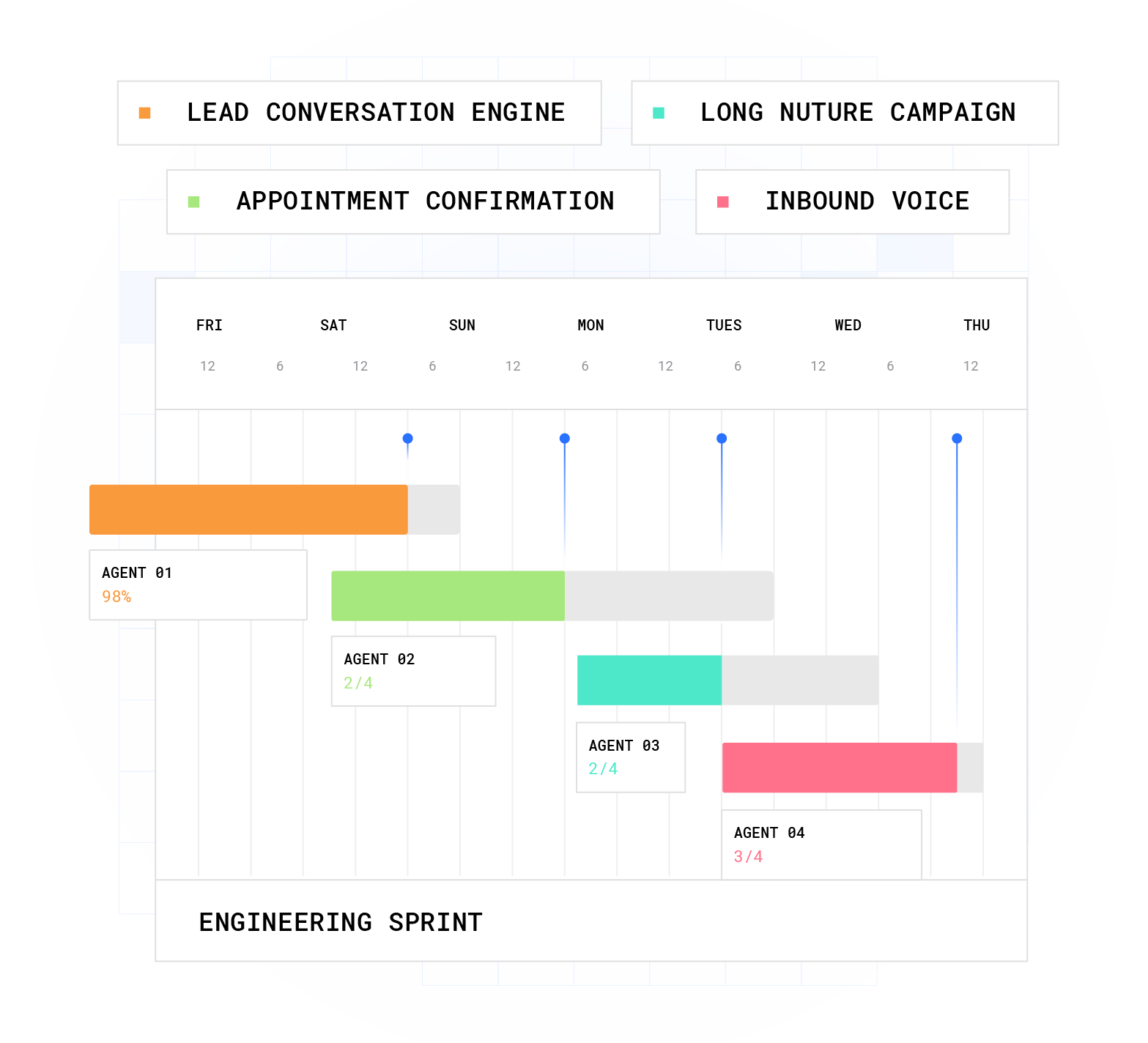
Outbound flows follow the same pattern. When a slot opens due to a cancellation, the agent contacts waitlisted patients by voice or SMS, offers the slot, and books it in real time. Organizations deploying AI for speed-to-lead see connection rates increase by 3x to 5x compared to manual follow-up queues.3
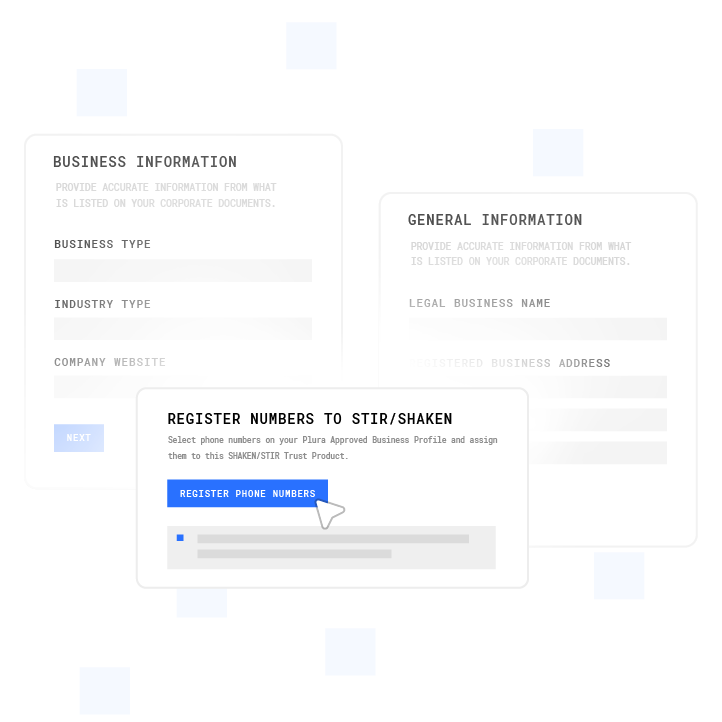
The distinction between voice-first agents and chat-only wrappers matters operationally, and it affects these results. Chat-only tools handle text interactions but cannot initiate or receive phone calls, cannot authenticate caller identity through voice, and typically route through third-party CPaaS carriers that do not issue branded caller ID at the carrier level. Plura is its own FCC-licensed audio bridging carrier, so every call originates on Plura’s domestic infrastructure, with SHAKEN/STIR caller ID verification on every outbound dial and real-time DNC scrubbing before the call leaves the network.
Stateful cross-channel memory is the operational differentiator most scheduling tools lack. A patient who texts to reschedule at 9 a.m. and then calls at noon does not repeat themselves. Plura’s Stateful Conversation Database keys every interaction to the patient’s phone number or identifier, so the voice agent picks up the call already knowing what was said in the SMS thread.
See how voice-first AI agents handle inbound and outbound scheduling flows end to end in a live Plura demo. View the demo experience.
Operational Gaps in Traditional Appointment Schedulers
Manual and chat-only scheduling tools create four compounding problems for clinic operations directors and hospital admins.
Long hold times and after-hours gaps. Front-desk staff handle calls during business hours only. Patients who call evenings or weekends reach voicemail and frequently book elsewhere. Mordor Intelligence identifies 24/7 conversational self-scheduling demand as a key driver adding +3.2% to the projected CAGR for AI medical scheduling software4, which reflects how broadly patients now expect round-the-clock access.
High no-show rates. No-shows cost the U.S. healthcare system $150 billion annually3, with the average missed appointment costing a practice around $200 in lost revenue. Forgetfulness accounts for 38% of no-shows, and multi-touch automated reminders directly address that gap.
Compliance exposure from third-party carrier dependency. Tools built on top of third-party CPaaS carriers cannot enforce real-time DNC scrubbing or TCPA compliance at the carrier level. They bolt compliance on after the fact, which creates an enforcement gap between the platform and the network. Plura’s compliance engine runs before each outbound contact and applies DNC scrubbing against federal and state registries, TCPA consent verification, and automated quiet-hours enforcement through time-zone detection. This pre-contact enforcement is part of Plura’s broader compliance infrastructure, which supports customer compliance with SOC 2, HIPAA, ISO certification, GDPR, SHAKEN/STIR caller ID verification, TCPA compliance, and DNC compliance.1 While Plura provides this infrastructure, customers remain responsible for their own regulatory obligations and should consult qualified counsel on their specific requirements.
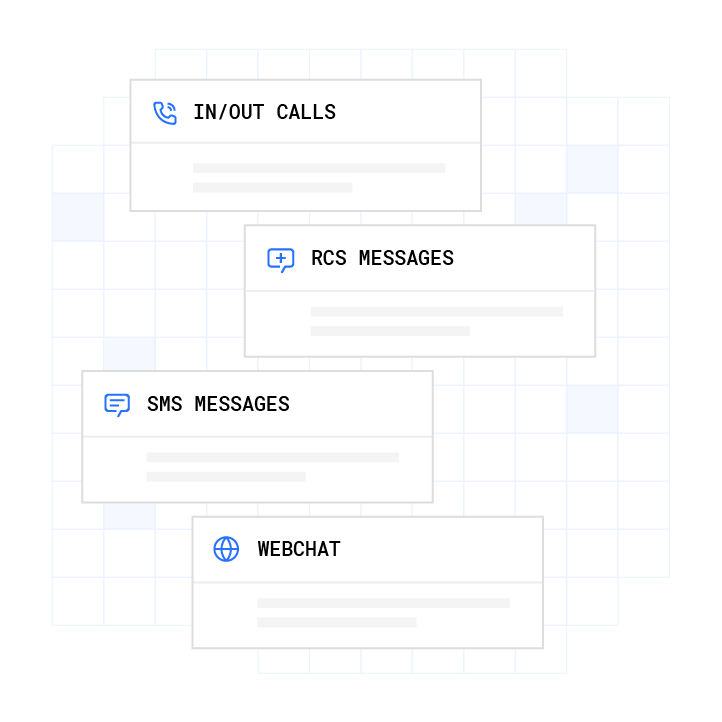
No stateful memory across channels. When a patient texts to cancel and then calls to rebook, most scheduling tools treat those as two separate interactions. Staff re-collect information already captured, and the patient experience degrades. Plura’s architecture addresses this by maintaining a single conversation record across voice, SMS, RCS, and webchat.
Building Online Appointment Scheduling That Actually Connects
Enterprise-grade AI scheduling integrates at three layers: the EHR or practice management system, the calendar layer, and the communication channel.
At the EHR layer, the agent reads provider availability, scheduling templates, visit type configurations, patient appointment history, and insurance network status. It then writes confirmed bookings, modifications, cancellations, and waitlist entries back in real time. Bidirectional real-time data sync with 90+ EHR and practice management systems allows schedule updates to flow both ways without manual re-entry. Common integration targets include Epic, athenahealth, eClinicalWorks, Oracle Health (Cerner), MEDITECH, NextGen, and AdvancedMD.4
At the calendar layer, the agent syncs with Google Calendar, Microsoft 365, Cal.com, and Calendly to reflect provider availability across systems without double-booking. Plura’s integrations directory covers more than 50 tools across CRMs, calendars, data enrichment providers, and document platforms.
At the communication layer, voice-first agents differ from chat-only wrappers in three concrete ways. First, carrier ownership: Plura originates calls on its own FCC-licensed infrastructure, not a rented CPaaS layer, which means branded caller ID is issued at the carrier level rather than bolted on. Second, field-level redaction: protected health information is redacted at the field level and routed through HIPAA-aligned channels, with audit logging on every interaction. Third, 100% U.S. infrastructure: voice origination, model hosting, data storage, and call recording all sit on domestic infrastructure, which matters for healthcare organizations evaluating exposure under state medical-information offshoring restrictions.
Middleware-based integrations introduce latency, additional failure points, and data accuracy issues, so direct EHR connectors or native API integrations are typically the more reliable pattern for high-volume scheduling environments.
Reducing No-Shows with Layered AI Scheduling
Plura’s healthcare deployments achieve up to 40% improvement in no-show rates3 through a multi-touch reminder architecture that operates across voice and SMS without staff involvement.
This multi-touch approach works in layers, with each layer addressing a different stage of the patient journey. Multi-touch automated reminders can reduce no-shows substantially, and layered follow-ups with automated options provide additional benefits. When patients do not respond to SMS reminders, Plura’s AI voice agents handle the phone-call layer for non-responders automatically, without a staff member dialing.
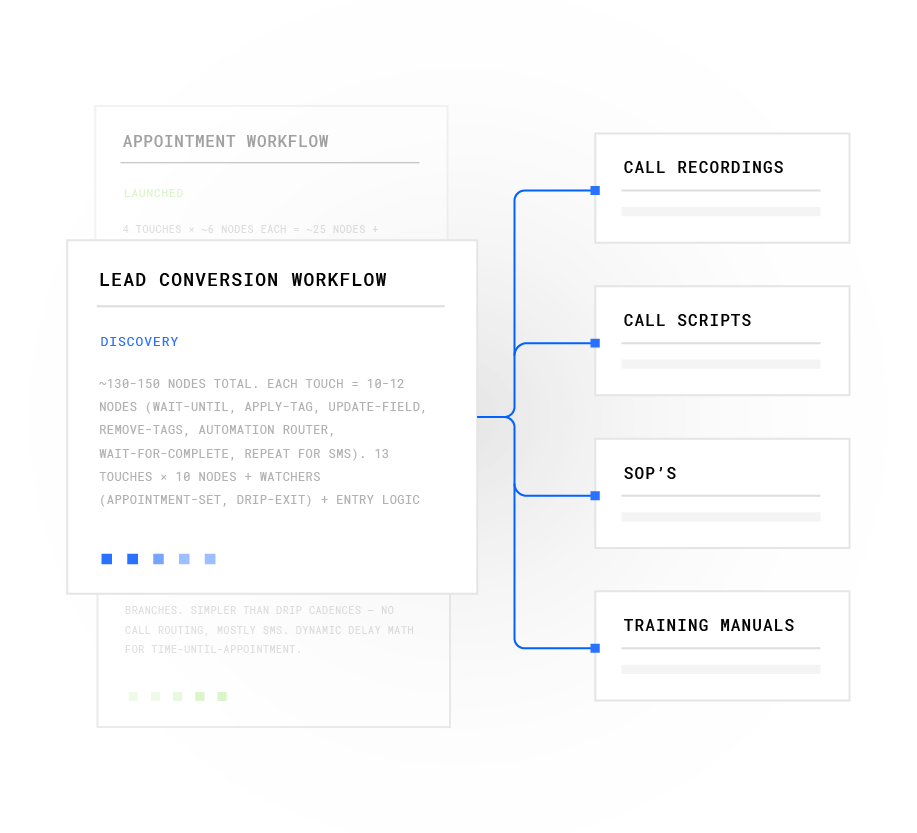
In-call rescheduling converts cancellations into kept appointments. When patients cancel during an AI reminder call, in-call rebooking can convert a significant portion of cancellations into reschedules compared to directing patients to call the front desk later.
Waitlist automation fills the slots that do cancel. Waitlist automation recovers 40% to 60% of the revenue from cancellations by filling empty slots3. The agent identifies the cancellation, queries the waitlist, contacts the next eligible patient by voice or SMS, and books the replacement slot, all without staff intervention.
A Penn Medicine randomized trial found that adding an automated interactive voice response call to existing SMS reminders can lower no-show rates among high-risk patients.
Every reminder and rescheduling interaction in Plura’s platform runs within the same compliance stack, including TCPA compliance, DNC compliance, SHAKEN/STIR caller ID verification, and HIPAA-aligned data handling.2 As with all compliance infrastructure, customers must verify their specific regulatory posture with qualified counsel.
AI Healthcare Appointment Scheduling Cost
The cost comparison between human-staffed scheduling and AI agent scheduling is straightforward at the unit-economics level.
| Cost Factor | Human-Staffed Scheduling | Plura AI Agent Scheduling |
|---|---|---|
| Monthly agent cost (15-agent baseline) | $60,000/month (15 agents x $20/hr x taxes/benefits x 40% talk utilization) | $14,400/month (6 Plura agents at $15/hr, 100% talk utilization) |
| 30-day savings | Baseline | $45,600 |
| 12-month savings | Baseline | $547,200 |
| After-hours coverage | Voicemail or overtime cost | 24/7, no additional cost |
| Compliance enforcement | Manual process, variable | Real-time DNC scrubbing, TCPA compliance, SHAKEN/STIR on every contact |
| EHR write-back | Manual entry after call | Real-time via direct integrations |
| Break-even timeline | N/A | often within a few months for small and mid-size clinics |
The AI in medical scheduling software market is projected to grow from $263.45 million in 2026 to $902.39 million by 2031 at a 27.92% CAGR3, which reflects how broadly healthcare organizations are moving toward automated scheduling economics. Healthcare organizations using AI automation for patient scheduling typically begin seeing measurable returns within 30 to 60 days through reduced no-shows and improved scheduling efficiency.
Plura’s plans and rates are structured for high-volume healthcare operators. Annual contracts include a 90-day opt-out window if the deployment is not delivering.
Run your numbers through Plura’s calculator to check your ROI in real time. Use the ROI calculator here.
Frequently Asked Questions
Can AI really handle healthcare appointment scheduling without human staff?
AI voice agents handle the full scheduling workflow end to end, including answering inbound calls on the first ring, verifying patient identity, checking live provider availability from the EHR, confirming the booking, writing it back to the system, and triggering a reminder sequence. Outbound flows such as cancellation backfill, waitlist outreach, and no-show follow-up run the same way. Human staff receive warm transfers with full conversation context when a workflow gate triggers, such as a clinical question, a failed identity check, or a patient request for a human agent. The AI handles volume, and staff handle judgment calls.
What compliance standards apply to AI scheduling in healthcare, and how does Plura support them?
Healthcare scheduling deployments touch several regulatory frameworks. HIPAA (Health Insurance Portability and Accountability Act, 45 CFR Parts 160, 162, and 164) describes how protected health information is handled across voice, SMS, and data storage. TCPA describes rules for outbound automated calls and messages to patients. DNC compliance considerations apply to outbound reminder and reactivation campaigns. State laws in California, Utah, Texas, and others introduce additional AI disclosure obligations for patient communications.2 Plura’s platform supports compliance with SOC 2, HIPAA, ISO certification, GDPR, SHAKEN/STIR caller ID verification, TCPA compliance, and DNC compliance.1 Plura provides the infrastructure, and customers remain responsible for their own regulatory obligations, Business Associate Agreements with all vendors in their data chain, and any state-specific requirements. Consult qualified counsel on your organization’s specific posture.
How does AI scheduling integrate with our existing EHR?
Integration patterns vary by EHR. Direct API connections to systems like Epic, athenahealth, eClinicalWorks, Oracle Health (Cerner), MEDITECH, and NextGen allow the AI agent to read provider availability and scheduling templates in real time and write confirmed bookings, modifications, and cancellations back to the EHR during the interaction. Plura’s integrations directory covers more than 50 tools across CRMs, calendars, data enrichment providers, and practice management platforms. For legacy EHR installations with limited API access, a systems access audit before deployment confirms read and write capabilities. Middleware-based integrations remain an option but introduce additional failure points compared to direct connectors.
How quickly can a healthcare organization expect to see ROI from AI scheduling?
Many small and mid-size clinics can reach break-even within a few months, driven by no-show reduction and front-desk efficiency gains. The fastest measurable return comes from automated appointment reminders, which are typically visible within 30 days of deployment. Full ROI across all categories, including after-hours revenue capture and waitlist automation, generally materializes within 6 months. Higher-volume or enterprise deployments may require 12 to 18 months to realize full financial benefits as utilization scales. Plura’s 90-day opt-out window in every annual contract keeps the delivery commitment explicit.
What happens when a patient asks something the AI cannot handle?
Plura’s workflows include explicit escalation guardrails. When a patient’s response falls outside the workflow’s defined paths, such as a clinical question, a symptom report, a request for diagnosis or medication guidance, or a mental health crisis signal, the AI warm-transfers the call to a U.S. agent with the full conversation history already on screen. The receiving agent does not ask the patient to repeat themselves. Sensitive data including protected health information and payment information is redacted at the field level and routed through HIPAA-aligned channels. The AI does not improvise on outcomes that carry clinical or compliance risk.
Conclusion: Choosing Voice-First AI for Healthcare Scheduling
The decision framework between voice-first AI agents and chat-only scheduling tools comes down to four operational variables: carrier ownership, stateful cross-channel memory, compliance enforcement depth, and EHR integration reliability.
Chat-only wrappers handle text interactions but cannot initiate or receive phone calls, cannot issue branded caller ID at the carrier level, and typically enforce compliance as a bolt-on rather than a first-class platform layer. Voice-first agents built on owned carrier infrastructure handle the full patient communication lifecycle, from after-hours inbound booking through multi-touch reminder sequences and in-call rescheduling, while maintaining a single conversation record across every channel.
This architecture delivers the 40% no-show improvement mentioned earlier, with 24/7 call answering, direct EHR write-back, real-time DNC and TCPA scrubbing, and a compliance stack covering SOC 2, HIPAA, ISO certification, GDPR, SHAKEN/STIR caller ID verification, TCPA compliance, and DNC compliance, all running on 100% U.S. infrastructure.1
For operations leaders evaluating the cost side of this decision, run your numbers through Plura’s calculator to check your ROI in real time. Open the ROI calculator.
For leaders evaluating platform capabilities and contract structure, compare plans and rates side by side at Plura pricing. View plans and rates.
Walk through a complete healthcare scheduling deployment, from EHR integration through compliance configuration to reminder workflow design, with a Plura specialist. Schedule a live walkthrough.
1 Plura AI maintains SOC 2, HIPAA, ISO, and GDPR posture as part of its platform infrastructure. References to compliance frameworks in this article describe Plura’s platform capabilities and do not constitute a guarantee that any customer using Plura will themselves be compliant with applicable laws or standards. Customers remain solely responsible for their own regulatory obligations, certifications, consent management, recordkeeping, and the claims they make to their own end users. Consult qualified legal counsel for guidance specific to your use case.
2 This article describes regulatory frameworks at a general level and does not constitute legal advice. Laws and regulations vary by jurisdiction, change over time, and apply differently depending on facts and circumstances. Readers should consult qualified legal counsel before making compliance decisions.
3 Performance figures, customer outcomes, and industry statistics referenced in this article are drawn from cited third-party sources or Plura customer case studies. Individual results vary based on implementation, use case, industry, audience, and execution. Past or aggregate performance is not a guarantee of future results.
4 References to third-party products, services, companies, or research are made for informational and comparative purposes only. Plura AI is not affiliated with, endorsed by, or sponsored by any third party named in this article unless explicitly stated. Trademarks and product names referenced remain the property of their respective owners.
5 This article contains forward-looking statements regarding industry trends, technology adoption, and future capabilities. These statements reflect current expectations and are subject to change. Plura AI undertakes no obligation to update forward-looking statements except as required.
This article is provided for informational purposes only and reflects Plura AI’s understanding at the time of publication. Product capabilities, integrations, and specifications are subject to change. For the most current information, visit plura.ai.
This article was produced with the assistance of AI tools and reviewed by Plura AI prior to publication.