

Written by: Matt Beucler, CEO, Plura AI
Key Takeaways for Paid Ad Conversion Performance
-
Paid ad conversion performance depends on clean tracking, tight message match, value-based bidding, and disciplined testing that connects clicks to revenue.
-
Message-match audits, mobile friction removal, and ad-fatigue monitoring each lower bounce rates and protect ROAS.
-
Speed-to-lead under 5 seconds with multi-channel follow-up sharply increases the odds that a paid click becomes a closed deal.
-
ROAS analysis must include conversation outcomes across voice, SMS, RCS, and webchat to attribute revenue accurately and scale winners.
-
Plura AI powers this framework with stateful, compliant, multi-channel conversations that deliver faster response and higher conversion. Book a live demo to see the impact on your paid-ad funnel.
1. Define Your Conversion Goal and Tracking Setup
Clean measurement is the foundation of every optimization effort. Map revenue events to your ad platforms, implement your pixel alongside a Conversions API, and verify deduplication so the same conversion is not counted twice. Test event firing on every conversion path before you commit more budget to media.
A practical threshold helps you decide when to move forward. Meta recommends roughly 50 conversion events per week per ad set to exit the learning phase before switching to value-based bidding. The same logic applies to Google. Without that volume, smart-bidding algorithms lack signal and often misallocate budget.
An e-commerce store that maps purchase value events to both Google Ads and Meta can see ROAS reporting improve after a clean Conversions API implementation.
2. Align Message Match and PAS Landing-Page Structure
Ad-to-landing-page message match aligns ad creative with the landing page hero section so the promise, visuals, and tone stay consistent. Poor message match increases bounce rates and lowers Quality Scores, while strong match can reduce CPC by up to 50%.
Start with an ad-to-page promise audit. Then add a Problem-Agitate-Solution section to the landing page, remove navigation and secondary CTAs, and implement dynamic headline replacement so the page headline mirrors the ad copy that drove the click. Paid search landing pages that implement ad-group-level headline swapping can achieve significant conversion lifts.
Bounce rate below 50% for paid traffic is a reasonable target. In B2B, dedicated landing pages commonly see 60-90% bounce rates, while a well-matched page should target 40-60% for paid traffic. Matching the ad headline on the landing page can substantially reduce bounce rates in B2B SaaS campaigns.
3. Shift From Clicks to Value-Based Bidding
Maximize-clicks bidding focuses on traffic volume instead of revenue. Migrating to tROAS or Maximize Conversion Value shifts the algorithm toward revenue outcomes.
Confirm 50 or more weekly conversions with accurate revenue data before you switch. Set the initial tROAS target at your current blended ROAS, run parallel campaigns for 14 days, and adjust the target weekly based on actual revenue. tROAS campaigns require careful target settings to balance performance and returns, so the 14-day parallel run remains a required safeguard.
A successful tROAS migration allows the algorithm to prioritize higher-value customer segments and can lift metrics such as average order value.
4. Build an Iterative Variable-Testing Matrix
Systematic testing starts with ranking variables by expected impact before you launch a single experiment. Conversion Sciences prioritizes test ideas using three explicit criteria: expected impact, level of effort, and traffic affected4. Test one variable at a time, require 500 conversions per test for statistical reliability, document winners, and roll them out before you start the next test.
A/B testing requires sufficient conversions to avoid false positives and false negatives. Headline tests on a lead-gen campaign with sufficient volume produced a 27% lift in qualified leads.
|
Variable |
Expected Impact |
Effort |
Traffic Needed |
|---|---|---|---|
|
Headline |
High |
Low |
500 conversions |
|
Offer / CTA |
High |
Medium |
500 conversions |
|
Creative hook |
Medium |
Medium |
500 conversions |
|
Landing-page layout |
Medium |
High |
500 conversions |
|
Audience segment |
Medium |
Low |
500 conversions |
Once your testing matrix identifies winning variables, you need enough conversion volume to scale those winners profitably. Run your numbers through Plura’s calculator to check whether your current cost structure can sustain the required volume.
5. Remove Mobile Friction and Protect Speed-to-Lead
Mobile traffic share above 60% is now standard across most paid channels. Audit form length on mobile, ensure a 16px minimum text size, place the primary CTA above the fold, and test thumb-reach zones so the conversion action is reachable without repositioning the device.
Shorter mobile forms usually increase submissions in direct-response lead-gen campaigns. Every additional field becomes a drop-off point. Focus on the minimum data required to qualify the lead, not the maximum data the CRM can accept.
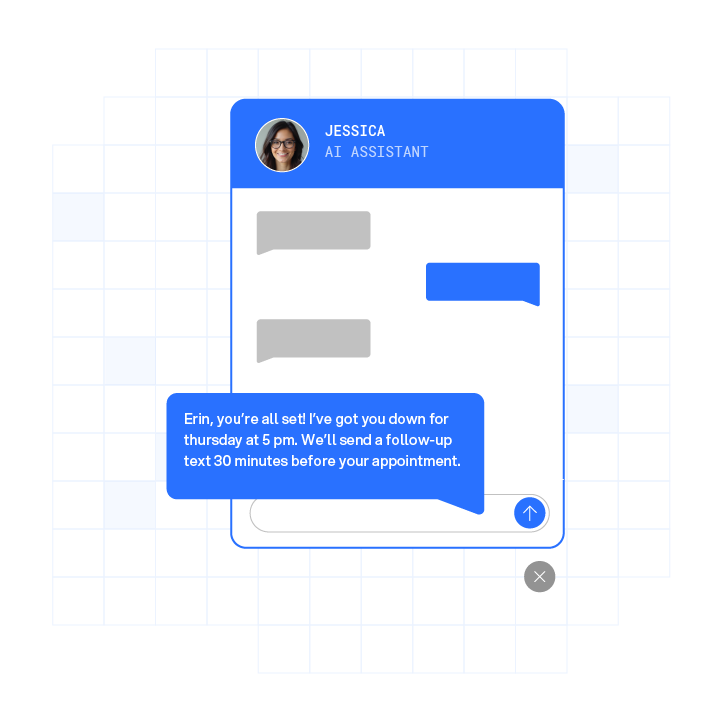
After a mobile visitor converts, speed-to-lead determines whether that conversion becomes revenue. Lead conversion rates drop 10x after the first 5 minutes, and leads contacted within 1 minute are 391% more likely to convert than those contacted after 24 hours3. Plura’s AI agents respond in under 5 seconds across voice, SMS, RCS, and webchat, closing the gap between form submission and first contact without added headcount.
6. Detect Ad Fatigue and Set a Refresh Cadence
Creative fatigue is measurable before it damages performance. Set frequency caps at 3 to 4 impressions per user per week, monitor CTR and CPA weekly, and refresh creative when CTR drops 20% from baseline. Maintain 3 to 5 active variants per ad set so the algorithm has rotation options without a full creative overhaul.
A CPA increase greater than 15% is a reliable trigger for a creative refresh. A consistent refresh cadence helps keep CPA close to baseline by rotating new hooks before fatigue sets in.
7. Analyze ROAS and Scale Proven Winners
Segment ROAS by creative, audience, and placement using a minimum 30-day lookback with stable tracking. This segmentation reveals which combinations generate revenue efficiently and which segments waste budget. After you see the performance distribution, pause the bottom 20% of spend to stop the bleed, then increase budget on the top 20% by 20 to 30% to capitalize on proven winners. Reallocate the budget freed from underperformers to new tests so you maintain a continuous improvement cycle.
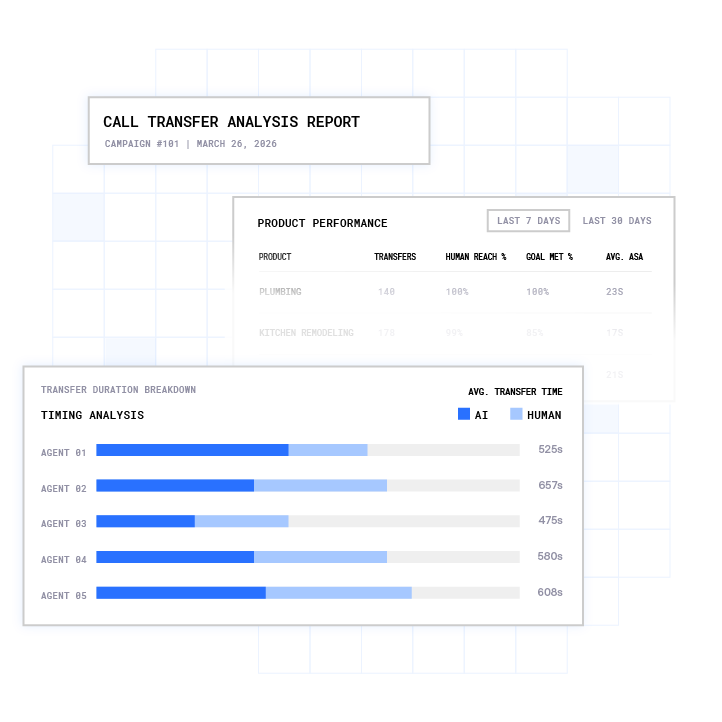
Research indicates that a large share of prospects choose to buy from the first responder who contacts them. ROAS analysis that stops at the ad platform misses the conversion gap between click and conversation. Plura’s AI Conversation Intelligence extracts insights from voice, SMS, and webchat interactions, then surfaces trends and conversion patterns that feed back into the bidding and creative decisions in steps 3 and 4.
What Is the Average Conversion Rate for Paid Ads?
Benchmarks vary significantly by channel and industry. The table below reflects 2026 data aggregated from multiple industry sources.3
|
Channel |
Average Conversion Rate |
Source |
|---|---|---|
|
Google Search |
approximately 7.04%4 |
Dollar Pocket |
|
Google Shopping |
1.91% |
PPC.io |
|
Meta (Facebook and Instagram) |
approximately 7.72% for leads, 1.6% for ecommerce |
Kirro |
|
Display advertising |
0.77% |
Digital Applied |
Paid search conversion rates typically outperform broader sitewide averages because paid traffic is more targeted and searchers are often further down the purchase funnel. Industry variation is substantial. Automotive repair and services reached 14.67% in 2025 Google Ads data, while finance and insurance averaged 2.5% despite high CPCs.
Is 5% Conversion on Google Ads Good?
A 5% conversion rate on Google Ads sits below the Search average discussed in the benchmark section but can still be acceptable depending on your industry, offer, and the revenue value of each conversion.
|
Conversion Rate |
Interpretation |
Source |
|---|---|---|
|
Below 3% |
Lucky Orange |
|
|
5% |
Around or below average for many industries; evaluate against your vertical |
Dollar Pocket |
|
7.04% |
Approximate Google Search average |
Dollar Pocket |
|
8.18% |
Overall Google Ads average |
Dollar Pocket |
|
Above 10% |
Lucky Orange |
A 5% rate in finance and insurance is strong given that vertical’s 2.5% category average. The same rate in automotive repair, where the category average is 14.67%, signals a significant optimization gap. Use your vertical benchmark, not the all-industry figure, as the primary reference point.
Compare plans and rates side by side to see how Plura’s conversation infrastructure fits your paid-ad operation.
Frequently Asked Questions
How long does it take to implement this 7-step framework?
The timeline depends on your current tracking maturity and traffic volume. Tracking setup and event verification typically take days to two weeks. Message-match audits and landing-page changes can be deployed within a week. Value-based bidding migration requires a 14-day parallel-campaign window plus the prerequisite of 50 or more weekly conversions with revenue data. A full framework implementation, from tracking audit to scaled ROAS analysis, typically runs four to eight weeks for campaigns with sufficient volume. Campaigns below the 50-conversion-per-week threshold need to build volume first before steps 3 and 4 are viable.
What are the prerequisites before starting conversion optimization?
Clean conversion tracking is the non-negotiable prerequisite. Without accurate event data flowing back to the ad platform, every subsequent step produces unreliable signals. Specifically, purchase or lead events must be mapped to the ad platform, the Conversions API must be implemented alongside the pixel, deduplication must be verified, and event firing must be confirmed on every conversion path. Value-based bidding additionally requires 50 or more weekly conversions per ad set with accurate revenue values attached. Testing requires sufficient traffic to reach 500 conversions per test variable within a reasonable timeframe.
What compliance considerations apply to paid-ad conversion infrastructure in regulated verticals?
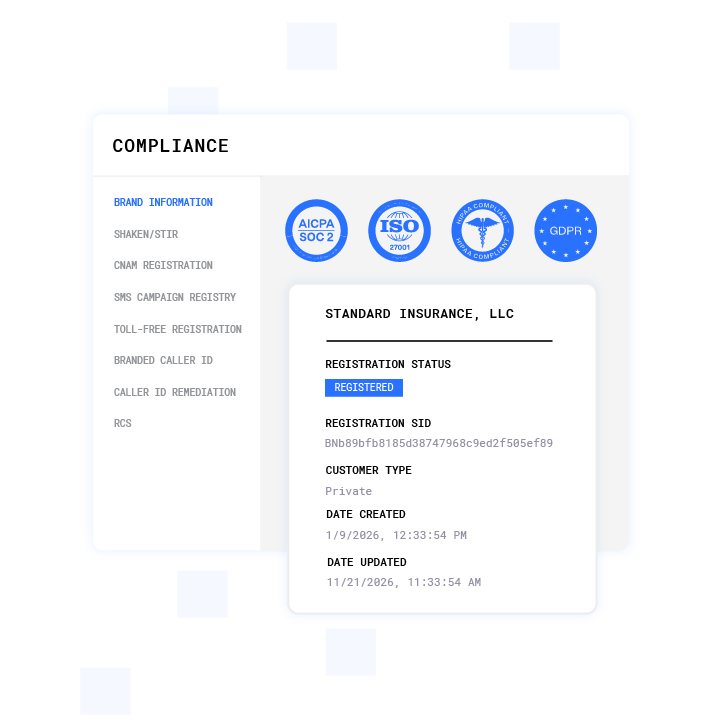
Regulated verticals including healthcare, insurance, financial services, and legal face additional requirements around how lead data is collected, stored, and used in follow-up conversations.2 Plura supports compliance with SOC 2, HIPAA, ISO certification, GDPR, SHAKEN/STIR caller ID verification, TCPA compliance, and DNC compliance across its voice, SMS, RCS, and webchat infrastructure.1 Every outbound contact is checked against federal and state DNC registries in real time before dial, consent records are timestamped and immutable, and quiet-hours rules enforce automatically through time-zone detection. Customers are responsible for their own regulatory obligations and should consult qualified counsel on the specific requirements that apply to their operations.
How does Plura integrate with paid-ad conversion workflows?
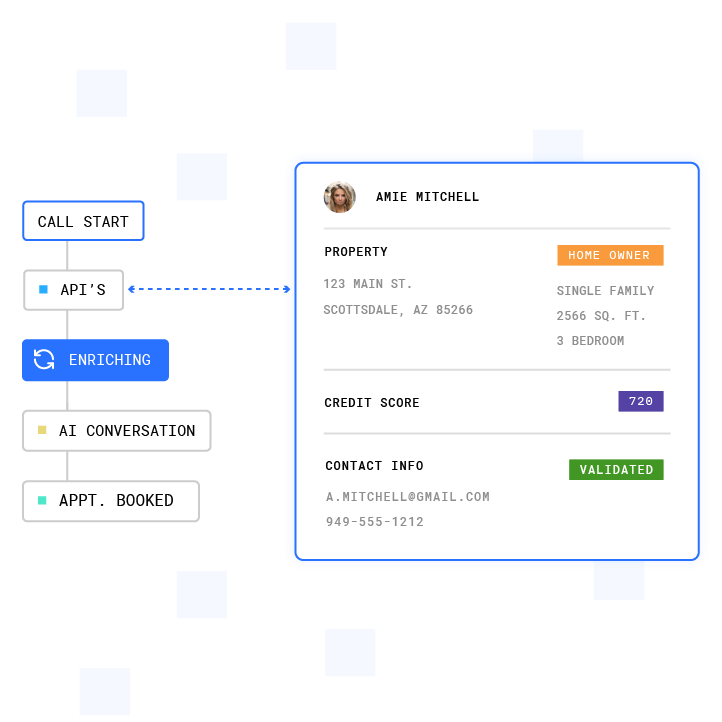
Plura connects to the post-click layer of the paid-ad funnel. When a visitor converts on a landing page, Plura’s AI agents initiate contact in under 5 seconds across voice, SMS, RCS, and webchat. The Stateful Conversation Database holds context across every channel, so a lead who received an SMS at 9 a.m. is recognized when the voice call comes at noon without re-qualification. Plura integrates with HubSpot, Salesforce, Zoho, and 50 or more additional tools across CRM, attribution, calendar, and payment categories. Attribution platforms including Cometly, Retreaver, and Ringba connect directly, enabling revenue data to flow back to the ad platform for value-based bidding. The full integration directory is at plura.ai/integrations.
How should ROAS be measured when conversations span multiple channels?
Single-touch attribution models undercount revenue in multi-channel funnels. A lead that clicks a Google Search ad, receives an SMS follow-up, and closes on a voice call will appear as a Google conversion in last-click models but as an SMS or voice conversion in first-touch models. The most accurate approach is revenue-attributed ROAS using a 30-day lookback with data from all touchpoints. Plura’s AI Conversation Intelligence extracts conversion outcomes from voice, SMS, RCS, and webchat interactions and surfaces them alongside the ad-platform data, giving paid-ads managers a complete picture of which creative, audience, and placement combinations are driving closed revenue rather than just form fills. This data feeds directly into the segmentation work in step 7 of the framework.
1 Plura AI maintains SOC 2, HIPAA, ISO, and GDPR posture as part of its platform infrastructure. References to compliance frameworks in this article describe Plura’s platform capabilities and do not constitute a guarantee that any customer using Plura will themselves be compliant with applicable laws or standards. Customers remain solely responsible for their own regulatory obligations, certifications, consent management, recordkeeping, and the claims they make to their own end users. Consult qualified legal counsel for guidance specific to your use case.
2 This article describes regulatory frameworks at a general level and does not constitute legal advice. Laws and regulations vary by jurisdiction, change over time, and apply differently depending on facts and circumstances. Readers should consult qualified legal counsel before making compliance decisions.
3 Performance figures, customer outcomes, and industry statistics referenced in this article are drawn from cited third-party sources or Plura customer case studies. Individual results vary based on implementation, use case, industry, audience, and execution. Past or aggregate performance is not a guarantee of future results.
4 References to third-party products, services, companies, or research are made for informational and comparative purposes only. Plura AI is not affiliated with, endorsed by, or sponsored by any third party named in this article unless explicitly stated. Trademarks and product names referenced remain the property of their respective owners.
This article is provided for informational purposes only and reflects Plura AI’s understanding at the time of publication. Product capabilities, integrations, and specifications are subject to change. For the most current information, visit plura.ai.
This article was produced with the assistance of AI tools and reviewed by Plura AI prior to publication.