

Written by: Matt Beucler, CEO, Plura AI
Key Takeaways for 2026 Dialer Budgeting
- DNC compliant dialer costs in 2026 range from $20–$300 per user per month, plus federal and state DNC list fees that can exceed $22,000 annually for nationwide access.
- Compliance add-ons such as third-party scrubbing, TCPA consent management, and STIR/SHAKEN attestation often add hundreds to thousands of dollars per month beyond base seat pricing.
- TCPA exposure can reach $500–$1,500 per violation with no aggregate cap, so real-time DNC enforcement becomes critical for high-volume operations.2
- Integrated carrier-owned platforms remove separate scrubbing contracts and lower total cost of ownership by rolling compliance into a single seat fee.
- Plura AI delivers built-in, real-time DNC enforcement and SHAKEN/STIR verification on 100% U.S. infrastructure, and Plura can simplify your compliance stack.1
2026 DNC Compliant Dialer Cost Tiers by Deployment Level
Compliance add-ons can double or even triple your visible seat cost. A $99 per-user dialer can turn into a $2,750 monthly bill for just 10 agents once you add real-time scrubbing, consent management, and attestation. The table below shows how those layers stack across three common deployment tiers.
| Tier | Per-User/Month (Seat) | Compliance Add-Ons/Month | Estimated Monthly Total (10 Agents) |
|---|---|---|---|
| Entry (single-line, basic DNC) | $70–$99 | $150–$400 | $850–$1,390 |
| Mid-Market (multi-line, built-in TCPA tools) | $100–$165 | $400–$1,100 | $1,400–$2,750 |
| Enterprise (predictive, full compliance stack) | $150–$250+ | $1,100–$2,500 | $2,600–$5,000+ |
Compliance add-on ranges cover third-party DNC scrubbing, TCPA consent management, and recording retention overhead. They do not include federal or state DNC list subscription fees, which are billed separately and detailed below.
Run your numbers through Plura’s calculator to check your ROI in real time.3
Per-User Pricing for DNC Compliant Dialers in 2026
Per-user seat pricing in 2026 varies by dialing mode, contract length, and seat minimum. Entry-level plans from vendors such as CloudTalk, JustCall, and Aircall start at $19–$30 per user per month, usually with a minimum of two to three seats and an annual commitment.4
Mid-market options with multi-line capability and built-in compliance tooling sit higher. Aloware starts at $80 per user per month and Kixie at $95, while Mojo Dialer is priced at $99 and PhoneBurner at $127 per user per month. High-volume predictive dialer platforms with native TCPA compliance features, such as Convoso, are quoted at roughly $150 per user per month. Parallel-dialing platforms such as Orum are estimated above $200 per user per month with a three-seat minimum and annual commitment.
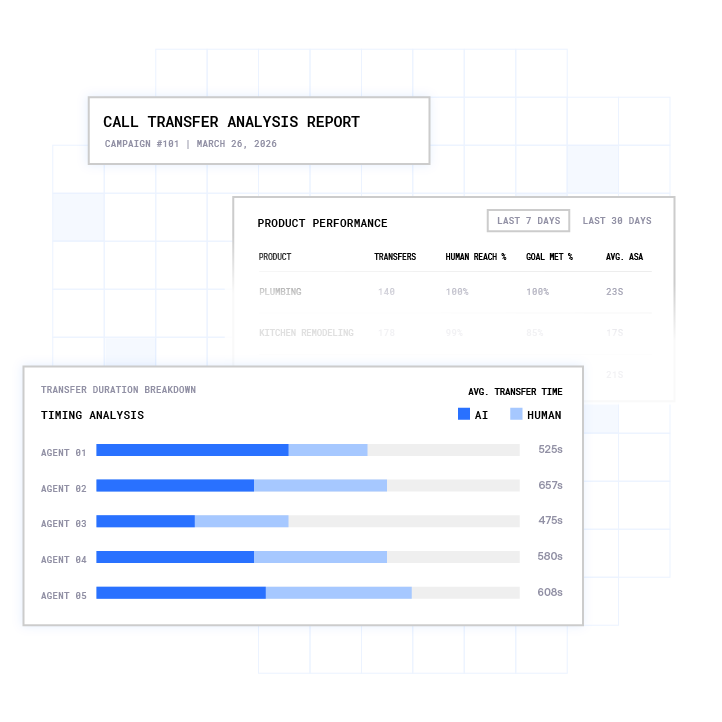
Per-minute usage fees add another layer. Many dialers charge per-minute usage fees separately from the seat fee. A team placing 5,000 calls per month at an average of two minutes each can incur several hundred dollars per month in usage before any compliance line items appear on the invoice.
Federal DNC List Access Fees for 2026 Budgeting
The Federal Trade Commission (FTC) administers the National Do Not Call Registry at donotcall.gov. The first five area codes are free, and each additional area code costs $82 per year. Nationwide access across all U.S. area codes costs a maximum of $22,626 per year for FY 2026. Operations that dial only specific markets typically subscribe to the area codes they actively work, which reduces the annual fee but requires careful tracking as campaigns expand into new geographies.
Contact lists must be scrubbed against the registry at least every 31 days. Missing that refresh window creates exposure independent of whether the underlying number was registered before or after the last download, because the issue sits in the stale scrub rather than the registration date. That federal cadence forms the baseline. Eleven states maintain separate DNC registries (Colorado, Florida, Indiana, Louisiana, Massachusetts, Missouri, Oklahoma, Pennsylvania, Tennessee, Texas, and Wyoming), each with its own subscription and refresh requirements that stack on top of the federal fee.
Hidden Compliance Add-On Costs That Inflate Dialer Spend
The seat fee and the federal DNC subscription are the visible line items. The costs that routinely surprise operators at budget review are the bolt-on compliance tools required to operate at volume within regulatory frameworks. Four categories dominate: DNC scrubbing, consent management, recording retention, and caller ID attestation.
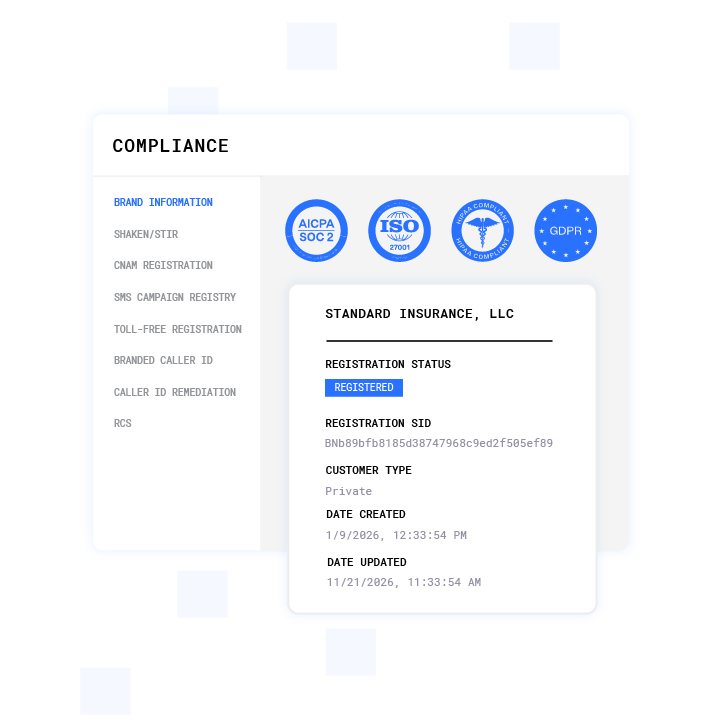
Third-party DNC scrubbing. Real-time scrubbing services such as Contact Center Compliance (DNC.com) are used for high-volume operations to add state-level DNC checks, litigation risk scoring, and reassigned-number database lookups that most dialer platforms do not perform natively.4
TCPA consent management. The FCC’s one-to-one consent rule was scheduled to take effect January 27, 2025, but was postponed by FCC order and vacated by the Eleventh Circuit before it could become effective.2 Platforms that manage consent documentation and link it to specific campaigns can add material cost to the compliance stack.
Recording retention and audit management. Compliance-related retention policies, audit management, and securing sensitive recordings create management overhead beyond raw storage costs. Teams often absorb this overhead across legal, compliance, and IT budgets.
STIR/SHAKEN attestation. Carrier-level STIR/SHAKEN attestation runs at varying rates through some carriers or through third-party services. Platforms that do not own their own carrier infrastructure typically pass this cost to the operator as a separate line item.
Combined, these categories drive total monthly compliance costs that scale with operation size. These figures do not appear on the dialer invoice but represent real operating costs that belong in any total cost of ownership (TCO) model.
TCPA Fine-Risk Calculator for High-Volume Campaigns
The Telephone Consumer Protection Act (TCPA) creates a private right of action for consumers. Statutory damages are $500 per unintentional violation and $1,500 per willful violation, with no cap on aggregate liability.2 A DNC Registry violation can reach up to $43,792 per call.
The exposure math scales directly with contact volume. A non-compliant campaign to 5,000 contacts creates theoretical exposure of $2.5 million to $7.5 million at the base fine rate, and a 10,000-contact campaign implies $5 million to $15 million. A campaign of 100,000 messages sent without proper consent could result in exposure exceeding $150 million in a class action. That theoretical risk is increasingly turning into realized liability as enforcement and litigation activity accelerate.
Litigation volume confirms the acceleration. TCPA cases reached 2,788 in 2024, a 67% increase over 2023, with monthly class-action filings hitting 172 by January 2025, a 268% year-over-year increase.3 TCPA class-action filings through mid-2025 were up nearly 95% year-over-year. State-level exposure is escalating in parallel. Connecticut’s mini-TCPA law describes penalties up to $20,000 per violation, and Arizona describes fines up to $1,000 per violation for unsolicited texts to DNC-registered numbers.
Run your numbers through Plura’s calculator to check your ROI in real time.
Integrated Carrier-Owned Platforms versus Standalone Scrubbing
Most dialer platforms are built on top of third-party Communications Platform as a Service (CPaaS) providers such as Twilio.4 In that model, DNC scrubbing, TCPA consent management, and SHAKEN/STIR caller ID verification come from separate vendors and appear as separate contracts. The operator manages three to five contracts, three to five audit trails, and three to five points of failure for every outbound campaign.
Plura AI operates differently. Plura is its own FCC-licensed audio bridging carrier. Real-time DNC enforcement, SHAKEN/STIR caller ID verification, TCPA compliance tooling, and branded caller ID function as first-class layers of the platform, not bolt-on contracts. Every outbound contact is checked against federal and state DNC registries before dial. Consent records are timestamped, immutable, and audit-ready. Quiet-hours rules apply automatically through time-zone detection. The compliance dashboard exports audit-ready reports in one click.
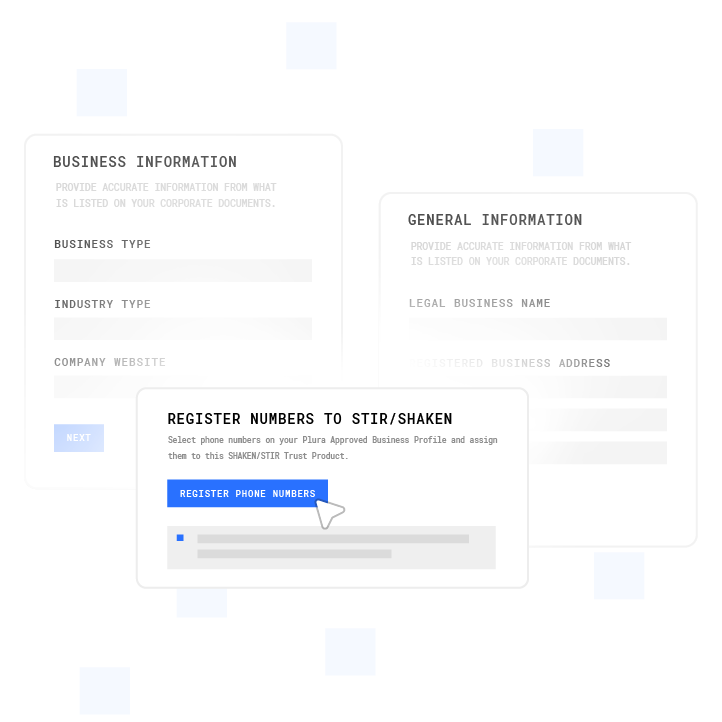
Standalone DNC scrubbing contracts on flat-rate plans vary by vendor and volume. Operators who consolidate onto an integrated platform remove that line item entirely. For a mid-market operation, that removal represents savings before accounting for TCPA consent platform fees or STIR/SHAKEN attestation costs.
Integrated versus Add-On Total Cost of Ownership
Consolidating compliance into an integrated platform can remove significant scrubbing spend at scale. The table below quantifies the TCO impact of eliminating separate scrubbing contracts. For a 200-agent operation, consolidation can cut $12,000 to $30,000 in annual scrubbing fees before any savings from consent platforms or attestation services.
| Operation Size | Standalone Dialer + Add-Ons (Annual) | Integrated Platform (Annual) | Estimated Annual Savings |
|---|---|---|---|
| 10 Agents | $18,000–$33,000 | Seat + integrated compliance (no scrubbing contract) | $2,400–$6,000 in scrubbing fees eliminated |
| 50 Agents | $75,000–$140,000 | Seat + integrated compliance (no scrubbing contract) | $6,000–$18,000 in scrubbing fees eliminated |
| 200 Agents | $260,000–$480,000 | Seat + integrated compliance (no scrubbing contract) | $12,000–$30,000 in scrubbing fees eliminated |
Standalone dialer annual figures are derived from mid-market per-user seat costs of $100 to $165 per user per month multiplied by agent count, plus the compliance add-on monthly ranges cited above annualized. Integrated platform figures reflect seat cost only, with DNC scrubbing, TCPA consent tooling, and SHAKEN/STIR caller ID verification included in the platform rather than billed separately. Operators should model their own area-code subscription costs and per-minute usage against these ranges using their actual call volumes.
Vendor-Question Checklist for Dialer Evaluations
Before signing a dialer contract, contact center leaders and ops executives can use the following questions as a structured checklist. The items move from carrier ownership, to specific compliance line items, to audit readiness.
- Do you own your carrier infrastructure, or do you route calls through a third-party CPaaS? The answer determines whether branded caller ID, SHAKEN/STIR caller ID verification, and DNC enforcement are native to the platform or bolted on from a separate vendor.
- Is DNC scrubbing included in the seat fee, or is it a separate contract? Ask for the specific per-scrub rate or flat-rate monthly cost, and confirm whether state-level DNC lists are included.
- How does the platform handle the FCC’s one-to-one consent rule? Consent records should be timestamped, immutable, and exportable for audit purposes.
- What is the federal DNC list refresh cadence, and who is responsible for managing it? The 31-day refresh requirement sits with the operator, so confirm whether the platform automates it or flags it manually.
- Does the platform enforce quiet-hours rules automatically by time zone? Manual enforcement at scale creates exposure, while automated time-zone detection has become the operational standard.
- What certifications does the platform hold, and can you provide documentation? Relevant references include SOC 2, HIPAA, ISO certification, GDPR, SHAKEN/STIR caller ID verification, TCPA-related controls, and DNC-related controls.1
- Is 100% U.S. infrastructure confirmed by architecture, not just by contract? Voice origination, model hosting, data storage, and call recording location all matter under the FCC NPRM (CG Docket No. 26-52) and state onshoring laws.
- What does the audit export process look like, and how long does it take to produce a compliance report? One-click export represents the operational benchmark, while multi-day manual pulls create risk in a regulatory inquiry.
Conclusion: Dialer Seat Fees versus Full Compliance Spend
DNC compliant dialer costs in 2026 extend far beyond the seat fee. Federal DNC list access, state registry subscriptions, third-party scrubbing contracts, TCPA consent platforms, SHAKEN/STIR attestation, and recording retention overhead combine into a compliance bill that scales with operation size. With TCPA damages reaching four figures per violation and litigation volume rising sharply through 2025, many operators treat this spend as a core risk-management line item.
Plura AI’s integrated, carrier-owned platform performs real-time DNC enforcement and SHAKEN/STIR caller ID verification on 100% U.S. infrastructure. The platform supports compliance with TCPA, DNC, HIPAA, SOC 2, ISO certification, and GDPR without separate scrubbing contracts.1 For operators running 10 to 200 agents, eliminating standalone scrubbing contracts represents savings before the broader TCO advantage of a single-vendor compliance stack.
Organizations remain responsible for their own certifications, regulatory obligations, and the claims they make to end users. Consult qualified legal counsel regarding your organization’s specific TCPA, DNC, and state-law obligations. The figures in this article are drawn from publicly available 2026 vendor pricing and compliance tool documentation and are intended for budgeting and RFP purposes.
Run your numbers through Plura’s calculator to check your ROI in real time.
Frequently Asked Questions
What is the difference between a DNC compliant dialer and a standard power dialer?
A standard power dialer automates outbound call sequencing to increase agent talk time. A DNC compliant dialer adds enforcement layers on top of that automation: real-time scrubbing of contact lists against the federal National Do Not Call Registry and applicable state registries before each dial, TCPA consent record management, quiet-hours enforcement by time zone, and SHAKEN/STIR caller ID verification. Without those layers, a power dialer can generate TCPA exposure at the same rate it generates call volume. The distinction matters most for high-volume operators in regulated verticals such as healthcare, insurance, financial services, and legal, where a single non-compliant campaign can produce liability that exceeds the annual cost of the dialer itself.
How does Plura AI handle DNC compliance without a separate scrubbing contract?
Plura is its own FCC-licensed audio bridging carrier, which means DNC enforcement is built into the origination layer rather than sourced from a third-party vendor. Every outbound contact is checked against federal and state DNC registries in real time before dial. Non-compliant numbers are blocked before the first attempt. TCPA consent records are timestamped, immutable, and audit-ready. Quiet-hours rules apply automatically through time-zone detection. SHAKEN/STIR caller ID verification runs on every outbound call at the carrier level. The compliance dashboard exports audit-ready reports in one click. Operators do not manage a separate scrubbing contract, a separate consent platform, or a separate STIR/SHAKEN attestation service. All of those functions operate as first-class layers of the Plura platform. Customers remain responsible for their own regulatory obligations and should consult qualified counsel regarding their specific compliance posture.
What federal DNC list fees should contact center operators budget for in 2026?
The FTC charges $82 per area code beyond the first five, with a $22,626 cap for nationwide access in FY 2026. Most operations subscribe only to the area codes they actively dial, which reduces the annual fee but requires tracking as campaigns expand into new geographies. Contact lists must be refreshed against the registry at least every 31 days. Eleven states maintain separate DNC registries with their own subscription and refresh requirements that stack on top of the federal fee. Operators should budget for both federal and applicable state subscriptions when modeling total compliance spend.
How does TCPA exposure factor into dialer budgeting for 2026?
TCPA statutory damages are $500 per unintentional violation and $1,500 per willful violation, with no cap on aggregate liability. A DNC Registry violation can reach up to $43,792 per call. Because damages are assessed on a per-contact basis, exposure scales directly with outbound volume. A campaign to 5,000 contacts without proper consent creates theoretical exposure of $2.5 million to $7.5 million at the base fine rate. TCPA class-action filings were up nearly 95% year-over-year through mid-2025. State-level mini-TCPA laws in states such as Connecticut and Florida describe additional per-violation penalties. Contact center leaders should model TCPA exposure as a budget risk line item alongside dialer seat costs and compliance add-on fees, and consult qualified legal counsel regarding their specific obligations under federal and state law.
What should operators look for when evaluating whether a dialer’s compliance features are native or bolted on?
The clearest indicator is carrier ownership. Platforms that route calls through a third-party CPaaS such as Twilio cannot issue branded caller ID at the carrier level, cannot enforce DNC scrubbing at origination, and cannot provide SHAKEN/STIR caller ID verification without sourcing it from a separate vendor. Those functions become separate contracts with separate audit trails and separate points of failure. Operators should ask vendors directly whether they own their carrier infrastructure or resell it, whether DNC scrubbing is included in the seat fee or billed separately, whether TCPA consent records are timestamped and exportable, and whether quiet-hours enforcement is automated by time zone or managed manually. Platforms that own the full carrier stack can enforce compliance at origination rather than as an afterthought, which reduces both the number of vendor contracts and the operational surface area for compliance gaps.
1 Plura AI maintains SOC 2, HIPAA, ISO, and GDPR posture as part of its platform infrastructure. References to compliance frameworks in this article describe Plura’s platform capabilities and do not constitute a guarantee that any customer using Plura will themselves be compliant with applicable laws or standards. Customers remain solely responsible for their own regulatory obligations, certifications, consent management, recordkeeping, and the claims they make to their own end users. Consult qualified legal counsel for guidance specific to your use case.
2 This article describes regulatory frameworks at a general level and does not constitute legal advice. Laws and regulations vary by jurisdiction, change over time, and apply differently depending on facts and circumstances. Readers should consult qualified legal counsel before making compliance decisions.
3 Performance figures, customer outcomes, and industry statistics referenced in this article are drawn from cited third-party sources or Plura customer case studies. Individual results vary based on implementation, use case, industry, audience, and execution. Past or aggregate performance is not a guarantee of future results.
4 References to third-party products, services, companies, or research are made for informational and comparative purposes only. Plura AI is not affiliated with, endorsed by, or sponsored by any third party named in this article unless explicitly stated. Trademarks and product names referenced remain the property of their respective owners.
This article is provided for informational purposes only and reflects Plura AI’s understanding at the time of publication. Product capabilities, integrations, and specifications are subject to change. For the most current information, visit plura.ai.
This article was produced with the assistance of AI tools and reviewed by Plura AI prior to publication.