

Written by: Matt Beucler, CEO, Plura AI
Key Takeaways on 2026 Live Transfer Costs
- Live transfer pricing in 2026 ranges from $25 to $180 per qualified call, with life insurance at the high end and debt settlement at the low end.3
- Per-call fees cover vendor screening, compliance, and infrastructure, but they create unpredictable monthly spend that scales directly with volume.
- Medicare and ACA verticals see seasonal price spikes during open enrollment, with costs 20–35% above off-season rates.
- Hourly AI SMS pricing removes per-call fees while maintaining 95–100% contact rates and strong speed-to-lead performance across all verticals.
- Plura AI’s hourly AI SMS model handles speed-to-lead, text-to-call, lead qualification, and live transfer on carrier-grade infrastructure, and you can book a live demo with Plura to compare costs for your vertical.
How Live Transfers Work in Insurance and Medicare
A live transfer is a real-time handoff where a vendor screens a prospect, confirms basic qualification criteria, and connects that prospect directly to a licensed agent while the call is still active. The agent receives a connected conversation, not a scheduled callback or a web lead that needs follow-up dials.
Operators pay a premium for this model because the contact problem is already solved. Live transfer leads deliver a 95–100% contact rate because the prospect is already on the phone at the moment of transfer.3 That removes the largest drop-off point in most lead funnels, which is the gap between lead capture and first human contact.
The per-call fee reflects the cost of that screening infrastructure. Vendors fund call center labor, compliance overhead, consent capture, DNC scrubbing, and their own margin. Every dollar in the per-call price is a dollar the operator does not spend building that infrastructure internally.
2026 Live Transfer Pricing by Vertical
| Vertical | Low-End (per call) | High-End (per call) | Notes |
|---|---|---|---|
| Medicare Advantage / Supplement | $25 | $115 | AEP (Oct 15–Dec 7) and MA-OEP push pricing to the high end, with 90–120 second duration thresholds common. |
| Final Expense | $35 | $85–$120 | Year-round availability. Facebook-sourced calls anchor the low end, while Google search and direct mail drive the high end. |
| Life Insurance | $80 | $180 | Higher lifetime value drives premium pricing, with reported close rates of 12–25%. |
| ACA / Health Insurance | $25 | $85 | Open Enrollment (Nov 1–Jan 15) pushes pricing 20–35% above off-season rates. |
| Solar | $25 | $75 | Pricing reflects homeowner qualification depth. Geography and credit filters add cost. |
| Debt / Debt Settlement | $3–$8 | $25 | FDCPA overlay increases compliance cost, and debt amount thresholds affect the billable rate. |
| Commercial Insurance | $35 | $150 | Workers’ comp and specialty lines reach the high end with a real-time handoff model. |
Life and Final Expense Live Transfer Economics
Life insurance live transfers carry the highest per-call floor of any personal-lines vertical. Life insurance live transfers cost $80–$180 per connected call in 2026 depending on provider and filters.
Final expense sits below life on the pricing curve. Final expense live transfers are priced at $35–$75 per transfer in 2026, with close rates of 25–35% and a 100% contact rate as pre-vetted calls. Agent experience materially affects economics. Top producers with two or more years of experience close 25–30% of final expense live transfers, while agents in their first six months close 15–20%.
These close rate variations directly impact the cost-per-close math, which is where per-call pricing gets expensive. An $85 live transfer with 100% contact rate, 85% qualification rate, and 20% close rate produces a $500 cost per close.3 At $110 per call with a 15% close rate, cost per close exceeds $730. Operators running high-volume final expense or life programs at those figures often spend $15,000–$25,000 per month on live transfer fees before agent labor.
After factoring in close rates often in the 2% to 3% range and follow-up time, the total acquisition cost per life insurance client can reach $2,000 to $3,000. Live transfers reduce that figure by solving the contact problem, but the per-call fee still compounds at scale.
Medicare Live Transfer Pricing in 2026
Medicare is the most seasonally volatile live transfer vertical. Medicare pay-per-call leads range from $25 to $115 per billable call in 2026, with the higher end driven by AEP (October 15 to December 7) and MA-OEP periods.
Exclusive Medicare live transfers, where a prospect is already on the phone when connected to the agent, are priced according to aggregated pricing benchmarks from major lead vendors as of Q2 2026. The premium reflects the 95–100% contact rate mentioned earlier. A live transfer is the only Medicare Advantage lead tier where the price buys a connected conversation rather than a chance at one.
Compliance overlays add cost that does not appear in the per-call rate. Medicare live transfer programs operate under CMS Medicare Communications and Marketing Guidelines (MCMG) and AHIP product training requirements, which extend vendor onboarding timelines to 4–6 weeks and increase compliance costs compared to less-regulated verticals.
Real-time Medicare leads, including live transfers, convert at 3 to 5 times the rate of aged leads, which explains the premium pricing of $40 to $120 per lead versus $1 to $8 for aged lists. Speed-to-lead is the primary driver of that conversion gap. Every minute between form submission and first contact reduces the probability of a connected conversation.
Solar and Debt Live Transfer Cost Patterns
Solar live transfers in 2026 cost $25–$75 per qualified set or $3–$8 per transfer at scale. Pricing reflects homeowner qualification depth. Verified property ownership, roof age, utility bill thresholds, and credit filters all add cost to the vendor’s screening process.
Debt settlement live transfers cost as low as $3–$8 per transfer at scale. The FDCPA (Fair Debt Collection Practices Act) overlay increases compliance cost for vendors operating in this vertical, and debt amount thresholds directly affect the billable rate. Higher minimum debt balances command higher per-call fees because the prospect pool is smaller and the qualification process is more intensive.
Beyond these qualification factors, both solar and debt verticals share a structural challenge with per-call pricing. Seasonal and campaign-level volume swings make monthly spend unpredictable. A solar operator running 500 transfers per month at $85 average spends $42,500 on lead fees alone. A 20% volume increase in a strong month adds $8,500 in unbudgeted cost with no change to the underlying infrastructure.
Compliance Frameworks That Shape Live Transfer Programs
The Telephone Consumer Protection Act (TCPA, 47 U.S.C. § 227) is a primary federal statute that addresses outbound calling and texting.2 TCPA statutory damages run $500 per violation or $1,500 per willful violation, with no statutory cap and each call or text counted separately. For live transfer programs running thousands of calls per month, systemic consent deficiencies can create material financial exposure.
The FTC Telemarketing Sales Rule (TSR, 16 CFR Part 310) limits outbound telemarketing calls to 8 a.m.–9 p.m. local time and defines an abandoned call as one not connected to a sales representative within two seconds of the completed greeting.2 The National Do Not Call Registry requires re-scrubbing lists at least every 31 days.
State-level rules layer on top of federal frameworks. Florida requires prior express written consent for certain sales calls to residents with penalties up to $1,500 per violation, while Oklahoma limits calls to a maximum of 3 per number per 24 hours even with consent.2 Multi-state live transfer programs often apply the most restrictive applicable rule to each contact.
The FCC’s March 2026 Notice of Proposed Rulemaking (CG Docket No. 02-278) seeks comment on English proficiency expectations, caps on offshore call center handling, and customer disclosures for foreign-handled calls. Live transfer vendors using offshore operations can monitor this docket for potential changes. Operators with questions about their specific compliance obligations should consult qualified legal counsel.
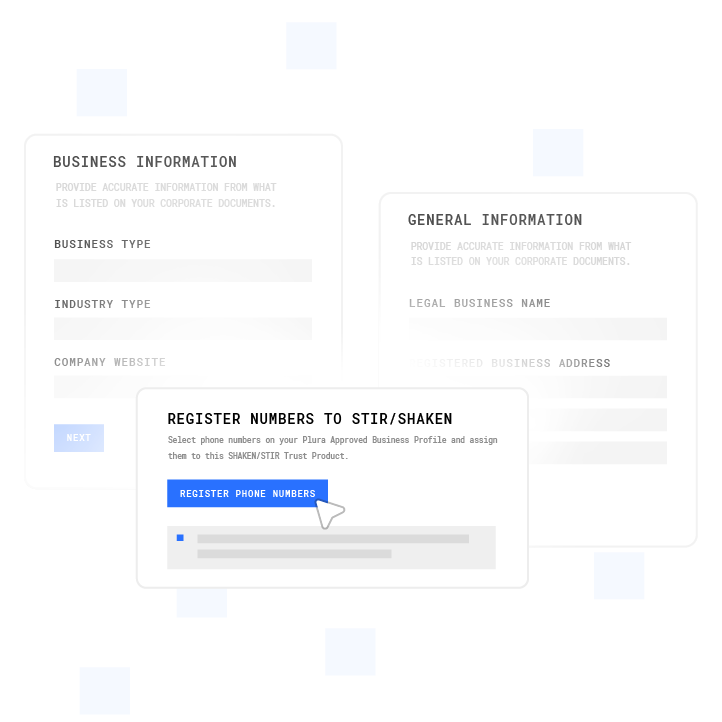
Plura supports compliance by addressing the regulatory areas outlined above. Built-in TCPA compliance infrastructure and DNC scrubbing support federal calling rules. SHAKEN/STIR caller ID verification aligns with FCC authentication standards. SOC 2 certification, HIPAA-aligned data handling, and ISO certification address data security and handling expectations.1 Plura provides this infrastructure, and compliance posture downstream of that remains the operator’s responsibility.
AI SMS Pricing vs Per-Call Live Transfer Fees
The structural difference between per-call and hourly pricing centers on where the financial risk sits. Per-call pricing transfers volume risk to the operator, because every additional transfer is an additional line item. Hourly pricing fixes the cost of the conversation infrastructure and lets volume scale without proportional fee increases.
Plura’s AI SMS model uses hourly pricing. At scale, this approach can substantially reduce costs compared to a full human team for the same output.
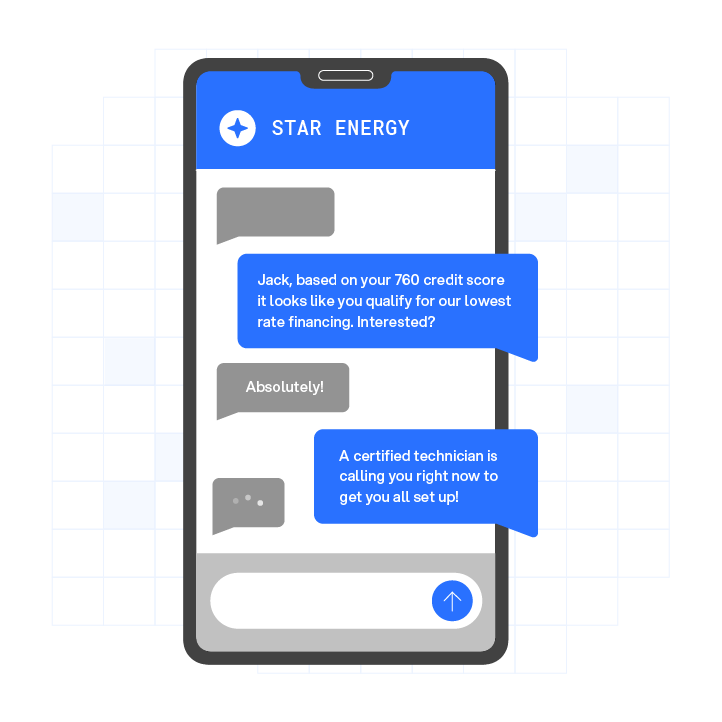
Applied to live transfer economics, the contrast becomes clear. A Medicare operator purchasing 300 live transfers per month at $65 average spends $19,500 in per-call fees. The same operator running Plura’s speed-to-lead and text-to-call workflows to qualify and connect those same prospects pays for hours of AI conversation time, not per-call fees. The ROI on switching from human agents to Plura agents can be significant over 30 days and 12 months.
The per-conversation cost comparison reinforces the hourly model’s advantage. Plura voice agents cost a fraction per completed conversation including intelligence, compared to fully loaded offshore call centers.3 Against the $500+ cost-per-close figures shown earlier, the hourly AI SMS model represents a structural cost reduction, not a marginal one.
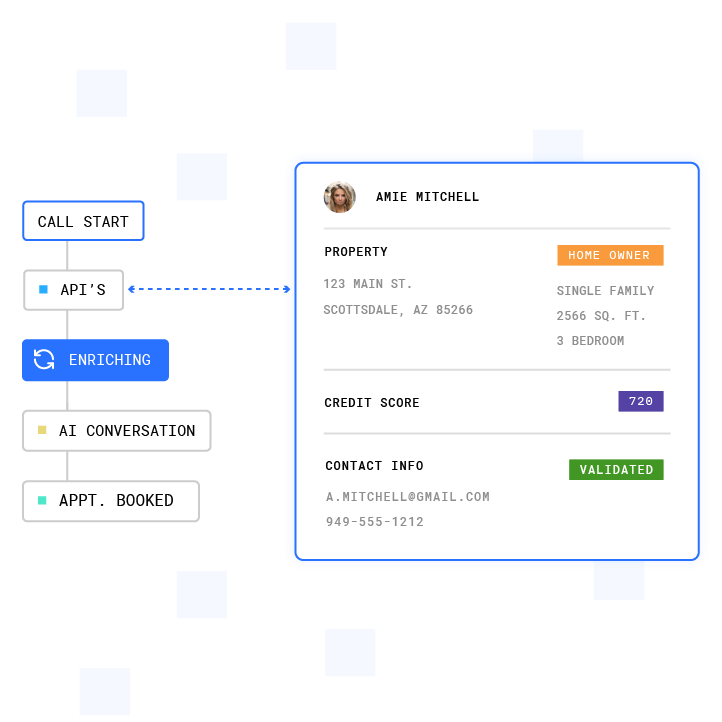
Plura’s platform handles the full lead qualification and live transfer workflow on carrier-grade infrastructure. The stack includes FCC-licensed audio bridging, SHAKEN/STIR authentication, branded caller ID, real-time DNC scrubbing, and a Stateful Conversation Database that holds context across every channel. The AI that texted a prospect at 9 a.m. picks up the call at noon already knowing what was said, which removes the re-qualification step that costs human agents time on every transfer.
An offshore team in the insurance industry often costs significantly more annually on a fully loaded basis, while Plura handling equivalent volume can cost less. For operators currently running per-call live transfer programs at $35 to $150 per call, the hourly AI SMS model removes the per-call fee structure entirely while maintaining the speed-to-lead and contact-rate performance that makes live transfers valuable.
Run your numbers through Plura’s ROI calculator to check your cost savings in real time. Compare plans and rates side by side.
Frequently Asked Questions
What does live transfer mean in insurance and Medicare lead generation?
A live transfer is a real-time phone handoff in which a vendor pre-screens a prospect, confirms basic qualification criteria such as state, age, and intent, and connects that prospect directly to a licensed agent while the call is still active. The agent receives a live conversation, not a lead record that needs follow-up dials. Live transfers carry a 95–100% contact rate because the prospect is already on the phone at the moment of handoff, which removes the largest drop-off point in most lead funnels.
How expensive are life insurance leads compared to other verticals?
Life insurance live transfers are the most expensive personal-lines category in 2026, ranging from $80 to $180 per connected call. Final expense transfers run $35–$75, Medicare $25–$115, and ACA health $25–$85. The higher life insurance price reflects the vertical’s longer policy lifetime value and the more intensive qualification process required before transfer. Cost per close in life insurance can reach $730 or more at a 15% close rate, which makes agent performance the primary lever for controlling acquisition economics.
What is the difference between per-call and hourly live transfer pricing?
Per-call pricing charges a fixed fee for each qualified transfer delivered by a vendor. Every additional call is an additional cost, so monthly spend tracks directly with volume. Hourly pricing, such as Plura’s AI SMS model, charges for the time the AI conversation infrastructure is running, not for each individual transfer. At scale, hourly pricing produces a lower cost per contact because the rate does not increase with volume. A Medicare operator purchasing 300 transfers per month at $65 average pays $19,500 in per-call fees. The same operator running an hourly AI SMS qualification and transfer workflow pays for hours of conversation time at a fraction of that figure.
What compliance rules affect live transfer programs in 2026?
The primary federal frameworks include the TCPA (47 U.S.C. § 227), the FTC Telemarketing Sales Rule (16 CFR Part 310), and the National Do Not Call Registry. TCPA statutory damages run $500–$1,500 per violation. State-level rules, including Florida’s FTSA and Oklahoma’s per-number call limits, layer additional requirements on top of federal standards. Medicare live transfer programs also operate under CMS Medicare Communications and Marketing Guidelines. The FCC’s March 2026 Notice of Proposed Rulemaking under CG Docket No. 02-278 proposes additional rules that would affect offshore call center operations. Operators should consult qualified legal counsel regarding their specific obligations under these frameworks.
How does Plura AI handle speed-to-lead for live transfer programs?
Plura’s AI SMS agents respond to new leads in under 5 seconds, validate and qualify prospects using data from more than 30 enrichment sources, and run a text-to-call workflow that connects a warm, qualified buyer directly to a licensed agent. The platform’s Stateful Conversation Database holds full context across every prior touchpoint, so the agent receiving the transfer already knows what was discussed in the SMS qualification thread. This removes the re-qualification step that costs human agents time on every traditional live transfer. Plura runs on its own FCC-licensed audio bridging carrier, which means branded caller ID, SHAKEN/STIR authentication, and real-time DNC scrubbing are enforced at the carrier level on every outbound contact.
Conclusion: Move from Per-Call Fees to Hourly AI SMS
Live transfer pricing in 2026 ranges from $25 for entry-level insurance verticals to $150 or more for premium lines calls. Those per-call fees reflect the cost of vendor screening infrastructure, compliance overhead, and middleman margin. At scale, they make monthly lead spend unpredictable and cost per close difficult to control.
Plura’s AI SMS model uses an hourly rate that covers speed-to-lead, text-to-call, lead qualification, and live transfer on the same carrier-grade platform. The contact-rate performance that makes live transfers worth buying is preserved. The per-call fee is not.
Use the ROI calculator referenced above to finalize your cost comparison and review pricing options.
1 Plura AI maintains SOC 2, HIPAA, ISO, and GDPR posture as part of its platform infrastructure. References to compliance frameworks in this article describe Plura’s platform capabilities and do not constitute a guarantee that any customer using Plura will themselves be compliant with applicable laws or standards. Customers remain solely responsible for their own regulatory obligations, certifications, consent management, recordkeeping, and the claims they make to their own end users. Consult qualified legal counsel for guidance specific to your use case.
2 This article describes regulatory frameworks at a general level and does not constitute legal advice. Laws and regulations vary by jurisdiction, change over time, and apply differently depending on facts and circumstances. Readers should consult qualified legal counsel before making compliance decisions.
3 Performance figures, customer outcomes, and industry statistics referenced in this article are drawn from cited third-party sources or Plura customer case studies. Individual results vary based on implementation, use case, industry, audience, and execution. Past or aggregate performance is not a guarantee of future results.
This article is provided for informational purposes only and reflects Plura AI’s understanding at the time of publication. Product capabilities, integrations, and specifications are subject to change. For the most current information, visit plura.ai.
This article was produced with the assistance of AI tools and reviewed by Plura AI prior to publication.