
Written by: Matt Beucler, CEO, Plura AI
Key Takeaways
- Speed to lead is the time between a lead expressing interest and first contact. A sub-5-minute response creates a major connection advantage.
- The average B2B company still takes over 40 hours to respond, which inflates cost per acquisition and hands deals to faster competitors.1
- Buyer interest decays rapidly, and conversion rates drop 10x after the first 5 minutes.1 Most buyers choose the first responder.
- Automation is required to achieve consistent sub-5-minute, or even sub-60-second, response across every channel, 24/7.
- Plura AI delivers responses in under 5 seconds across voice, SMS, RCS, and webchat with memory-driven conversations. See the impact on your pipeline with a live demo.
Defining Speed to Lead and Its Revenue Impact
Speed to lead measures the time between a lead expressing interest through a form fill, call, SMS, or chat and the first contact by a sales rep or automated system. It matters because buyer interest decays in minutes, and the first responder often wins the deal.
Speed to lead functions as a revenue metric that shapes cost per acquisition, pipeline velocity, and competitive win rates. Manual lead routing, batch CRM syncs, after-hours gaps, and human response times measured in hours combine to kill leads before a rep ever picks up the phone.
Marketing teams that treat lead response as a sales-only problem consistently underestimate how much revenue dies in the handoff. The gap between lead capture and lead contact is where marketing budget disappears. Closing that gap requires infrastructure, not extra motivation.
The Research: Key Speed to Lead Statistics and Studies
Fifteen years of research across millions of leads shows a consistent pattern. Response speed is the single most controllable predictor of lead qualification and conversion. The table below consolidates the major studies.
| Study / Source | Year | Key Finding |
|---|---|---|
| Lead Response Management Study (Oldroyd / InsideSales.com) | 2007 | Contacting a lead within 5 minutes versus 30 minutes makes a company 100x more likely to connect and 21x more likely to qualify the lead. |
| Harvard Business Review, “The Short Life of Online Sales Leads” (Oldroyd, McElheran, Elkington)2 | 2011 | Firms contacting leads within 1 hour were nearly 7x more likely to qualify them than those waiting even 2 hours, and more than 60x more likely than those waiting 24 hours.1 |
| Velocify Lead Response Study (3.5M leads) | N/A | Leads contacted within 60 seconds convert at 391% the rate of leads contacted at 2 minutes.1 |
| HBR Audit of 2,241 U.S. Companies | 2011 | Average first response time was 42 hours, and 23% of companies never responded at all.1 |
| Industry Research (cited by Plura) | 2026 | 78% of prospects choose to buy from the first responder who contacts them.1 |
| Industry Benchmark (Plura Calculator) | 2026 | Average B2B lead response time remains 47+ hours.1 |
Two of the studies in the table anchor the entire speed-to-lead field. The 2007 Lead Response Management Study, conducted by Dr. James Oldroyd in partnership with InsideSales.com, analyzed more than 15,000 web-generated leads and over 100,000 call attempts across six companies. The 2011 HBR paper by Oldroyd, McElheran, and Elkington extended that analysis to 1.25 million inbound sales leads across 42 American companies. Both studies measure contact and qualification rates, not guaranteed revenue, yet the directional evidence has remained consistent across every replication since.
More recent benchmarks confirm the same pattern. Optifai’s Sales Ops Benchmark (Q2 2025 to Q1 2026, n=939 B2B companies)2 reports that companies responding in under 5 minutes achieve a 32% close rate, while those taking longer than 24 hours achieve only a 12% close rate.1 RevenueHero’s 2024 study across 1,000 B2B companies2 found that 63.5% of companies never replied to inbound leads at all.1
The Psychology of Buyer Intent: Why Minutes Matter
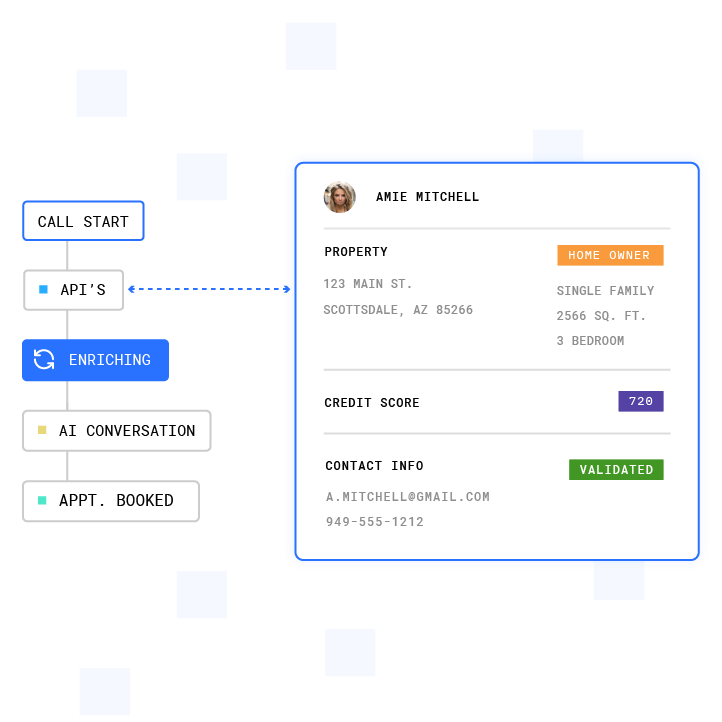
When a lead submits a form or sends a message, their problem is top-of-mind and they are actively seeking a solution. Gartner research indicates that modern B2B buyers complete 70% of their research before talking to sales2, so by the time they fill out a form, they are already comparing two or three vendors simultaneously. The first to respond shapes the buying process, sets the evaluation frame, and often captures the deal.
Capitalizing on Peak Interest
Every minute of delay gives a lead time to lose urgency, forget they reached out, or engage with a competitor who responded faster. Lead conversion rates drop 10x after the first 5 minutes, and after 10 minutes the odds drop another 4x.1 The window where a lead is most reachable is measured in minutes. The average business responds over a span of days.
Winning Against Faster Competitors
Buyers rarely contact just one vendor. Industry research shows that most prospects choose the first responder, regardless of price or brand reputation. In real estate, buyers routinely inquire with three to five agents simultaneously, and the first callback usually wins. The same dynamic appears across insurance, legal, home services, and B2B SaaS. Speed functions as a competitive weapon, not just an operational metric.
The Cost of Slow Response: Quantifying the Revenue Leak
The industry standard of roughly 47 hours for first contact represents a structural revenue leak that compounds with every new lead. Slow follow-up inflates effective cost per acquisition. Consider a company that spends $50 per lead. With fast follow-up and a 20% conversion rate, the cost per acquisition is $250. If slow follow-up drops conversion to 5%, that same ad spend yields a cost per acquisition of $1,000.1
Another illustration shows the impact on pipeline volume. A company generates 100 leads per month with a $5,000 average deal size and a 40% close rate. Responding within 5 minutes converts leads to opportunities at a 21% rate, while waiting more than 30 minutes drops that rate to 2.3%.1 That shift means roughly 21 qualified conversations instead of roughly 2 from the same leads. The marketing budget and the leads stay the same; only the response time changes.
Run your numbers through Plura’s ROI calculator to quantify the revenue impact of improving your speed to lead. Faster response on the same leads lowers cost per acquisition and grows pipeline without increasing ad spend.
The insurance industry alone loses an estimated $2.6 billion annually from slow lead follow-up.1 For home services, a typical service business receiving around 50 calls a day with a 20-25% miss rate loses approximately $126,000 annually,1 often more than its entire marketing budget.
How to Improve Speed to Lead: A Practical Playbook
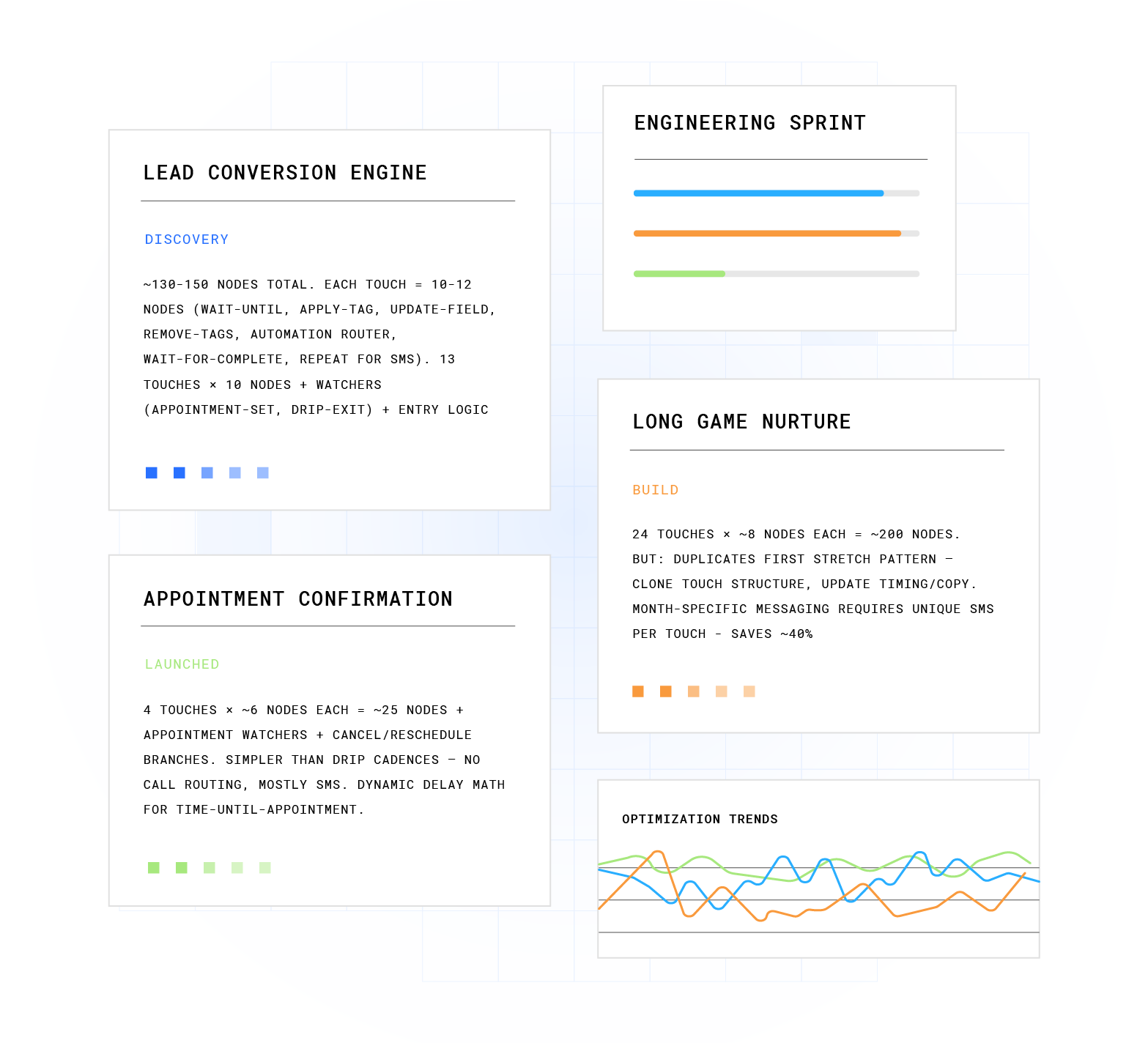
The following playbook works with any CRM. The goal is sub-5-minute response on every lead, every hour. Automation enables this consistently, and the structural fixes below help whether a team uses AI agents or a human SDR workflow.
- Set Up Instant Lead Routing. Use round-robin or skill-based routing to ensure no lead sits unassigned. Manual lead assignment is the most common cause of slow response. Even an assigned lead is not truly handled until a rep makes contact. A lead that has been assigned but not contacted has not been responded to.
- Use Automated Alerts. Trigger SMS, Slack, or push notifications to reps the instant a lead arrives. CRM email notifications often include delays that compound across hundreds of leads per month.
- Implement SMS and Chat Auto-Responses. Acknowledge the lead instantly on the channel they used and deliver value, not just a generic thank-you. An automated “thanks, we got your message” ping does not count as contact. The first touch should address the lead’s stated intent.
- Deploy AI Agents for 24/7 Coverage. Thirty to fifty percent of inbound leads convert outside business hours. Without an after-hours system, those leads wait 12 or more hours, which gives competitors time to respond first.
- Create Response Templates. Pre-build templates for common scenarios to reduce friction and ensure consistency. Personalize with the lead’s actual stated interest, not just their first name.
- Monitor and Measure. Track median response time, 90th percentile response time, and SLA adherence on a dashboard. Most teams overestimate their lead response speed by 3 to 5x. Review performance weekly to catch issues early.
- Automate the Handoff. Measure speed to lead from the lead’s clock, using the form submission timestamp. CRM sync delays can add 5 to 30 minutes to the measurement and hide the real problem.
Human teams, regardless of motivation, cannot maintain instant response across every channel, 24/7. Human sales teams rarely hit the sub-60-second response window across all leads and all hours, so automation becomes the path to elite performance.
The playbook above assumes a single channel, yet real leads arrive across voice, SMS, chat, and web forms. Each channel carries its own response expectations, which the next section covers.
Speed to Lead Across Channels: SMS, Chat, Voice, and AI Agents
Speed to lead applies across phone, SMS, chat, and web forms. The channel a lead uses to reach out sets the expectation for how quickly they expect a reply. SMS open and answer rates often reach 90 to 98% within minutes, which makes it one of the fastest channels for lead engagement. Invoca’s Lead Conversion Benchmarks Report 2026, analyzing 70 million voice and SMS conversations across 10 industries, found that 44% of callers to businesses never reach a person, a structural gap that AI agents can address directly.2

The Role of AI Agents in Multi-Channel Response
Plura AI’s AI SMS agents and AI voice agents respond in under 5 seconds on any channel, whether voice, SMS, RCS, or webchat. They operate around the clock and handle multiple conversations at once. These agents qualify leads in real time, hold memory-driven conversations, and escalate to human reps with full context when a workflow gate triggers. The Stateful Conversation Database means an agent that texted a lead at 9 a.m. can pick up the call at noon already knowing what was said, so the buyer never has to repeat themselves.
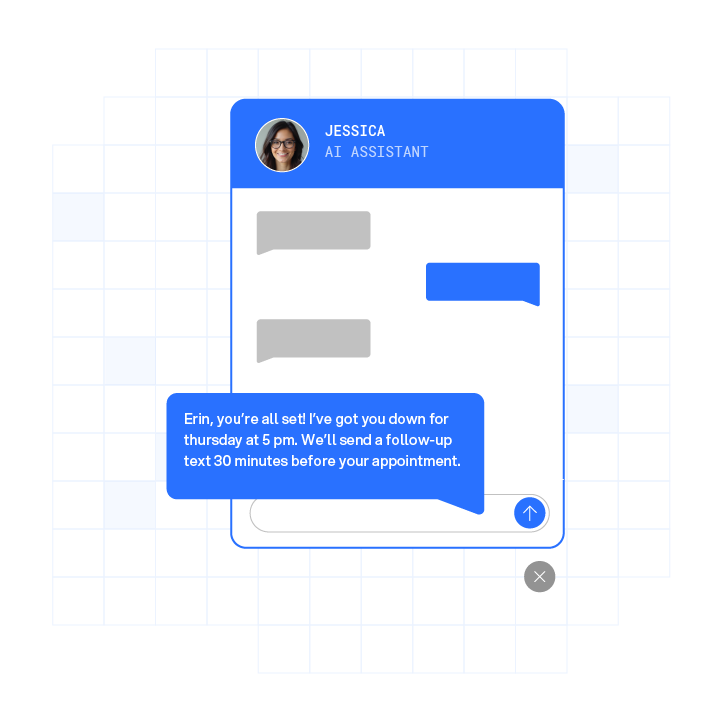
Plura enables lead responses in under 60 seconds across every channel, replacing the 47-hour industry average with a standard that human teams cannot match at scale. Organizations deploying AI for speed to lead often see response times drop from hours to seconds and connection rates increase by 3x to 5x.1
Watch AI agents handle inbound leads in real time to see how this plays out across your channels.
Measuring and Benchmarking Your Speed to Lead
Once responses are automated across channels, the next step is measuring whether the system actually hits target benchmarks. The key KPIs for speed to lead are average response time, first response time, lead contact rate, and conversion rate by response-time bucket. CalLeads AI’s 2026 performance tier framework2 grades response times as follows:
- Under 60 seconds: Elite (top 1%)
- 1 to 5 minutes: Excellent (top 5%)
- 5 to 30 minutes: Average (top 20%)
- 30 minutes to 4 hours: Below Average
- 4 hours or more: Poor (bottom 50%)
Track median and 90th percentile response times, segmented by source and hour of day. A median of four minutes can hide a 90th percentile of forty minutes, which usually indicates a problem in a specific lead source, after-hours window, or one rep’s queue. Most teams overestimate their speed by 3 to 5x. Reliable measurement provides the real picture.
Use Plura’s ROI calculator to quantify the impact of improving speed to lead on your pipeline. Then compare plans and rates to find the configuration that fits your lead volume and channel mix.
Frequently Asked Questions
What Does Speed to Lead Mean?
Speed to lead measures the time between a lead expressing interest and the first contact by a sales rep or automated system. It acts as a direct predictor of lead qualification and conversion. The clock starts at the moment the lead takes action, such as submitting a form or sending a message, not when a rep views the lead in the CRM. An automated acknowledgment does not count as contact; a meaningful first touch that responds to the lead’s specific intent does.
What Is the Importance of Speed in Sales?
Speed matters because buyer interest decays in minutes, not hours. A lead contacted within a few minutes is far more likely to connect, and most customers buy from the first responder. That first-responder advantage compounds because modern buyers complete most of their research before reaching out and are typically evaluating two or three vendors simultaneously. The first company to respond sets the evaluation frame, captures the buyer’s attention at peak interest, and often wins deals that slower competitors never see.
How Fast Should You Respond to a Lead?
For high-intent leads such as demo requests, quote forms, and contact inquiries, the benchmark is under 5 minutes, with top performers achieving under 60 seconds. For mid-intent leads such as content downloads and webinar registrations, under 1 hour is acceptable. For live chat and chatbot-to-human handoffs, the benchmark is under 30 seconds. The 47-hour average discussed earlier represents a competitive disadvantage on every lead that enters the queue. AI-enabled systems can reach under 5 seconds across voice, SMS, and chat, a standard human teams rarely match consistently.
How Do You Calculate Speed to Lead?
Measure the elapsed time between the lead’s action, specifically the form submission timestamp, and the first meaningful contact attempt. Avoid using CRM record creation time, because CRM sync delays can add 5 to 30 minutes to the measurement and hide the real problem. Track median and 90th percentile response times, segmented by lead source and hour of day. A useful scorecard also includes five separate timestamps per lead: lead received, acknowledgment sent, first human attempt, first two-way contact, and qualified. Each of these is a distinct metric, and combining them into a single number produces misleading averages.
How Can AI Improve Speed to Lead?
AI agents can respond in under 5 seconds on any channel, including voice, SMS, RCS, and webchat. They operate 24/7, handle many conversations at once, and qualify leads in real time. These agents hold memory-driven conversations that reference prior interactions across channels and escalate to human reps with full context when a workflow gate triggers. The structural advantage of AI comes from both speed and consistency, with the same rapid response on every lead, at any hour, and across every channel. Organizations that deploy AI for speed to lead often see response times drop from hours to seconds and connection rates rise significantly.
Conclusion: Turning Speed to Lead Into a System Advantage
Fifteen years of data across millions of leads point to the same conclusion. Faster response consistently drives higher contact and qualification rates, while the industry’s multi-day response gap leaves revenue on the table.
The gap comes from systems, not effort. Manual routing, batch CRM syncs, after-hours gaps, and human response ceilings combine to stall leads that marketing already paid to generate. Automation that removes structural latency and delivers a meaningful first touch in seconds turns speed to lead into a durable advantage.
Plura AI’s agents respond in under 5 seconds across voice, AI SMS, RCS, and webchat, 24/7, with memory-driven conversations and live transfer to human reps when a workflow gate triggers. Run your numbers through Plura’s ROI calculator to see the revenue impact of closing the response gap, or compare plans and rates side by side. Schedule your personalized walkthrough of Plura and see how a sub-60-second standard can work in your operation.
1 Performance figures, customer outcomes, and industry statistics referenced in this article are drawn from cited third-party sources or Plura customer case studies. Individual results vary based on implementation, use case, industry, audience, and execution. Past or aggregate performance is not a guarantee of future results.
2 References to third-party products, services, companies, or research are made for informational and comparative purposes only. Plura AI is not affiliated with, endorsed by, or sponsored by any third party named in this article unless explicitly stated. Trademarks and product names referenced remain the property of their respective owners.
This article is provided for informational purposes only and reflects Plura AI’s understanding at the time of publication. Product capabilities, integrations, and specifications are subject to change. For the most current information, visit plura.ai.
This article was produced with the assistance of AI tools and reviewed by Plura AI prior to publication.