

Written by: Matt Beucler, CEO, Plura AI
Key Takeaways
- This 11-phase deployment framework walks your team from business requirements through continuous optimization for high-volume U.S. missed-call recovery.
- Plura AI’s FCC-licensed carrier stack provides stateful cross-channel memory, real-time DNC/TCPA compliance support, and audit-ready reporting that typical point tools do not match.
- Core technical steps include SHAKEN/STIR caller ID verification, 10DLC registration, 30-60-second missed-call triggers, and coordinated multi-channel follow-up across voice, SMS, and RCS.
- Compliance safeguards such as real-time DNC scrubbing, consent ledgers, quiet-hours enforcement, and opt-out automation protect every outbound attempt.
- Teams can start recovering missed-call revenue today with Plura AI’s enterprise-grade AI voice and workflow platform.
12-Item Missed-Call Recovery System Checklist
This checklist summarizes the core setup work your team completes before turning on automated missed-call recovery at scale.
- Connect business phone line to FCC-licensed carrier
- Enable SHAKEN/STIR caller ID verification
- Configure real-time DNC compliance and TCPA compliance scrubbing
- Set missed-call trigger timing (30-60 seconds)
- Define business-hours vs. after-hours workflows
- Register 10DLC (10-digit long code) campaign for SMS
- Map CRM fields for stateful memory
- Create agent notification and escalation rules
- Build multi-channel follow-up logic (voice, SMS, RCS)
- Enable SOC 2, HIPAA, ISO certification, GDPR audit logging
- Configure recovery-rate KPI dashboard
- Schedule quarterly UAT (user acceptance testing) and rollback testing
Phase 1: Define Business Requirements and SLA Targets
Phase 1 sets your baselines, revenue impact, and regulatory scope before any technical build begins. These four tasks clarify what success looks like and which data types sit in scope.
| Task | Owner | Tool / Integration | Compliance Check | Success Metric |
|---|---|---|---|---|
| Document daily missed-call volume and revenue-per-call baseline | Operations Lead | CRM, call analytics | Data retention policy review | Baseline established; The average service business loses approximately $126,000 annually to missed calls3 |
| Define SLA for first-response time (target: under 60 seconds) | Contact Center Leader | Workflow builder | TCPA compliance quiet-hours alignment | Leads contacted within 1 minute are 391% more likely to convert3 |
| Identify regulated data types (PHI, PII, payment data)1 | Compliance Officer | Data classification tool | HIPAA, GDPR, SOC 2 scope | All data types mapped before build begins |
| Set recovery-rate targets by channel | Marketing Director | Analytics dashboard | DNC compliance list scope | Automated text-back within seconds can recover 30 to 50 percent of missed calls3 |
Once you have clear SLAs, revenue baselines, and data scope, your next step is to configure the carrier layer that will handle every missed-call event.
Phase 2: Configure Telephony and Carrier Infrastructure
Phase 2 focuses on call delivery, reliability, and caller ID trust. These tasks ensure every missed call routes correctly and triggers recovery workflows without quality issues.
| Task | Owner | Tool / Integration | Compliance Check | Success Metric |
|---|---|---|---|---|
| Connect to FCC-licensed carrier with branded caller ID | Telephony Engineer | Plura FCC-licensed carrier | SHAKEN/STIR caller ID verification | Customers are up to 26% more likely to answer a branded call3 |
| Configure SIP trunk failover with primary and secondary routes | Telephony Engineer | SIP trunking, failover URIs | 99.9% uptime SLA requirement | Failover activates on SIP 503 response |
| Set missed-call trigger at 30-60 seconds unanswered | Operations Lead | Workflow automation | Time-zone detection for quiet hours | Zero calls falling through without trigger event |
| Validate one-way VoIP latency below 150 ms | Telephony Engineer | Network monitoring | Audio quality SLA | AI inference adds latency, so network latency remains minimized first |
With carrier routing and triggers in place, you can now design the workflows that respond to each missed call consistently.
Phase 3: Build Workflow Automation and Prevent Duplicates
Phase 3 turns raw telephony events into structured follow-up. These workflows control timing, routing, and deduplication so customers do not receive conflicting outreach.
| Task | Owner | Tool / Integration | Compliance Check | Success Metric |
|---|---|---|---|---|
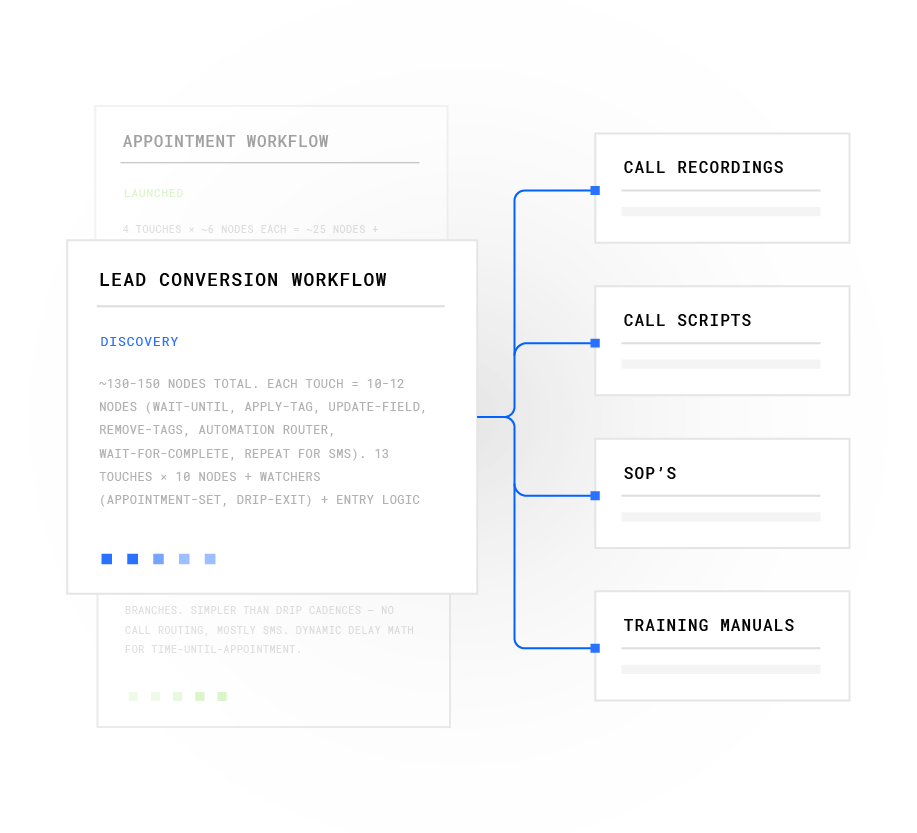
| Build no-code workflow for missed-call trigger to SMS/voice follow-up | Operations Lead | Plura no-code workflow builder | TCPA compliance consent gate before outbound | Workflow fires within 60 seconds of missed-call event |
| Implement deduplication logic to prevent repeat outreach on same caller | Developer / Ops | Stateful Conversation Database | DNC compliance suppression list check | Zero duplicate contacts per missed-call event |
| Define business-hours vs. after-hours routing branches | Operations Lead | Time-based routing rules | Quiet-hours enforcement by recipient time zone | 100% of after-hours calls routed to AI voice agent |
| Configure retry cadence (attempts, intervals, channel sequence) | Marketing Director | Workflow automation | TCPA compliance attempt-count limits | Outbound B2B sales typically require 6-12 touches and high-intent inbound leads require 8-12 touches3 |
Once workflows run reliably, you can standardize what customers actually hear and read from your brand.
Phase 4: Create Customer Communication Templates
Phase 4 defines the scripts and templates that drive response rates. These assets keep messaging consistent across SMS, voice, and RCS while aligning with consent scope.
| Task | Owner | Tool / Integration | Compliance Check | Success Metric |
|---|---|---|---|---|
| Draft transactional missed-call acknowledgment SMS (non-promotional) | Marketing Director | AI SMS platform | TCPA compliance: transactional vs. promotional distinction | Reply rates of 25-45% for missed-call text-back SMS3 |
| Build voice follow-up script with escalation guardrails | Contact Center Leader | Plura AI voice agent | SHAKEN/STIR caller ID verification on every outbound call | Script adherence rate 100% across all calls |
| Create RCS (Rich Communication Services) branded follow-up template | Marketing Director | Plura AI RCS | 10DLC campaign registration active | RCS engagement rate vs. SMS baseline |
| Define opt-out language and STOP keyword handling in all templates | Compliance Officer | Compliance engine | TCPA compliance opt-out processing within 10 business days | Zero opt-out failures logged |
With templates in place, the next step is to connect every interaction back to your CRM and shared memory.
Phase 5: Connect CRM and Stateful Memory
Phase 5 links missed-call events to customer records and shared context. This connection prevents context loss when customers move between channels or agents.
| Task | Owner | Tool / Integration | Compliance Check | Success Metric |
|---|---|---|---|---|
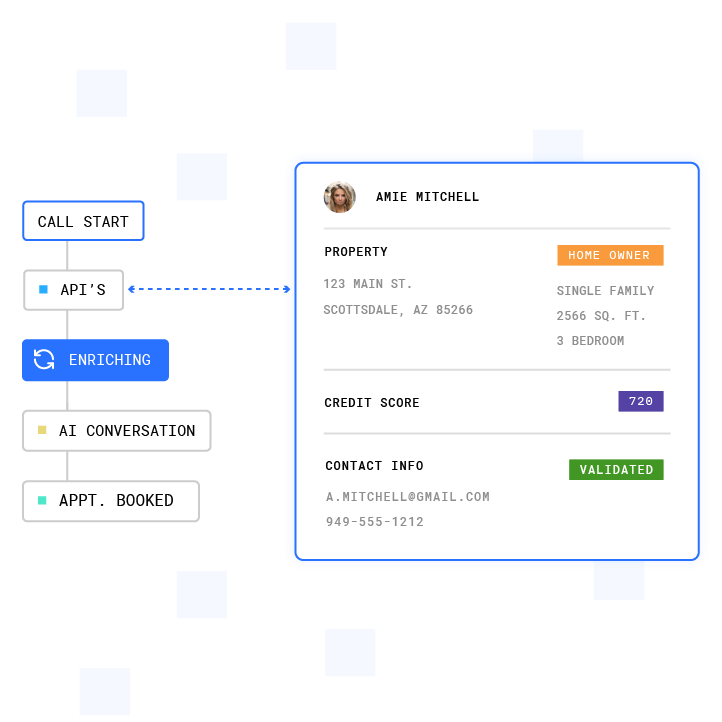
| Map CRM contact fields to Plura Stateful Conversation Database | Developer | Plura CRM integration (HubSpot, Salesforce, Zoho)4 | GDPR data-mapping documentation | Every missed-call event linked to a CRM contact record |
| Configure cross-channel memory so voice and SMS share context | Developer | Stateful Conversation Database | HIPAA field-level redaction for PHI | Customers experience consistent context across channels with unified data |
| Enable automatic CRM task creation on missed-call event | Operations Lead | CRM workflow automation | Data retention policy | 100% of missed calls logged with follow-up task |
| Validate lead enrichment from 30+ data sources fires during live conversation | Developer | Plura AI Lead Intelligence | Data source compliance review | Enrichment latency under 2 seconds per call |
Once CRM and memory stay in sync, you can define how and when human agents step into the conversation.
Phase 6: Define Agent Notification and Escalation Rules
Phase 6 controls handoffs from AI to humans. These rules protect high-value conversations, sensitive disclosures, and service recovery moments.
| Task | Owner | Tool / Integration | Compliance Check | Success Metric |
|---|---|---|---|---|
| Configure warm-transfer rules from AI agent to human agent | Contact Center Leader | Plura Unified Inbox | Call recording consent disclosure | Transfer latency under 10 seconds |
| Set escalation triggers (PHI disclosure, high-value lead, complaint) | Operations Lead | Workflow automation | HIPAA escalation routing for PHI | Zero escalation events dropped |
| Build real-time missed-call wallboard for manager visibility | Contact Center Leader | Plura business intelligence | Access control per role | Manager intervention within 5 minutes of volume spike |
| Define after-hours escalation path to on-call agent or AI coverage | Operations Lead | Plura 24/7 call answering | Quiet-hours enforcement | 100% after-hours call coverage with no voicemail drop |
With escalation paths defined, you can tune the channel mix that drives the highest recovery rate.
Phase 7: Design Multi-Channel Follow-Up Logic
Phase 7 sets the sequence and timing across SMS, voice, and RCS. This logic balances reach, customer preference, and compliance limits.
| Task | Owner | Tool / Integration | Compliance Check | Success Metric |
|---|---|---|---|---|
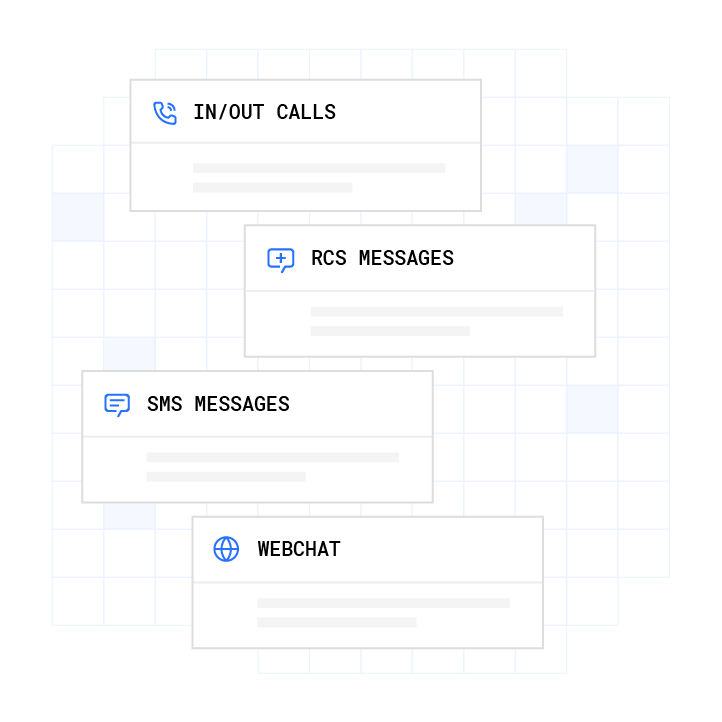
| Sequence SMS first, voice second, RCS third based on channel response | Marketing Director | Plura workflow automation | 10DLC registration active for SMS, SHAKEN/STIR for voice | SMS-first with voice fallback covers 80-90% of recipients3 |
| Configure 48-hour re-engagement window for non-responders | Operations Lead | Workflow automation | TCPA compliance attempt limits and quiet hours | Contact rate improvement vs. single-attempt baseline |
| Enable RCS branded messaging with in-message booking link | Marketing Director | Plura AI RCS | Carrier registration for RCS sender ID | RCS traffic grew 70x year-over-year in North America in 20253 |
| Log every channel attempt to Unified Inbox with outcome code | Developer | Plura Unified Inbox | Audit-ready logging for SOC 2 | 100% of attempts logged with timestamp and outcome |
Book a live demo with Plura to see the multi-channel follow-up logic in action.
Once multi-channel logic is live, you can measure performance and revenue impact in a single view.
Phase 8: Build Reporting and Analytics Dashboards
Phase 8 turns raw events into KPIs your leadership team can manage. These dashboards track recovery rate, revenue, and operational quality.
| Task | Owner | Tool / Integration | Compliance Check | Success Metric |
|---|---|---|---|---|
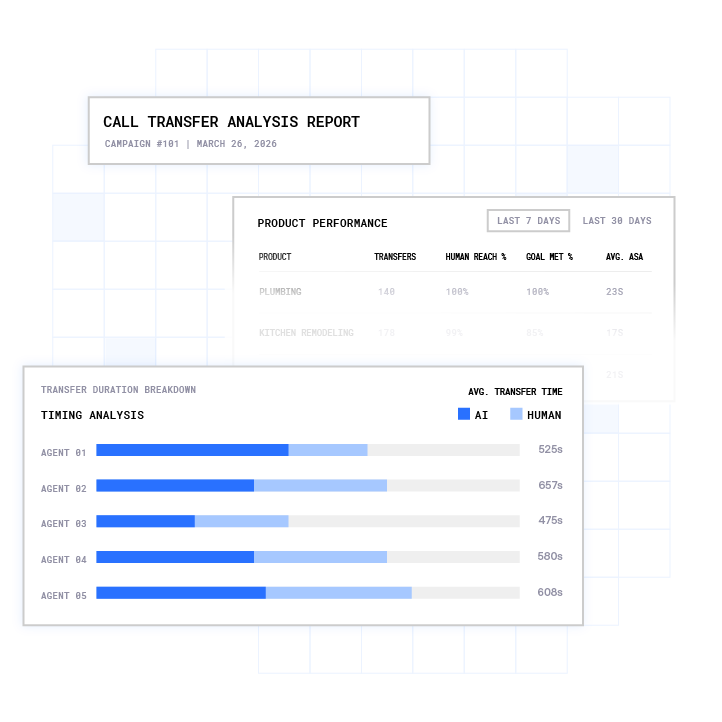
| Build missed-call recovery rate dashboard by channel and time of day | Operations Lead | Plura business intelligence | Role-based access control | Dashboard refreshes in real time |
| Configure revenue-per-recovered-call attribution | Marketing Director | CRM + analytics | Data lineage documentation | Attribution chain: missed call to booked job to closed revenue |
| Set weekly scorecard with 10 phone-performance metrics | Contact Center Leader | Analytics dashboard | Data retention policy | Abandonment rate target under 5%; speed to answer under 30 seconds |
| Enable one-click audit-ready export for compliance review | Compliance Officer | Plura compliance engine | SOC 2, HIPAA, GDPR audit requirements | Export generated in under 60 seconds |
With reporting in place, you can harden the compliance and security controls that sit underneath every message and call.
Phase 9: Configure Compliance and Security Controls
Phase 9 focuses on DNC, consent records, encryption, and quiet hours. These controls support your internal compliance program across voice and SMS.

| Task | Owner | Tool / Integration | Compliance Check | Success Metric |
|---|---|---|---|---|
| Activate real-time DNC compliance scrubbing against federal and state registries before every outbound contact | Compliance Officer | Plura compliance engine | DNC compliance: federal registry scrub every 31 days minimum | Zero outbound contacts to DNC-listed numbers |
| Configure TCPA compliance consent ledger with timestamped, immutable records | Compliance Officer | Plura compliance engine | TSR consent records must be retained for 5 years | 100% of consent records include timestamp, channel, and disclosure text |
| Enable HIPAA-aligned encryption and field-level PHI redaction1 | Security Lead | Plura compliance engine | HIPAA, SOC 2, ISO certification scope | Zero PHI exposed in transcript logs |
| Enforce quiet-hours rules via automatic time-zone detection | Operations Lead | Plura compliance engine | TCPA compliance: 8 a.m.-9 p.m. recipient time zone, state-specific overrides | Zero outbound contacts outside permitted windows |
After compliance and security controls are configured, you can safely validate the full workflow before scaling to all traffic.
Phase 10: Run End-to-End UAT and Define Rollback Plan
Phase 10 validates real-world performance and creates a safety net. These tests confirm that failover, opt-outs, and rollback work as designed.
| Task | Owner | Tool / Integration | Compliance Check | Success Metric |
|---|---|---|---|---|
| Run pilot on subset of real missed calls before full go-live | Operations Lead | All Plura channels | Consent verification on pilot contacts | Pilot recovery rate meets or exceeds SLA target |
| Simulate SIP trunk failover and validate backup carrier activates | Telephony Engineer | SIP failover configuration | 99.9% uptime SLA | Failover activates on SIP 503 response |
| Test opt-out processing across all channels (STOP, CANCEL, UNSUBSCRIBE) | Compliance Officer | Plura compliance engine | TCPA compliance opt-out within 10 business days | Opt-out suppression confirmed before next send cycle |
| Document rollback procedure and assign rollback owner | Operations Lead | Change management system | Audit trail of rollback events | Rollback executable within 30 minutes of trigger |
Once UAT and rollback are in place, you can move to full production and shift into continuous improvement.
Phase 11: Go-Live and Improve Recovery Over Time
Phase 11 brings the system into production and keeps it tuned. These activities protect performance as staffing, volume, and regulations change.
| Task | Owner | Tool / Integration | Compliance Check | Success Metric |
|---|---|---|---|---|
| Go-live on full call volume with real-time monitoring active | Operations Lead | All Plura channels + Unified Inbox | All compliance gates active | Stable recovery rate at or above SLA as agent teams change over time |
| Run weekly A/B tests on recovery scripts and callback timing | Marketing Director | Plura conversation intelligence | Consent scope unchanged across test variants | Conversion rate improvement week-over-week |
| Review failure cases weekly, then update intent mapping and routing thresholds | Operations Lead | Analytics dashboard | Audit log of workflow changes | Escalation volume decreasing month-over-month |
| Schedule quarterly UAT, failover drill, and DNC compliance list refresh | Compliance Officer | All systems | SOC 2, HIPAA, GDPR, ISO certification review cycle | Zero compliance findings per quarterly audit |
Is Missed Call Text Back Legal?
The TCPA (47 U.S.C. § 227) and related FCC rules govern automated text messages.2 Legal treatment depends on consent type, message content, and registration status. Operators should consult qualified legal counsel for guidance on their specific programs.2 The following paragraphs describe the compliance infrastructure Plura supports.
Consent type forms the first layer. A short transactional acknowledgment that the business saw the missed call is treated differently than a promotional message under TCPA guidelines, so Plura’s compliance tooling supports separate consent gates for each message type.
Registration and routing form the next layer. 10DLC campaign registration is required by all major U.S. carriers for A2P business SMS, and unregistered numbers are filtered at the network level with no error notification to the sender. Plura supports 10DLC registration as part of its SMS infrastructure.
Consent scope and evolving rules add a third layer. The FCC’s one-to-one consent rule was scheduled to become effective January 27, 2025, but was postponed by the FCC and vacated by the Eleventh Circuit before taking effect, so Plura’s consent ledger is scoped per campaign to accommodate future rule changes.2
Ongoing operations complete the picture. TCPA compliance opt-out keywords (STOP, QUIT, CANCEL, UNSUBSCRIBE, END) must be honored, so Plura’s compliance tooling processes these automatically and suppresses further outreach. DNC compliance scrubbing occurs before every outbound text, with checks against federal and state registries in real time. Quiet-hours enforcement also applies to text-back programs, and Plura supports 8 a.m.-9 p.m. recipient time zone defaults with state-specific overrides.
Recordkeeping closes the loop. Plura’s consent ledger aligns with the 5-year TSR retention requirement referenced in Phase 9, timestamping every record with channel, disclosure text, and contact details. Teams can review Plura’s AI voice agent and missed-call recovery demo to see how these controls integrate with the full workflow.
What to Text After a Missed Call?
The structure of a missed-call text affects both compliance posture and conversion. Each element below contributes to clarity, consent alignment, and response rate.
Start with clear identification. The message should state the sender name, business name, and reason for contact, and TCPA compliance requires identification of the sender in the disclosure.
Keep the first message transactional. Acknowledge the missed call, offer to help, and provide a direct response path, because mixing promotional content into a transactional thread requires full promotional consent.
Then guide the customer to a next step. Include a clear call-to-action such as reply, book, or call back, and use targeted scripts rather than generic language. Include opt-out instructions in the first message of any new program, and Plura can insert opt-out language automatically per campaign configuration.
Timing and context also matter. Send within 60 seconds of the missed-call event, since 78% of prospects choose to buy from the first responder3. Plura’s stateful memory can personalize the message with prior interaction context so the customer does not repeat themselves.
Finally, align channels with your industry. For regulated industries such as healthcare, financial services, and legal, teams can route the text through HIPAA-aligned channels with field-level PHI redaction active. Plura’s AI receptionist and missed-call recovery demo shows how these templates connect to the compliance engine and stateful database.
How to Professionally Respond to a Missed Call?
A professional missed-call response at enterprise scale relies on speed, trusted caller ID, context, and consistent logging. Carrier-grade infrastructure and stateful memory keep these elements reliable as volume grows.
Speed comes first. Teams should respond within 60 seconds via the caller’s preferred channel, because lead contact odds drop 100x and qualification odds drop 21x when a response occurs after 30 minutes versus within 5 minutes3.
Trust and recognition follow. SHAKEN/STIR caller ID verification on every outbound voice follow-up helps the call present with the business name instead of an unknown number, and 78% of consumers have missed an important call in the last month because they did not answer an unidentified call.
Context then shapes the conversation. Agents or AI should open with full context from the Stateful Conversation Database, referencing the missed call, the time, and any prior interaction history without asking the customer to repeat themselves. A documented script with explicit escalation guardrails keeps outcomes within approved ranges, and Plura’s workflow nodes can carry hard limits on negotiation floors and ceilings.
Accurate logging and compliance checks close the loop. Every attempt, outcome, and next action should log to the CRM in real time, since clean CRM logging that links every missed call to a contact record is required to track contact rate, appointment set, and recovered revenue. DNC compliance scrubbing should run before every outbound attempt, and Plura’s tooling checks in real time before each dial or send.
After-hours coverage keeps the experience consistent. For after-hours missed calls, teams can deploy a 24/7 call answering AI agent that answers on the first ring, captures intent, and routes to the appropriate queue at open of business. Plura’s AI voice agent and missed-call recovery demo shows how these elements work together in a single workflow.
1 Plura AI maintains SOC 2, HIPAA, ISO, and GDPR posture as part of its platform infrastructure. References to compliance frameworks in this article describe Plura’s platform capabilities and do not constitute a guarantee that any customer using Plura will themselves be compliant with applicable laws or standards. Customers remain solely responsible for their own regulatory obligations, certifications, consent management, recordkeeping, and the claims they make to their own end users. Consult qualified legal counsel for guidance specific to your use case.
2 This article describes regulatory frameworks at a general level and does not constitute legal advice. Laws and regulations vary by jurisdiction, change over time, and apply differently depending on facts and circumstances. Readers should consult qualified legal counsel before making compliance decisions.
3 Performance figures, customer outcomes, and industry statistics referenced in this article are drawn from cited third-party sources or Plura customer case studies. Individual results vary based on implementation, use case, industry, audience, and execution. Past or aggregate performance is not a guarantee of future results.
4 References to third-party products, services, companies, or research are made for informational and comparative purposes only. Plura AI is not affiliated with, endorsed by, or sponsored by any third party named in this article unless explicitly stated. Trademarks and product names referenced remain the property of their respective owners.
This article is provided for informational purposes only and reflects Plura AI’s understanding at the time of publication. Product capabilities, integrations, and specifications are subject to change. For the most current information, visit plura.ai.
This article was produced with the assistance of AI tools and reviewed by Plura AI prior to publication.