
Written by: Matt Beucler, CEO, Plura AI
Updated September 2026
Key Takeaways for RCS Compliance Leaders
- RCS outbound compliance in the U.S. requires dual registration with Google RBM and each major carrier, a process that typically takes 6 to 12 weeks with no shortcuts available.
- Once registered, every marketing message requires prior express written consent that is documented with timestamps, source, and exact language, and consent must be obtained separately for RCS versus SMS.
- Opt-out requests, including natural language phrases, must be honored immediately with at most one confirmation reply, and real-time processing is now the expected standard.
- SHAFT content (Sex, Hate, Alcohol, Firearms, Tobacco) plus additional restricted categories such as cannabis, gambling, and high-risk financial services are prohibited or heavily restricted under carrier rules.
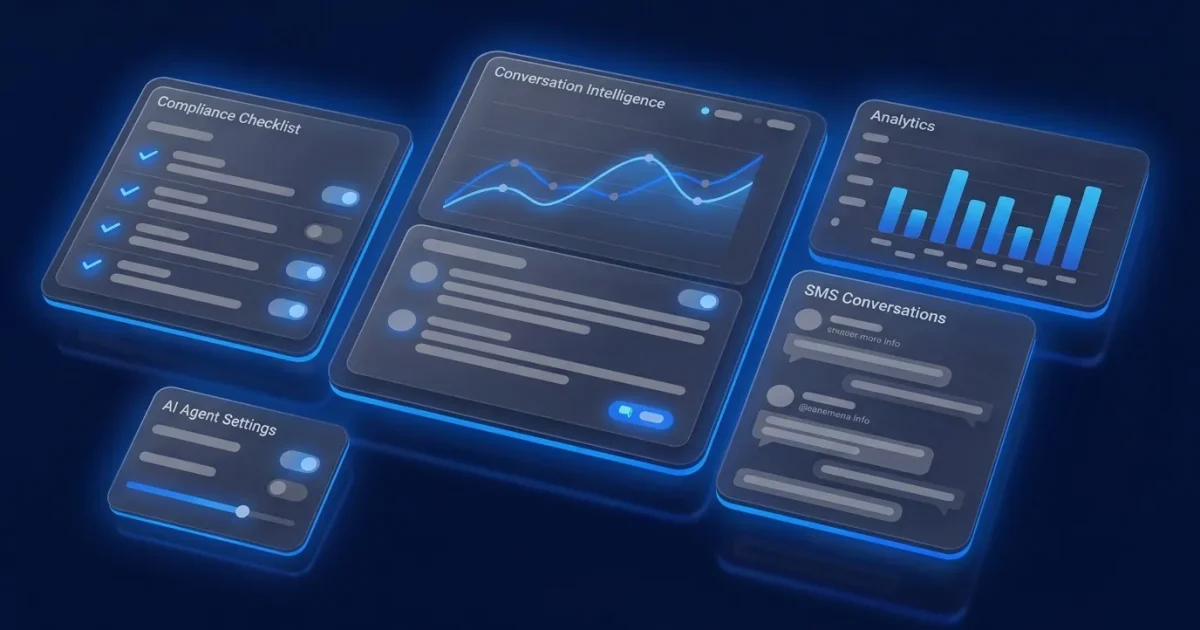
- Plura AI, an FCC-licensed carrier, embeds compliance enforcement directly into its platform.1 See how carrier-level registration and real-time consent tracking work in practice in a live demo.
RCS in 2026 and Why Compliance Comes First
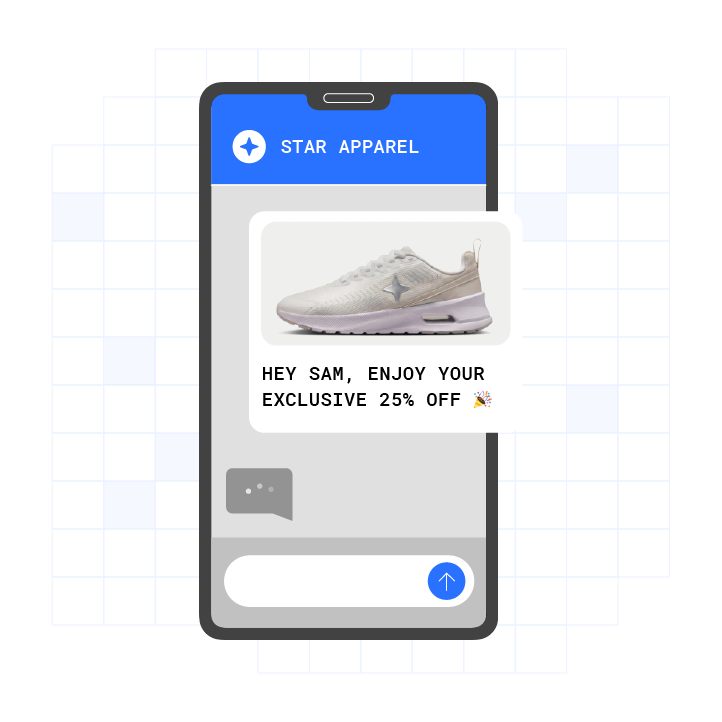
RCS (Rich Communication Services) is the next-generation messaging standard. It delivers branded sender profiles, rich media, read receipts, interactive buttons, and in-thread carousels inside the native messaging app. Google Messages now exceeds 1 billion monthly active RCS users globally, and Apple’s iOS 18 expanded RCS reach to iPhone users, making 2026 a practical inflection point for business adoption.
The compliance stakes are concrete. TCPA (Telephone Consumer Protection Act, 47 U.S.C. § 227) violations carry statutory damages of $500 to $1,500 per message, with no cap on aggregate liability.2 RCS carriers monitor block and complaint rates in real time, and a block rate above roughly 3 to 5% risks throttling or suspension. Carrier suspension and brand damage arrive quickly, so compliance needs to be designed into your program from day one.
Registration and Verification: Meeting the Dual Registration Requirement
RCS outbound requires two separate approvals. There is no shortcut.
- Google RCS Business Messaging (RBM) registration: Every business sending RCS traffic must register as a sender or agent with Google, providing legal entity details (registered business name, address, tax ID, website URL), brand assets (logo 224x224px, banner 1440x448px), and a use case declaration. Google’s review typically takes 2 to 5 business days.
- U.S. carrier verification: Each major carrier (Verizon, AT&T, T-Mobile) independently reviews business documentation4 (articles of incorporation, EIN, business license), use case with sample messages, opt-in and opt-out flow documentation, and compliance attestation. Carrier approval is per-carrier. Full U.S. coverage typically takes 6 to 12 weeks total.
Brands cannot self-register in the U.S. Registration must be filed through a Google-approved partner or carrier-level aggregator. Plura AI, as an FCC-licensed carrier, handles carrier registration and branded sender ID directly, with no third-party CPaaS wrapper and a single, consolidated approval path.
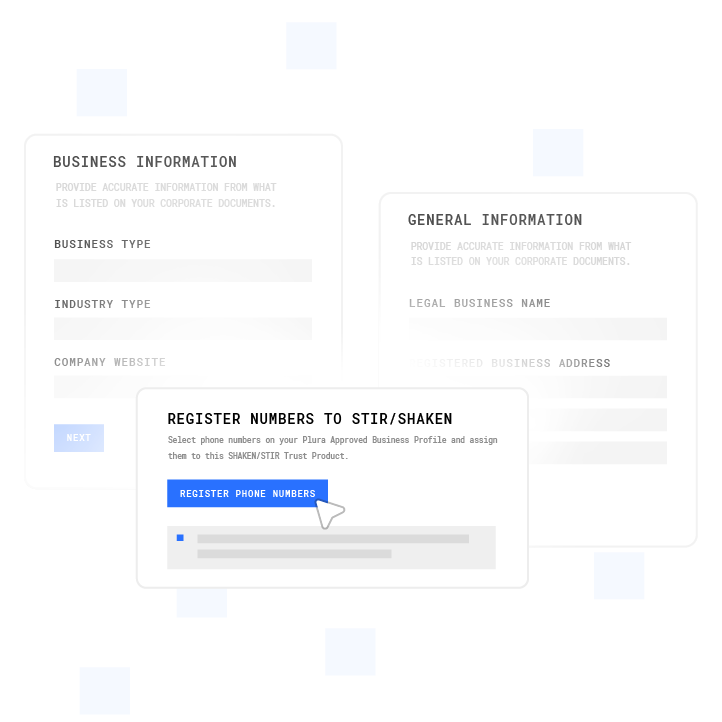
Watch a demo of the dual registration process in action to see how carrier-level RCS registration works in practice.
Once your brand is registered, the next compliance pillar is consent.
Consent Requirements: Explicit Opt-In for Every Channel
RCS marketing messages require prior express written consent (PEWC) under the TCPA, identical to SMS.2 A compliant opt-in must include the business name, a clear description of message types, expected frequency, disclosure that message and data rates may apply, opt-out instructions, and a logged record of how and when consent was given (timestamp, source, method).
Key 2026 updates to the consent framework include the following points:
- The FCC’s one-to-one consent rule was vacated by the Eleventh Circuit in January 2025. Single-brand consent remains a conservative pattern for many teams.
- As of April 11, 2025, consumers can revoke consent “in any reasonable way.” Businesses cannot force an exclusive opt-out method.
- The FCC’s “revoke-all” rule has been extended to January 31, 2027.
Consent is per channel. An SMS opt-in does not cover RCS. Records must show which channel the customer agreed to. Plura’s compliance engine tracks consent records in an immutable, timestamped ledger with audit-ready exports.
Opt-Out and HELP Handling: Responding to Every Revocation
Beyond these keywords, plain-language phrases like “please stop texting me” are per se reasonable revocation requests under FCC rules effective April 2025. To support these requests, the HELP keyword must return the program name and at least one contact method. Regardless of the method, revocations must be honored within 10 business days, though real-time processing is best practice.
Plura automates opt-out processing and quiet-hours enforcement. Every outbound contact is checked against federal and state DNC registries in real time before dial, and quiet-hours rules enforce automatically through time-zone detection across 50+ state rule sets.
Content Restrictions: SHAFT and High-Risk Categories
Additional restricted categories per carrier policy include cannabis and CBD, gambling, high-risk financial services (payday loans, debt collection, credit repair), third-party lead generation, work-from-home programs, and political content.
Transactional agents face stricter rules. Promotional content mixed with transactional messages is grounds for suspension. Plura’s platform enforces content rules and provides complete audit trails for every message sent.
Carrier rules sit alongside formal legal frameworks, which shape how teams design their programs.
Legal Frameworks: TCPA, CTIA, and Regulated Industries
Two primary frameworks govern RCS outbound compliance in the U.S. and interact with carrier policies.
- TCPA (47 U.S.C. § 227): Statutory damages of $500 to $1,500 per unsolicited call or text, with no cap.
- CTIA Messaging Principles and Best Practices: Updated October 2025, requiring opt-in language that clearly states message types, frequency, and the sending brand.
RCS Texting and HIPAA-Regulated Use Cases
RCS is not inherently HIPAA-compliant.2 Google’s RCS terms explicitly state the platform should not be used to share healthcare data or sensitive details. For covered entities, one common pattern is to send only minimal, non-sensitive notifications via RCS, such as appointment reminders or payment links, and route protected health information (PHI) to a secure, HIPAA-aligned portal. Consult qualified counsel for specific legal advice on your organization’s obligations under 45 CFR Parts 160, 162, and 164.
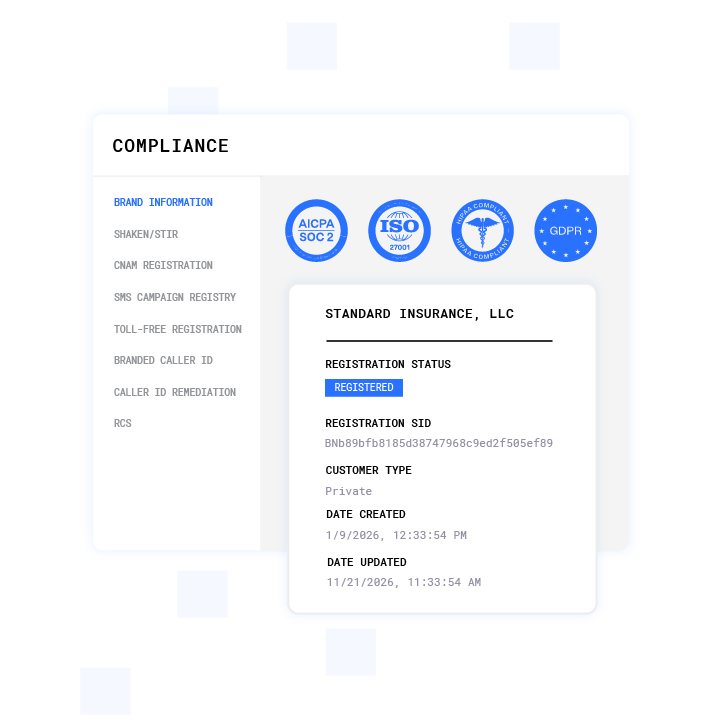
Plura supports HIPAA-aligned encryption and audit logging for covered entities, with SOC 2, HIPAA, and ISO certifications.1 For finance, RCS verification often takes 8 to 16 weeks due to heightened carrier scrutiny.
Fallback to SMS: Extending Compliance Across Channels
Roughly 15 to 25% of messages sent to U.S. Android numbers fall back to SMS due to device or network conditions.3 When RCS falls back to SMS, the message must still comply with SMS rules. The SMS leg of an RCS fallback rides a registered 10-digit number, so 10DLC brand and campaign registration is required to keep that leg deliverable.
| Compliance Requirement | RCS | SMS (10DLC) |
|---|---|---|
| Registration | Google RBM plus per-carrier approval (6 to 12 weeks) | 10DLC brand and campaign registration |
| Consent standard | Prior express written consent (marketing) | Prior express written consent (marketing) |
| Opt-out keywords | STOP, UNSUBSCRIBE, CANCEL plus natural language | STOP, UNSUBSCRIBE, CANCEL plus natural language |
| Content restrictions | SHAFT plus carrier-specific policies | SHAFT plus carrier-specific policies |
| Enforcement visibility | Real-time carrier monitoring (block rates, complaints) | Post-hoc via litigation or carrier complaints |
Checklist: Core RCS Outbound Compliance Requirements
- Register with Google RCS Business Messaging and U.S. carriers. Dual registration is mandatory. You cannot send RCS without both approvals.
- Obtain explicit opt-in consent with clear disclosure. Document the timestamp, source, and exact language of every consent event.
- Honor opt-outs immediately, including natural language. Process STOP and “please stop texting me” within 10 business days, ideally in real time.
- Avoid SHAFT and prohibited content. Sex, hate, alcohol, firearms, tobacco, cannabis, gambling, and high-risk financial services are restricted or banned.
- Maintain audit-ready records of consent and messaging. Retain records for at least five years per the FTC Telemarketing Sales Rule and be prepared to produce them on demand.
See how this checklist maps into carrier-level enforcement inside Plura in a guided demo.
How Plura Supports RCS Outbound Compliance
For teams evaluating platforms, the compliance burden often depends on whether the provider owns its carrier infrastructure. Plura AI is an FCC-licensed carrier that owns its carrier stack, which changes how registration, consent, and enforcement are handled.
Plura operates at the carrier layer, so compliance controls sit closer to the network and apply consistently across channels.
- Branded caller ID issued at the carrier level, with STIR/SHAKEN authentication on every outbound call.
- Real-time DNC scrubbing against federal and state registries before every dial, with 50+ state rule sets enforced automatically.
- Immutable consent ledger with every consent event timestamped and audit-ready, plus one-click exports for legal review.
- HIPAA-aligned encryption and audit logging for covered entities, with SOC 2, HIPAA, and ISO certifications.
- One platform for AI SMS, AI RCS, AI voice agent, and AI webchat on a single stateful conversation database, so compliance is consistent across every channel.
Compare plans and rates side by side.
Frequently Asked Questions
What are the downsides of RCS for businesses?
RCS requires dual registration (Google plus per-carrier approval) that follows the 6 to 12 week timeline mentioned earlier. Roughly 15 to 25% of messages to U.S. Android numbers fall back to SMS, requiring a separately registered 10DLC number for the fallback leg. RCS business features also have limited rendering support on some iPhone configurations. Compliance is enforced in real time by carriers, meaning agents with block rates above roughly 3 to 5% risk throttling or suspension.
How should teams handle RCS opt-out (STOP)?
Honor STOP, UNSUBSCRIBE, CANCEL, QUIT, END, REVOKE, OPT OUT, and natural language opt-outs such as “please stop texting me” within 10 business days per FCC rules, though real-time processing is best practice. Send at most one confirmation reply with no marketing content. Businesses cannot require consumers to use a specific opt-out method under FCC rules effective April 2025.
What is the difference between RCS and SMS compliance?
The consent standard, opt-out requirements, and SHAFT content restrictions are identical across both channels. The key difference is registration: RCS requires Google RBM registration plus independent per-carrier approval, while SMS uses 10DLC registration. RCS compliance is also enforced in real time by carriers through block rate and complaint monitoring, which makes violations immediately visible rather than discovered later through litigation.
What is SHAFT content?
SHAFT stands for Sex, Hate, Alcohol, Firearms, and Tobacco. These content categories are heavily restricted or prohibited under U.S. carrier rules for both SMS and RCS. Additional restricted categories that carriers commonly apply include cannabis and CBD, gambling, high-risk financial services (payday loans, debt collection, credit repair), third-party lead generation, and work-from-home programs. Sending SHAFT or prohibited content can result in agent suspension, number deactivation, and brand blacklisting across carrier networks.
Conclusion: Turning RCS Compliance into a Managed Process
RCS outbound compliance in 2026 requires dual registration, explicit consent documentation, immediate opt-out processing, SHAFT content adherence, and audit-ready records. The regulatory stack is real, and enforcement operates in real time. Plura functions as an FCC-licensed carrier with compliance enforcement built into the platform, with 0 violations on the platform’s track record across DNC and TCPA requirements.3
Compare plans and rates side by side.
Run your numbers through Plura’s ROI calculator to check projected cost savings in real time.
1 Plura AI maintains SOC 2, HIPAA, ISO, and GDPR posture as part of its platform infrastructure. References to compliance frameworks in this article describe Plura’s platform capabilities and do not constitute a guarantee that any customer using Plura will themselves be compliant with applicable laws or standards. Customers remain solely responsible for their own regulatory obligations, certifications, consent management, recordkeeping, and the claims they make to their own end users. Consult qualified legal counsel for guidance specific to your use case.
2 This article describes regulatory frameworks at a general level and does not constitute legal advice. Laws and regulations vary by jurisdiction, change over time, and apply differently depending on facts and circumstances. Readers should consult qualified legal counsel before making compliance decisions.
3 Performance figures, customer outcomes, and industry statistics referenced in this article are drawn from cited third-party sources or Plura customer case studies. Individual results vary based on implementation, use case, industry, audience, and execution. Past or aggregate performance is not a guarantee of future results.
4 References to third-party products, services, companies, or research are made for informational and comparative purposes only. Plura AI is not affiliated with, endorsed by, or sponsored by any third party named in this article unless explicitly stated. Trademarks and product names referenced remain the property of their respective owners.
This article is provided for informational purposes only and reflects Plura AI’s understanding at the time of publication. Product capabilities, integrations, and specifications are subject to change. For the most current information, visit plura.ai.
This article was produced with the assistance of AI tools and reviewed by Plura AI prior to publication.