
Written by: Matt Beucler, CEO, Plura AI
Key Takeaways
- TCPA-compliant speed to lead means contacting prospects within 5 seconds while securing prior express written consent before any automated calls or texts.
- Express written consent includes clear disclosure language, an affirmative action from the consumer, and a record of the exact opt-in details for audit defense.
- Real-time DNC scrubbing, immutable consent logging, and instant opt-out suppression help reduce exposure to $500–$1,500 per-violation fines and class actions.
- AI platforms with FCC-licensed carrier infrastructure can deliver sub-5-second responses while enforcing compliance controls at the carrier level.
- Plura AI’s built-in compliance engine and carrier infrastructure make TCPA-compliant speed-to-lead automatable at scale.
See Plura in a live demo to watch this workflow in action.
What Is TCPA-Compliant Speed to Lead?
TCPA-compliant speed to lead combines sub-5-second response times with consent verification before every automated contact. Speed to lead measures the time between a prospect’s expression of interest and your first contact, ideally under 5 seconds. TCPA compliance requires prior express consent for autodialed or prerecorded calls and texts to wireless numbers. These requirements align when you capture consent at the point of conversion and verify it before each automated call or text.
Industry research published on Plura’s calculator shows contacting a lead within 5 minutes makes them up to 100x more likely to connect, and a 60-second response lifts conversions by 391%.3 The same automation that enables that speed triggers TCPA scrutiny. 47 U.S.C. § 227 restricts autodialed calls and texts without consent, with statutory damages of $500 to $1,500 per violation and no cap on class action exposure.2 Operators winning in 2026 treat compliance as the prerequisite for speed.
Why Speed and Compliance Seem to Conflict
Sales and marketing teams feel real pressure to respond to new leads in seconds. A Velocify study of nearly 3.5 million leads found calling within 1 minute lifts conversion by 391% versus waiting longer.3 At the same time, the TCPA restricts automated calls and texts without prior express consent. TCPA violations can carry statutory damages of up to $500 per violation, or $1,500 for willful violations, and the average TCPA class action settlement cost $6.6 million in 2023, according to Insurance Business.3
The real conflict sits between speed and unconsented contact. When your systems capture consent at the point of conversion, document it immutably, and verify it before every dial, speed and compliance work together. Operators who treat consent as a speed enabler respond in seconds while managing legal risk.
This section describes the regulatory framework neutrally. Consult qualified counsel for guidance specific to your operation.
TCPA Consent Requirements for Calls and Texts
Express written consent is the standard for autodialed calls and SMS marketing texts. Under 47 C.F.R. § 64.1200(f)(9), prior express written consent requires:2
- A clear and conspicuous disclosure that the consumer authorizes calls or texts using an automatic telephone dialing system or artificial or prerecorded voice
- An affirmative action by the consumer, such as checking an unchecked box, clicking a button, or texting a keyword
- The specific telephone number authorized for contact
- A statement that consent is not a condition of purchase
Implied consent may apply in limited situations. A consumer providing their number in a transaction context can imply consent for transactional messages related to that transaction. Implied consent does not extend to marketing content. Any message with a promotional element requires prior express written consent.
This consent standard applies to AI-generated voices as well. The FCC’s February 2024 declaratory ruling confirmed that AI-generated voices qualify as “artificial voices” under the TCPA, which places them in the same consent category as prerecorded calls. Consult qualified counsel to understand how these rules apply to your specific campaigns.
How to Document Consent for Audit
A defensible consent record captures five fields at the moment of opt-in:
| Field | Example |
|---|---|
| Timestamp | 2026-09-05 14:32:07 EST |
| Source | Web form at plura.ai/quote |
| Disclosure language | “By providing your number and checking this box, you agree to receive autodialed marketing calls and texts from [Company] at the number provided. Consent is not a condition of purchase. Reply STOP to cancel.” |
| Affirmative action | Unchecked checkbox clicked by user; IP address 192.168.1.1 |
| Authorized number | (555) 123-4567 |
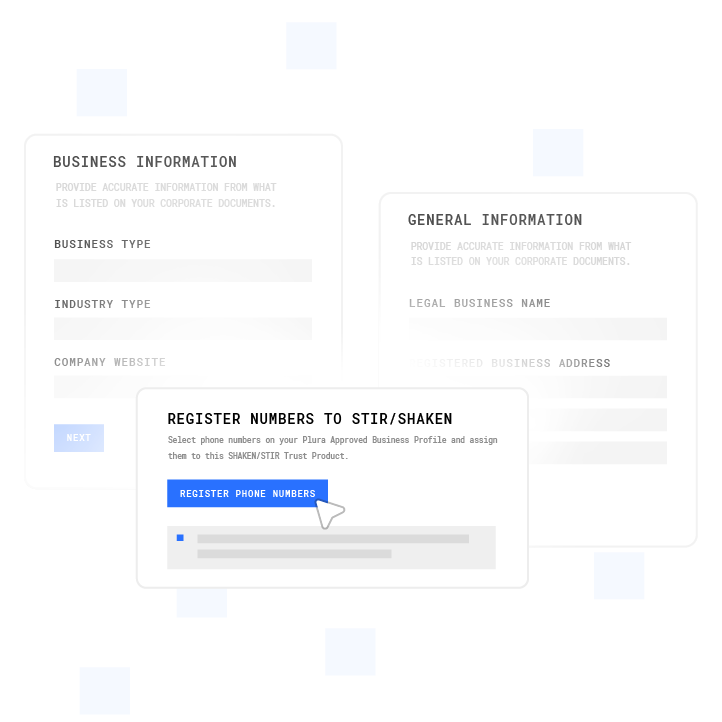
TCPA lawsuits can be filed up to four years after the alleged violation under 28 U.S.C. § 1658, which means consent records need retention well beyond the last contact date. Plura’s compliance engine logs consent with timestamps, stores records immutably, and provides one-click audit exports for legal review or regulatory inquiry.
 1
1See consent logging in a live Plura demo to review how these records appear in practice.
Channel-Specific TCPA and Messaging Rules
Each channel carries different consent and disclosure expectations, and misalignment often drives complaints and litigation:
- Voice calls: Autodialed or prerecorded calls to wireless numbers require prior express consent. The FCC’s February 2024 ruling confirms AI-generated voices trigger the same requirement. Manually dialed calls by a live human fall outside the ATDS restriction at the federal level but still face DNC and state law obligations.
- SMS: Marketing texts require prior express written consent, which is the highest consent standard. Text messages are treated as “calls” under the TCPA. 10DLC registration is a parallel requirement. Unregistered business texting often gets carrier-blocked regardless of consent documentation.
- Email: Email is governed by CAN-SPAM (15 U.S.C. § 7701), not the TCPA. CAN-SPAM uses an opt-out model. Prior consent is not required, but working unsubscribe mechanisms and honest headers are mandatory.
State laws stack on top of federal rules. Florida’s Telephone Solicitation Act applies a broader ATDS definition than the post-Duguid federal standard and allows private suits at $500–$1,500 per violation. At least 40 states have telemarketing statutes stricter than federal law. Consult counsel on the rules applicable to your campaigns.
How to Build a TCPA-Compliant Speed-to-Lead Workflow
- Capture consent at the point of conversion. Every web form, click-to-call, and keyword opt-in should include clear disclosure language, an unchecked consent checkbox, and a record of the exact language shown.
- Verify consent and scrub DNC lists in real time. Before any automated contact, check the number against federal and state DNC registries, your internal opt-out list, and the Reassigned Numbers Database. This verification makes the next step safe to automate.
- Route the lead to an automated response system. Once consent is verified, the system should trigger within seconds of conversion. Do not wait for a human to reach the queue.
- For voice, deploy an AI agent that answers or dials immediately. Calls should originate with branded caller ID and STIR/SHAKEN authentication so carriers and devices are less likely to flag them as spam.
- For SMS, send a compliant first message within seconds. The message should identify your brand, reference the consent obtained, and include opt-out instructions.
- Log every interaction and consent record. Maintain timestamped, immutable, audit-ready records for every call, text, and consent event.
- Handle opt-outs immediately. Honor STOP, QUIT, CANCEL, UNSUBSCRIBE, and END requests instantly and suppress future contact across all channels.
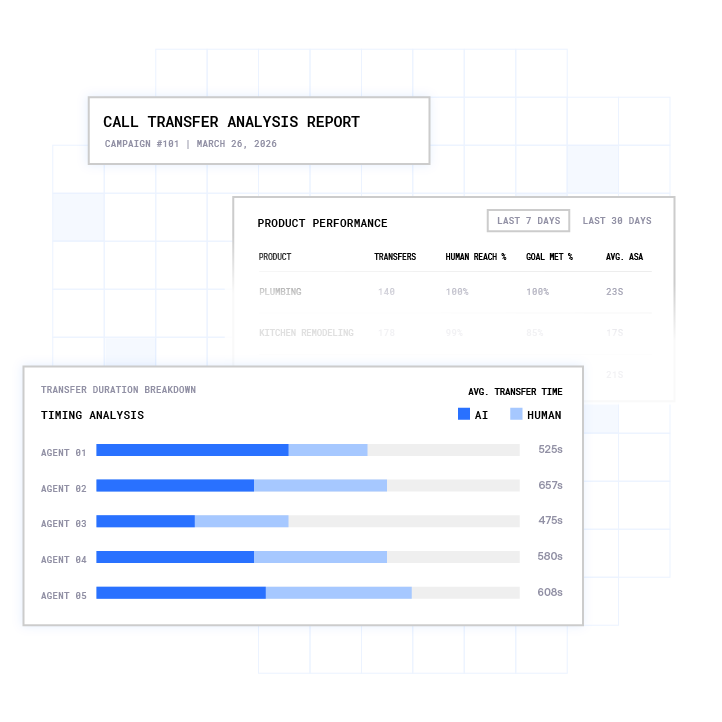
Plura’s AI Predictive Dialer, AI SMS, and compliance engine automate steps 2 through 7. Real-time DNC scrubbing, immutable consent logging, and automated quiet-hours enforcement operate inside the platform.
Handling Opt-Outs and DNC Lists in Real Time
Real-time opt-out handling and DNC scrubbing reduce the risk of repeat violations. FCC rules effective April 2025 require businesses to honor revocation requests made through any reasonable means within 10 business days. The seven per se revocation words, STOP, QUIT, END, REVOKE, OPT OUT, CANCEL, and UNSUBSCRIBE, should trigger immediate suppression when received by text.
Real-time DNC scrubbing means checking every number against federal and state registries before each contact, not on a 31-day batch cycle. Nearly 100,000 U.S. phone numbers are reassigned daily, and calling a reassigned number after the prior owner’s consent has lapsed can create exposure. Plura’s compliance engine enforces real-time DNC scrubbing, automated quiet hours through time-zone detection, and instant opt-out suppression across voice and SMS.
Tools and Platforms That Automate Compliance at Scale
To execute the workflow above at scale, you need infrastructure that can enforce compliance in real time. Three approaches exist for high-volume lead response:
Manual follow-up. Humans dial from a queue and respond as they become available. The average B2B response time is 42–47 hours, and compliance depends on individual reps remembering DNC rules. This approach rarely supports sub-5-minute response at scale.
Legacy dialers. Traditional predictive dialers route through third-party carriers. They dial from lists but often lack real-time consent verification, branded caller ID at the carrier level, and immutable consent logging. Compliance controls typically sit outside the dialer and run after the fact.
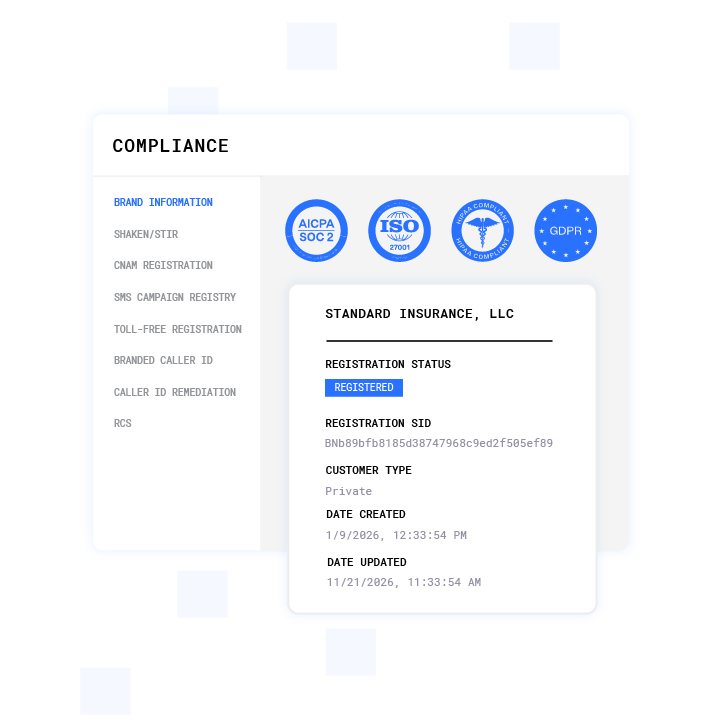
AI platforms with carrier infrastructure. Plura AI operates as an FCC-licensed carrier, not a wrapper on top of a third-party CPaaS (Communications Platform as a Service). That distinction matters. Plura issues branded caller ID at the carrier level and runs STIR/SHAKEN authentication on every outbound call. It also enforces real-time DNC scrubbing and consent verification inside the platform before each contact. The compliance engine functions as a first-class layer of the platform.
Watch carrier-level controls in a Plura demo to see how this infrastructure behaves in a live environment.
Frequently Asked Questions
What are the opt-in requirements for TCPA compliance?
Prior express written consent includes a clear and conspicuous disclosure, an affirmative action from the consumer, the specific seller named in the consent language, the authorized phone number, and a statement that consent is not a condition of purchase. Pre-checked boxes and buried terms do not qualify. The consent record should capture the timestamp, source URL, exact disclosure language shown, the consumer’s affirmative action, and the IP address where the opt-in occurred. Consult qualified counsel to confirm your specific opt-in flows meet current FCC and state requirements.
Does TCPA apply to manually dialed calls?
Under the post-Duguid federal standard established in Facebook, Inc. v. Duguid (2021), a system must use a random or sequential number generator to qualify as an automatic telephone dialing system (ATDS). Manually dialed calls by a live human generally fall outside the ATDS restriction at the federal level. Prerecorded messages do not fall outside it, even when a human initiates the call. State laws like Florida’s Telephone Solicitation Act use broader definitions of automated dialing systems, which can capture systems that federal law would not. DNC obligations and state-specific rules still apply to manually dialed calls. Consult qualified counsel for guidance on your specific dialing infrastructure and target states.
What is a 5-second callback?
A 5-second callback triggers an outbound response within 5 seconds of a lead submitting a form or requesting a quote. Industry research shows leads contacted within 5 minutes are up to 100x more likely to connect than leads contacted at 30 minutes, and a 60-second response lifts conversions by 391%. Sub-5-second response requires full automation. A human queue cannot achieve that consistency. The automation that enables 5-second callbacks also triggers TCPA scrutiny, which is why consent must be captured and verified before the first automated contact fires.
How do I handle opt-outs in real time?
Honor STOP, QUIT, CANCEL, UNSUBSCRIBE, END, REVOKE, and OPT OUT immediately when received by text. FCC rules require honoring revocation through any reasonable means within 10 business days, and many operators treat instant suppression as the operational standard. Log every opt-out with a timestamp and suppress future contact across all channels, not just the channel where the opt-out was received. Maintain an internal do-not-contact list that is checked before every outbound attempt, separate from your DNC registry scrub. Consult qualified counsel on your specific revocation handling obligations.
How does 10DLC affect SMS speed to lead?
10DLC (10-Digit Long Code) registration is a common requirement for automated business texting in the U.S. Unregistered numbers often get carrier-blocked regardless of how clean your consent documentation is. Registration involves brand verification and campaign approval through The Campaign Registry, and the opt-in flow you submit must include required disclosures and a compliant consent proof. Brand verification typically takes 1–3 business days. Campaign approval often takes 1–7 days after that. 10DLC registration and TCPA consent compliance operate as parallel requirements. Both should be in place before the first automated SMS fires in a speed-to-lead workflow.
Conclusion and Next Steps
TCPA-compliant speed to lead functions as a repeatable system. Capture consent at the point of conversion with clear disclosure. Document it immutably. Verify it against DNC lists in real time before every contact. Respond in seconds with channel-appropriate automation. Honor opt-outs instantly. This consent-first framework helps high-volume operators compete on speed while managing litigation risk.
Three practical next steps:
- Audit your current consent capture. Confirm that web forms capture express written consent with clear disclosure and an affirmative action. Confirm that you can produce a timestamped consent record for every lead you contact.
- Implement real-time DNC scrubbing. Replace 31-day batch scrubbing with checks that run before each outbound attempt.
- Evaluate an AI platform that supports compliance at the carrier level. Plura’s FCC-licensed carrier infrastructure, real-time DNC scrubbing, immutable consent logging, and automated quiet-hours enforcement make compliant speed-to-lead automatable at scale.
Compare plans and rates side by side. Run your numbers through Plura’s ROI calculator to see the impact of sub-5-second response on your pipeline.
Explore a live Plura demo to see the compliance engine, AI Predictive Dialer, and AI SMS working together in a single environment.
1 Plura AI maintains SOC 2, HIPAA, ISO, and GDPR posture as part of its platform infrastructure. References to compliance frameworks in this article describe Plura’s platform capabilities and do not constitute a guarantee that any customer using Plura will themselves be compliant with applicable laws or standards. Customers remain solely responsible for their own regulatory obligations, certifications, consent management, recordkeeping, and the claims they make to their own end users. Consult qualified legal counsel for guidance specific to your use case.
2 This article describes regulatory frameworks at a general level and does not constitute legal advice. Laws and regulations vary by jurisdiction, change over time, and apply differently depending on facts and circumstances. Readers should consult qualified legal counsel before making compliance decisions.
3 Performance figures, customer outcomes, and industry statistics referenced in this article are drawn from cited third-party sources or Plura customer case studies. Individual results vary based on implementation, use case, industry, audience, and execution. Past or aggregate performance is not a guarantee of future results.
4 References to third-party products, services, companies, or research are made for informational and comparative purposes only. Plura AI is not affiliated with, endorsed by, or sponsored by any third party named in this article unless explicitly stated. Trademarks and product names referenced remain the property of their respective owners.
This article is provided for informational purposes only and reflects Plura AI’s understanding at the time of publication. Product capabilities, integrations, and specifications are subject to change. For the most current information, visit plura.ai.
This article was produced with the assistance of AI tools and reviewed by Plura AI prior to publication.