AI RCS Messaging With Rich Media, Carousels, and Instant Actions
Rich, interactive messaging that captures intent and drives smarter business decisions
Why AI RCS
6 reasons teams choose AI RCS
Rich Media Messaging
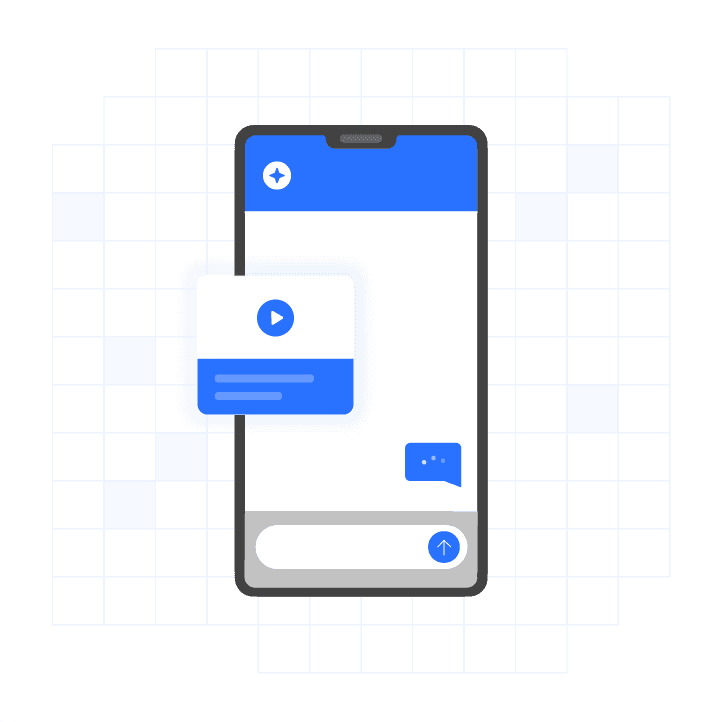
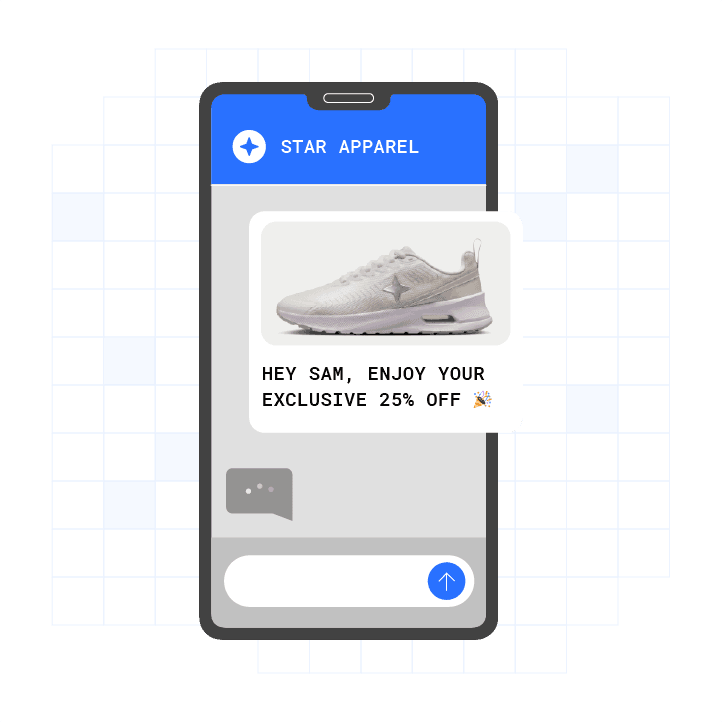
Send high resolution images, videos, carousels, and interactive buttons directly in the native messaging app. No app download required.
Interactive Action Buttons
Let prospects book appointments, confirm details, or request callbacks with a single tap. Reduce friction and increase conversion on every message.
Branded Business Profiles
Your business name, logo, and verified badge appear on every message. Build trust before the conversation even starts.
AI Powered Conversations
The same conversational AI that powers SMS and Voice now works in the richest messaging format available. Context aware, personalized, and always on.
Carousel Product Showcases
Display multiple products, plans, or options in swipeable carousel cards. Each card can have its own image, description, and action button.
Unified Thread History
RCS conversations sync with Voice and SMS threads in the Unified Inbox. Your team sees the complete customer journey across every channel.
How It Works
Live in minutes, not months
Register Your Business
Verify your brand with Google RCS Business Messaging. Plura handles the registration, verification, and agent provisioning process.
Design Your Rich Templates
Build interactive message templates with carousels, buttons, and media. The AI personalizes each send based on lead data and conversation context.
Launch Rich Campaigns
Deploy AI powered RCS campaigns that fall back to SMS automatically when RCS is unavailable. Every lead gets the best possible experience.

Use Cases
Built for teams that need results, not another tool
Insurance
Instant quote follow ups, policy renewal reminders, and claims status updates.
Learn moreHealthcare
Appointment confirmations, patient intake, and prescription reminders at scale.
Learn moreFinancial Services
Account alerts, loan follow ups, and appointment scheduling for advisors.
Learn moreReal Estate
Property inquiry follow up, open house invites, and showing confirmations.
Learn moreLegal
Case intake qualification, consultation scheduling, and retainer follow ups.
Learn moreE-Commerce
Abandoned cart recovery, order updates, and loyalty re-engagement campaigns.
Learn moreAutomotive
Lead response, test drive bookings, service reminders, and trade in re-engagement.
Learn more