

Introduction
According to the 2024 Mental Health report by Medscape, 47% of Doctors say they’ve experienced burnout. This trickles down to other healthcare professionals who have similar complaints. And you know why that’s happening? Patient demand is on the rise, the emergency care unit is filling up faster than your staffing can handle, and the supply of healthcare workers is not keeping pace. This results in increased waiting times, a high administrative burden, inconsistent healthcare delivery, unmonitored care, and poor health outcomes for your patients. To solve these problems, introduce AI chatbots. They automate repetitive, high-volume tasks such as appointment scheduling, symptom intake, routine questions, and medication reminders while your employees focus on patient care. In this article, we'll explain how these AI chatbots work and best practices for implementing them into your healthcare facility's workflow.
What Are AI Chatbots in Healthcare?
AI chatbots in healthcare are smart tools that use a combination of Natural Language Processing (NLP) and Machine Learning (ML) to understand and communicate with patients. This enables these bots to automate patient support, assist with appointments and scheduling, boost response times, and reduce in-person queues.
Why Is Healthcare Rapidly Adopting AI Chatbots?
In 2025, the global market value of healthcare chatbots rose to $1.49 billion. That signals fast adoption. Here’s why:
Rising Patient Volumes With Limited Staff
A 2024 Moody’s report cited by HFMA shows a 40% surge in emergency department volumes in healthcare since 2020. Outpatient visits are at record highs due to presentations by the elderly suffering from chronic diseases. The irony? While patient demand is growing, there’s a shortage of healthcare workers. This results in under-delivered health services.
Need For Faster Patient Responses
Approximately 71% of voters in England want guaranteed access to a general practitioner or family Doctor within 24 hours. Some want access within a few hours, and some can barely wait half an hour. However, health workers are already stretched thin, handling multiple patients at once, compared to the global standard. This results in delayed responses.
Demand For 24-Hour Patient Support
Healthcare workers take turns through 24 hours to ensure constant availability. But even that privilege is gradually creaking out. According to NCSBN, over 100,000 Nurses left the industry due to burnout. That shortage gap reduces the number of workers who can cover night shifts or extended hours.
High Appointment No-Show Rates
According to a 2025 MGMA poll, 27% of medical groups reported an increase in their no-show rate. One of the leading reasons this happens is a lack of proper follow-ups. Patients forget they have an upcoming appointment, and by the time they know, it’s already too late. Missed appointments cost your facility and put patients at risk of poor care.
Growing Use Of Digital And Virtual Care
In a conservative estimate, a national survey in Australia found that about 9.9% of adults, or 1.9 million, used ChatGPT to find health-related answers over a six-month period. About 31% of AI users in the US say they find health-related AI answers reliable. This public shift signals patients' growing willingness to explore faster communication channels, even if the responder is an AI.
Key Benefits of AI-Powered Chatbots in Healthcare
Now you know there are so many problems to address in the healthcare industry. Here's how AI-powered chatbots can resolve them all:
1. Faster Communication
AI-powered chatbots can seamlessly handle routine health queries and enquiries. This means fewer emergency room visits and less need for patients to physically commute to the health facility. Plura AI makes this process more efficient by integrating with your facility’s knowledge base and previous patients’ history to provide accurate answers. The result? 35% increase in connect time. Discover how it does that with our team today.
2. Reduced Front Desk Workload
Not every patient call-in or physical attendance is a code blue. Some are just simple questions about how many tablets of a drug to take in the morning, when to eat after taking Vitamin C, and why the cough persists. AI chatbots can provide valuable answers to these questions, reduce the need for patients to call or even check in, or reroute to human agents when necessary.
3. 24/7 Multilingual Support
A workforce shortage has reduced the number of available workers, making 24/7 care unrealistic in many regions. An AI chatbot in healthcare fills this gap by helping you deliver round-the-clock support without hiring an extra hand. In addition, these bots can be multilingual or omnilingual. This eliminates language barriers, which might hinder healthcare delivery.
4. Reduced Appointment No-shows
No-shows cost you the expected income and leave patients undermanaged. AI chatbots prevent this by helping patients set calendar reminders and alerts before each appointment. Patients who are unable to meet their upcoming appointments can easily reschedule with a click.
5. Lower Operational Costs
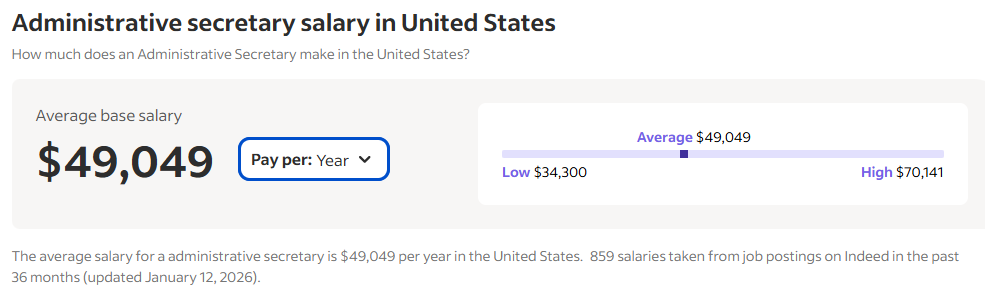
Hiring a medical or administrative secretary in the US costs an average of $49,049 annually, as of January 2026, according to Indeed. Depending on your patient volume, you might need more than a couple of secretaries to hold the front desk. These expenses do not necessarily translate into profitability. And that’s why AI chatbots are essential. They do not replace human creativity, but they can help you reduce the need to hire more support by handling repetitive queries and call-ins.
6. Improved Drug Adherence
With appropriate consent in place, AI chatbots can proactively send medication reminders via other integrated systems, such as SMS and Voice calls. They can also check in after missed doses, inform the Physician of underuse, or assist with refills via fillable online forms.
Smarter conversations drive real results
Get a demoMost Common Use Cases of AI Healthcare Chatbots
Planning to onboard an AI-powered chatbot to streamline your healthcare delivery and patient experience? Let’s talk about some of the best ways you can use it.
1. Appointment Booking and Rescheduling
Traditionally, you needed to walk into a brick-and-mortar health facility to book an appointment. That’s changing. AI healthcare chatbots can now help patients book appointments, reschedule, cancel visits, confirm availability, and even set up reminders. From anywhere on a mobile device.
2. Visit and Medication Reminders
As many as 75% adults fail to adhere to their medications. And you know why? Most of them forget to, or their bottles are empty already. The same thing applies to appointment no-shows. But AI chatbots flip the narrative. With a fully functional assistant like Plura AI in place, you can automate patient request refills, send usage and visit reminders, and enhance adherence.
3. Patient Triaging and Post-visit Follow-ups
Telehealth popularity is surging, and AI chatbots are at the forefront of this trend. These bots can conduct preliminary consultations with patients to gather data on their conditions and severity, direct them to virtual doctors, or provide care-aligned medical advice. This reduces unnecessary emergency room visits. After each clinic visit, Plura AI can also follow up with your patients to ensure medication adherence and proper management.
4. Feedback and Care Delivery Assessment
In a now-deleted post that has garnered over 14,000 upvotes on Reddit, this patient subtly expressed frustration at being delayed in the hospital for hours. Most of these complaints go unnoticed by the facility, making it difficult to implement changes that address patients’ pain points.

However, that’s now obsolete. AI chatbots can assist with collecting patient feedback while assessing care delivery. You know what’s wrong and can address it promptly.
5. Patient Education
In a survey conducted by Haponline among US adults, 8 in 10 say they are likely to use AI to checktheir health symptoms and conditions. The only downside is that these public LLMs do not have access to patients’ past health history. That means answers provided are fragmented and non-personalized. AI-powered chatbots can now address issues by integrating with electronic health systems (EHS). And depending on how much you allow, they can also pull up data on patients’ health, while following HIPAA compliance checklists tightly. This enables the delivery of accurate answers to patients when they search for health-related questions.
Best Practices for Implementing AI Chatbots in Healthcare
Integrating AI into your health system without disrupting effective workflows is not rocket science. Here’s how:
Prioritize Patient Data Privacy
There are regulations such as the HIPAA (Health Insurance Portability and Accountability Act), which mandate privacy protections for patients’ data. A breach can result in fines of up to $25,000 per category. To avoid that, know the regulations guiding healthcare delivery in your service regions and implement them. Collect data only with patient consent, disclose AI involvement, and retain data only for as long as permitted in your region of operation.
Start With Simple, High-Volume Tasks
You don’t need to overhaul all your repetitive tasks right from the start. Begin with simple patient education, and gradually allow your AI chatbot to handle appointments and booking, triage, and create reminders. This gives you enough time to iron out blockers and allows both your workers and patients to adapt.
Maintain Clear Human Handoff Paths
Train your AI chatbot to handle simple repetitive tasks and know when to hand off to human professionals. Some advanced assistants, like Plura’s AI chatbot, can automatically route conversations without lag to your team and let them take over complex conversations. Test the handoffs in-house before fully deploying the bot into your system.
Monitor Performance and Outcomes
Track metrics such as wait time, time to healthcare delivery, patient satisfaction, readmission rate, and backlog. Each one can help measure how much AI is doing the heavy lifting in your healthcare workflow and whether the integration is worth it. Plura’s AI chatbot includes built-in analytics, so you don’t need to worry about using a third-party tool or building a frankenstack.
Conclusion
An AI chatbot in healthcare is becoming indispensable for better healthcare delivery. You can use these bots to automate patient education, medication adherence, visit reminders, appointment booking, patient triage, and feedback collection. For efficient integration, prioritize patients’ data privacy, start with simple, high-volume tasks before moving on to complex ones, maintain clear human handoffs, and monitor performance. Need a superpowered AI chatbot that can help you scale your patient experience and improve healthcare delivery? Book a demo to see Plura in action.
No spam. Just the latest releases and tips, interesting articles, and exclusive interviews in your inbox every week.